Leave Your Message

What Types of Physics Lab Furniture Are Available?

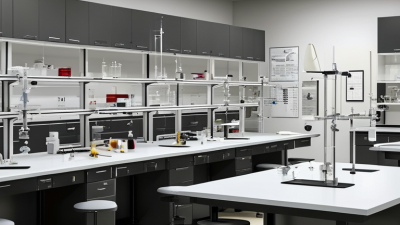
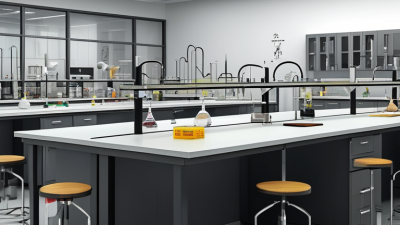
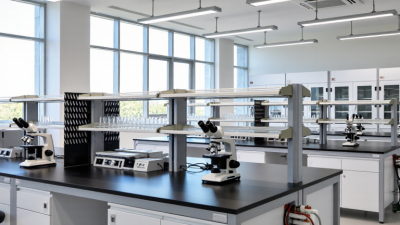
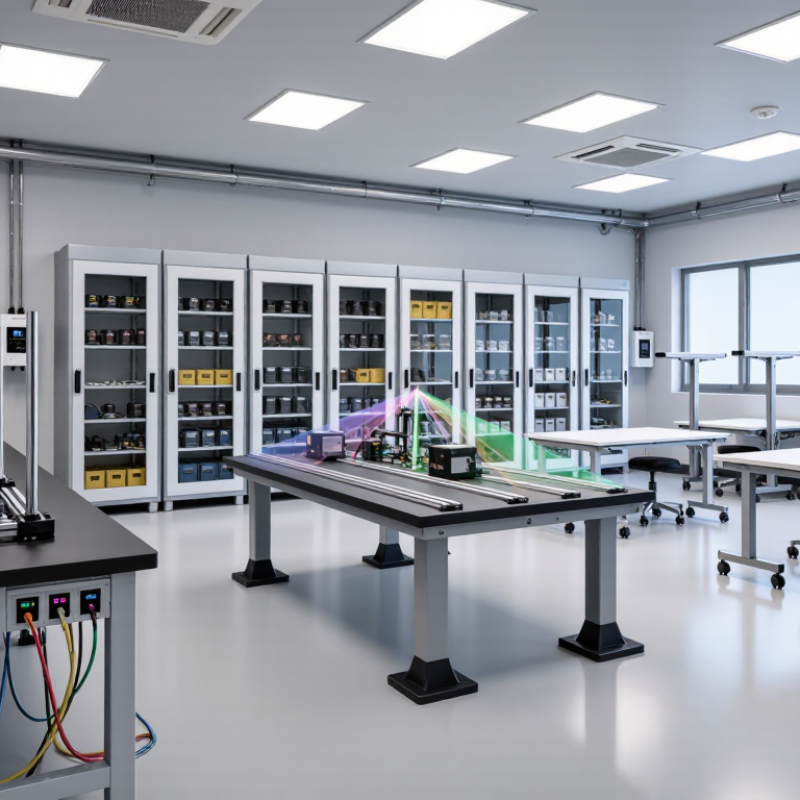
Physics Lab Furniture is more than a set of benches. It determines where students position sensors, route cables, and compare results. A sturdy workbench suits mechanics experiments, while optical tables help reduce vibration during light-based measurements. Mobile desks support changing group layouts. Storage cabinets keep lenses, meters, and small components organized between classes. The right choice depends on the experiment, room dimensions, utilities, and how often the space must be reconfigured.

The scale of academic research offers useful context, though it does not measure furniture demand. The National Science Foundation’s Higher Education Research and Development Survey reported $108.8 billion in U.S. academic R&D expenditures for fiscal year 2023. That figure reflects research activity, not classroom budgets or furniture sales. Still, it underscores why laboratories need durable, adaptable work areas. A physics room may need fixed benches for heavy equipment, height-adjustable stations for varied tasks, and clear routes around power supplies. Small details matter. Cable access can be awkward. Storage can also be underestimated. These choices deserve attention before installation, not after the first class discovers a crowded aisle. This guide introduces the main types of Physics Lab Furniture and explains where each can fit. The best setup is rarely one-size-fits-all; local teaching needs should guide the final plan.
What Types of Physics Lab Furniture Are Available?

Physics Laboratory Benches and Work Surfaces

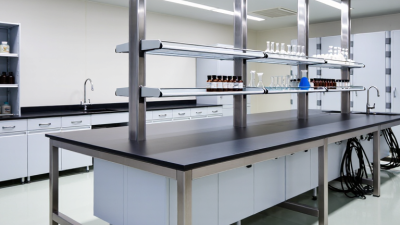
Physics laboratory benches and work surfaces need to support more than notebooks and glassware. A typical bench may hold oscilloscopes, power supplies, optical rails, and small mechanical assemblies. Its frame should suit the equipment’s weight, while the top should remain stable during measurements. Check the stated load capacity rather than judging strength by appearance. Vibration travels. Sensitive experiments may need a dedicated vibration-isolation table, not an ordinary workbench.

Surface materials affect daily work. Phenolic resin and other durable laminates are common choices for general-purpose benches because they tolerate routine wear and are easy to clean. Stainless steel can be useful where a smooth, nonporous surface is preferred, while wood tops may suit assembly tasks that benefit from a less rigid feel. No surface is ideal for every setup. Confirm chemical compatibility and cleaning guidance before selecting a finish.

Plan enough clear space for instruments, cables, and hands-on adjustments. A bench that fits a room can still feel cramped once an experiment is assembled. Raised shelves may free the worktop, but they can block light or restrict access to equipment. Cable openings and power access help keep leads organized, though their placement deserves careful thought. Measure the actual apparatus, not just its footprint on a sketch. Even then, the final layout may need revision.
Storage Cabinets, Shelving, and Equipment Carts

Physics labs need furniture that protects delicate instruments while keeping everyday tools easy to reach. Storage cabinets with adjustable shelves can separate heavy meters from lighter accessories, cables, and lenses. Clear labels help users return equipment to the right place. For sensitive devices, padded drawers or enclosed cabinets can reduce dust and accidental knocks. Heavy items belong on lower shelves, where they are easier to lift safely.

Open shelving makes frequently used equipment visible, which can save time during practical sessions. Choose sturdy shelves with enough depth for instrument cases, but avoid packing them tightly. A visible item is not automatically an accessible one. Leave room to grip cases and route cables without snagging them. Shelving should also allow staff to check for clutter or misplaced equipment at a glance.

Equipment carts are useful when apparatus must move between benches or rooms. Locking wheels help keep a cart still during setup, while raised edges can limit small items sliding off. A cart with separate tiers can carry power supplies, leads, and measuring tools without mixing them together. Check doorways, turns, and floor transitions before choosing its size. A cart that looks compact on paper may still feel awkward in a busy lab. This detail is easy to miss. Research equipment also changes over time, so flexible storage often proves more useful than a perfect-looking fixed layout.

Seating and Adjustable Workstations

Physics lab seating should support careful work without restricting movement. Height-adjustable stools can help students align their eyes with a microscope or reach a bench comfortably. A foot ring gives shorter users a place to rest their feet. Backrests may suit longer data-analysis sessions, while backless stools take up less space near shared benches. Comfort matters.

Choose stable seating that can be cleaned easily and is suited to the lab’s activities. Casters can help users move between stations, but they may be awkward on uneven floors or around sensitive equipment. Check the floor and bench layout before selecting them. Small details matter.

Adjustable workstations can accommodate different users and tasks, from seated measurements to standing demonstrations. Look for secure height controls, a steady frame, and a work surface rated for the equipment it will carry. Leveling feet can reduce rocking on uneven floors. Confirm that surface materials suit the chemicals and cleaning methods used in the lab. Check the details.

It may be tempting to make every station adjustable, but extra mechanisms need maintenance and can complicate setup. A mix of fixed and adjustable benches may work better for some rooms. The right choice depends on who uses the space, what experiments take place, and how often equipment moves.

Specialized Furniture for Optical and Electrical Experiments

Optical experiments need furniture that stays still. A rigid optical table with a honeycomb core helps limit vibration, while tapped mounting holes let researchers position rails, mirrors, and lens holders precisely. Add adjustable-height supports for seated alignment work, plus matte, low-reflectance surfaces around the beam path. Even a drawer closing nearby can disturb a sensitive setup. Check table load ratings and leveling feet against the actual equipment; “heavy-duty” alone is not a useful specification.

Electrical workbenches need a different mix: insulating work surfaces where appropriate, grounded metal frames, cable channels, and accessible outlets protected by suitable circuit protection. ESD-control benches also need verified grounding points and compatible floor or wrist-strap connections. The National Science Board’s Science and Engineering Indicators 2024 reports U.S. research and development spending of about $886 billion in 2022, underscoring the scale of investment in research environments. Furniture choices should protect instruments within that environment, not just make a room look organized.

Small details matter. The U.S. Bureau of Labor Statistics reported a 2.4 recordable-injury rate per 100 full-time-equivalent workers in private industry for 2023; this is not a laboratory-only figure, but it reinforces the value of thoughtful workstation design. A practical layout separates optical alignment from high-current testing and keeps cables off walking routes. I would still question one common assumption: a single “universal” bench rarely suits both delicate optics and electrical troubleshooting equally well. Test the layout with real instruments before ordering.

Physics Lab Furniture: Typical Worktop Depths

Optical tables and breadboard stations provide space for beam paths and optical components, while ESD and electrical benches support instrument and circuit work. Values are representative planning dimensions, not fixed standards; actual sizes vary by setup.

Safety, Materials, and Mobility Considerations

Physics labs use fixed benches, island workstations, instrument tables, storage cabinets, and mobile carts. Safety starts with clear routes and stable surfaces. Keep heavy oscilloscopes and power supplies low, and avoid placing equipment near bench edges. The U.S. Bureau of Labor Statistics reported 2.6 million nonfatal workplace injuries and illnesses in private industry in 2023. This figure is not lab-specific, but it reinforces the value of reducing trip hazards and awkward lifting.

Choose worktops for the actual materials and tasks. Epoxy resin and stainless steel suit many wet or heat-prone settings; polypropylene can be useful around selected corrosive chemicals. No surface resists every chemical, so check the manufacturer’s compatibility data before purchase. The National Research Council’s Prudent Practices in the Laboratory (2011) emphasizes matching laboratory design to hazards and work practices. Mobility matters, too. Carts with locking casters help move heavy instruments, but unlocked wheels can shift during delicate measurements. I would not assume that a movable bench is automatically safer; its load rating and stability need checking.

Tips: Test caster locks before loading a cart. Label chemical storage areas, keep aisles open, and secure equipment during transport. A small wobble is easy to overlook—until a sensitive reading drifts.

What Types of Physics Lab Furniture Are Available? - Safety, Materials, and Mobility Considerations
Furniture Type Common Materials Safety Considerations Mobility Typical Physics Lab Use
Fixed laboratory workbench Steel frame with a chemical-resistant laminate, epoxy-resin, or solid-surface worktop Choose a stable frame and a worktop suited to the chemicals, heat, and equipment used. Secure heavy apparatus to reduce the risk of tipping. Stationary; usually anchored or positioned against a wall General experiments, instrument setups, and work requiring a steady surface
Optics or vibration-isolation table Rigid steel or aluminum support structure; some specialized tables use damped or isolated tops Check the load rating and keep loads balanced. Avoid placing equipment near edges; follow the table's installation and leveling instructions. Usually stationary; repositioning may require specialized handling Optics, laser demonstrations, precision measurements, and experiments sensitive to vibration
Mobile lab cart Powder-coated steel, stainless steel, or durable polymer shelves Use locking casters when parked. Keep heavy items on lower shelves, secure equipment during transport, and do not exceed the cart's rated capacity. High; typically fitted with swivel casters, often with brakes Moving meters, components, small apparatus, and materials between work areas
Instrument or equipment cabinet Steel or aluminum body; shelves may be metal or laminate Anchor tall cabinets where appropriate. Store heavy instruments on lower shelves and secure doors or drawers to prevent accidental opening. Generally stationary; some compact units have casters Organizing and protecting measuring instruments, electronics, and experiment supplies
Laboratory stool or adjustable chair Steel or aluminum base with a molded polymer or upholstered seat Select a stable base and suitable height range. Use a foot ring when needed, and keep the chair clear of walkways and equipment leads. Often mobile on casters; stationary-foot models are also available Seated work at benches, instrument stations, or demonstration tables
Demonstration table Steel frame with a laminate, wood-based, or resin worktop Confirm that the table can support the apparatus and expected loads. Keep cables routed safely and avoid unstable, top-heavy setups. Fixed or mobile, depending on the frame and caster design Instructor demonstrations, group experiments, and classroom presentations
Wall-mounted shelving or pegboard Coated steel, stainless steel, or high-density polymer components Use wall fixings suitable for the wall construction and rated load. Store heavier items low and keep objects from protruding into walkways. Fixed in place Storing lightweight apparatus, hand tools, and frequently used components