Why Choose Physics Laboratory Furniture for Your Lab?
Why Choose Physics Laboratory Furniture for Your Lab?
A physics laboratory is more than benches, stools, and storage units. It is where sensitive instruments meet moving bodies, electrical circuits, heat, vibration, and human curiosity. Physics Laboratory Furniture helps organize these risks while supporting accurate experiments and comfortable daily work.
Market research from Grand View Research identifies laboratory furniture as a growing sector, driven by laboratory expansion, modular design, and stronger safety expectations. The report also highlights durable materials and flexible layouts as important purchasing factors. NCSES’s Higher Education Research and Development Survey shows continued investment in university research facilities, including physical science environments. These findings suggest a practical reality: furniture quality influences how effectively research space is used.
Dr. James A. Kaufman, founder of the Laboratory Safety Institute, has said, “Safety is not a priority; it is a value.” That principle belongs inside every furniture specification. A stable workbench can reduce instrument movement. Rounded edges can limit minor injuries. Lockable cabinets can protect precision equipment from dust, moisture, and careless handling. Adjustable seating may also reduce fatigue during long measurements.
Still, furniture alone cannot fix poor laboratory planning. That would be an easy assumption, and an incomplete one. Ventilation, electrical distribution, lighting, emergency access, and user training remain essential. The CDC and NIH BMBL, along with the WHO Laboratory Biosafety Manual, emphasize risk assessment and controlled work practices. Therefore, the best Physics Laboratory Furniture is not simply attractive or strong. It should match experimental methods, room constraints, maintenance needs, and the people using it. A perfect specification is unlikely. A thoughtful, evidence-based one is achievable.
What Is Physics Laboratory Furniture?
Why Choose Physics Laboratory Furniture for Your Lab?
What Is Physics Laboratory Furniture?
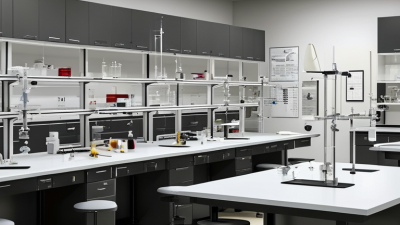
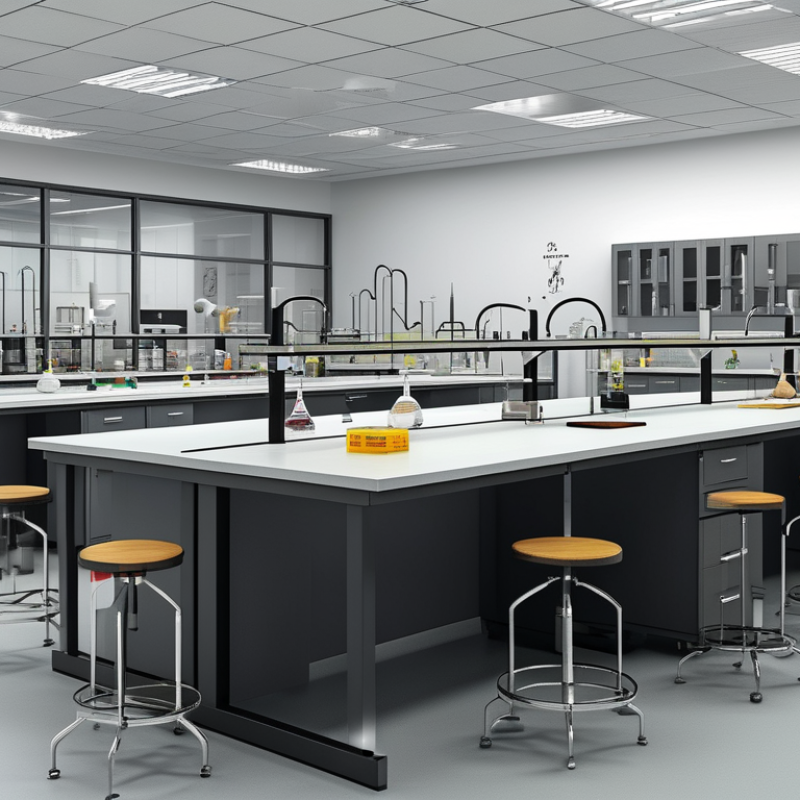
Physics laboratory furniture is more than a table with drawers. It is a coordinated system for experiments involving light, motion, electricity, heat, and measurement. Typical pieces include rigid workbenches, optical tables, instrument racks, lockable cabinets, stools, and service panels.
A well-designed bench controls practical problems. Its frame supports heavy equipment without excessive movement. Its surface resists chemicals, heat, and daily abrasion. Cable routes reduce tangles, while grounded electrical points help manage static-sensitive instruments. Some laboratories also need vibration isolation, darkened work areas, or adjustable heights for long observation sessions.
The details matter. An optical experiment may fail when a nearby door creates a small vibration. An overloaded shelf can become unstable. Poorly planned storage may force students to carry delicate meters across the room. Furniture should match equipment weight, workflow, cleaning methods, and local safety requirements. Experienced planners measure the room, review utility locations, and allow space for maintenance.
No layout is perfect. A design that looks efficient on paper may feel cramped during real testing. Staff feedback should shape the final arrangement. A student may need more knee space, while an instrument may need less bench movement.
Which Features Support Physics Experiments and Equipment?
Why Choose Physics Laboratory Furniture for Your Lab?
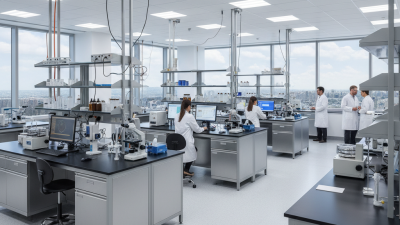
Physics laboratories need furniture that supports accurate measurement, careful movement, and controlled risk. A rigid worktop reduces unwanted vibration during optical alignment or sensor testing. It should also carry heavy equipment without bending over time. Clear load ratings matter more than attractive finishes.
Integrated cable management keeps power leads and signal wires separated. This reduces clutter around oscilloscopes, power supplies, and data-collection devices. Grounding points support safer electrical experiments when installed by qualified professionals. Adjustable-height benches help users work comfortably during long measurements. They also accommodate different equipment sizes and teaching arrangements.
Storage needs equal attention. Lockable drawers protect delicate instruments from dust and accidental movement. Open shelving gives quick access to meters, lenses, and measuring tools. Anti-static surfaces can support sensitive electronic components. Heat-resistant and easily cleaned materials are useful near active equipment. Small details matter.
From practical laboratory planning, I have found that mobility can create problems. Casters improve flexibility, but unlocked wheels may disturb precise experiments. A fixed bench is sometimes better. No layout is perfect. Researchers should review vibration, access, ventilation, and emergency routes before installation. Furniture should leave enough space for two people to work safely around large apparatus. It should also allow future upgrades, because physics equipment rarely stays unchanged.
How Does Specialized Furniture Improve Laboratory Safety?
Why Choose Physics Laboratory Furniture for Your Lab?
Specialized physics laboratory furniture improves safety by controlling movement, load, heat, and electrical exposure. A stable optical table prevents sensitive equipment from shifting during measurements. Reinforced benches support oscilloscopes, power supplies, and heavy vacuum components. Rounded edges and protected cable routes reduce trips and accidental contact.
The U.S. Bureau of Labor Statistics reported 2.6 million nonfatal workplace injuries and illnesses in private industry during 2023. This figure covers all industries, not laboratories, but it shows why routine risks deserve attention. In physics labs, safety often depends on small details. A clear aisle helps during equipment failure. Heat-resistant surfaces reduce damage near lasers or high-current devices. Lockable storage also prevents unstable instruments from falling.
OSHA’s Laboratory Standard requires a written Chemical Hygiene Plan where applicable, while the National Institute for Occupational Safety and Health supports layered engineering controls. Furniture should support those controls, not replace them. For example, a ventilated enclosure needs correct clearance, service access, and airflow testing. Furniture alone cannot solve poor training.
That part is easy to overlook.
A practical inspection should check bench stability, grounding paths, emergency access, and load ratings. In real laboratories, cables still become tangled, and drawers still get overloaded. Periodic reviews remain necessary. The safest design is useful, but never perfect.
Why Choose Physics Laboratory Furniture for Your Lab?
Specialized laboratory furniture supports safer work by controlling exposure, containing hazardous materials, and providing reliable emergency access. The chart shows selected safety reference values commonly used when planning laboratory facilities.
Reference values: laboratory fume hood face velocity is commonly designed around 80–120 feet per minute; ANSI Z358.1 specifies a minimum 15-minute flushing duration for emergency eyewash and shower equipment; OSHA permits up to 60 gallons of Category 1, 2, and 3 flammable liquids in one storage cabinet.
How Can Physics Lab Furniture Enhance Efficiency and Organization?
Why Choose Physics Laboratory Furniture for Your Lab?
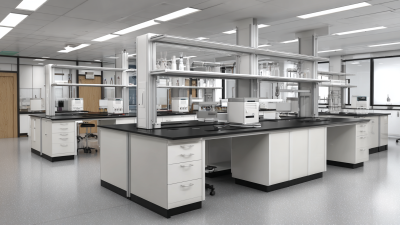
Physics lab furniture can make daily experiments faster, safer, and easier to manage. Well-planned benches give students clear working zones for circuits, motion equipment, and measurements. Durable, level surfaces reduce unwanted movement during sensitive experiments. Integrated cable channels also prevent wires from crossing walkways or tangling beneath desks.
Storage matters just as much. Drawers with labeled sections keep calipers, lenses, cables, and weights ready for use. Adjustable shelving supports changing equipment needs. Lockable compartments can protect delicate instruments between classes. In my experience, clear access around each workstation reduces interruptions and improves supervision. However, adding too much furniture can restrict movement. That mistake is easy to overlook during planning.
Tips: Measure equipment before choosing storage. Leave enough space for students to sit and move safely. Select surfaces that resist scratches and support the expected load. Ask a qualified professional to review electrical connections and grounding requirements. Keep emergency routes open. Small labels help.
A practical layout should match the teaching method, not only the room’s appearance. Collaborative benches may support group experiments, while individual stations improve measurement consistency. Furniture should also allow future changes. Physics courses evolve, and fixed layouts can become limiting. Even a well-designed lab may need adjustment after real classroom use. Feedback from teachers and technicians is valuable.
What Factors Should Guide Your Furniture Selection?
When selecting physics laboratory furniture, start with the experiment, not the showroom appearance. Bench height, vibration control, electrical access, and load capacity directly affect measurement quality. A rigid frame matters near optical tables or precision instruments. Adjustable surfaces also support different users and reduce awkward working positions.
Energy use deserves attention. Labs21 benchmarking data, developed through U.S. energy-efficiency programs, indicates that laboratories may consume five to ten times more energy per square foot than offices. Furniture should therefore preserve airflow and avoid blocking supply vents, fume-control systems, or equipment cooling paths. Sealed, chemically resistant surfaces can extend service life. Yet “chemical resistant” is not universal. Always check compatibility with the actual solvents, acids, and cleaning agents used onsite.
Safety and maintenance should guide the final choice. The OSHA Laboratory Standard, 29 CFR 1910.1450, emphasizes exposure control and accessible safety equipment. Place emergency showers, eyewash stations, and clear walkways within practical reach. Select cabinets with secure storage and rounded, damage-resistant edges. Experienced planners often recommend modular components because research changes quickly. That flexibility has a weakness: poorly connected modules may wobble or create hidden gaps. I have seen attractive installations become difficult to clean within months. Ask for load tests, material specifications, warranty terms, and independent performance evidence. A lower initial price can become expensive when repairs interrupt experiments.