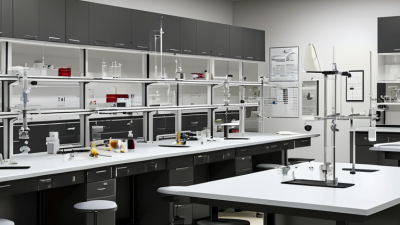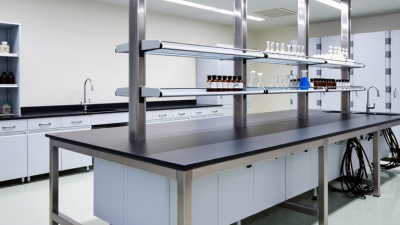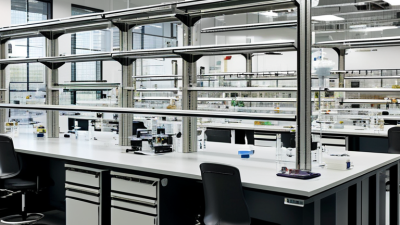
Choosing the right Physics Laboratory Furniture manufacturer affects safety, workflow, durability, and research quality. This guide examines leading suppliers serving universities, schools, industrial laboratories, and public research institutions worldwide. It considers practical experience, engineering capability, material quality, customization, and after-sales support. A strong manufacturer should understand how benches, storage units, service towers, stools, and laboratory cabinets perform under daily use.
Details matter. A chemical-resistant worktop should tolerate frequent cleaning and accidental spills. A steel frame should remain stable when students handle sensitive instruments. Ventilated cabinets need dependable airflow, clear labeling, and accessible maintenance points. Manufacturers with documented testing, qualified technicians, and transparent product specifications deserve closer attention. Certifications can support credibility, but they should not replace site evaluation or professional installation.
This is not a perfect ranking. Regional standards, budgets, room dimensions, and research methods vary widely. A manufacturer that suits a physics teaching laboratory may not meet the vibration-control needs of an advanced optics facility. Even attractive catalog images can hide limitations in cable management, load capacity, or replacement-part availability. Buyers should request technical drawings, material samples, warranty terms, and references from comparable projects. Speaking with laboratory managers can reveal problems that brochures rarely mention.
Reliable furniture supports reliable science. The best suppliers combine robust construction with thoughtful design and measurable service. This overview provides a practical starting point for comparing top Physics Laboratory Furniture manufacturers worldwide, while encouraging readers to verify every important claim before purchasing.
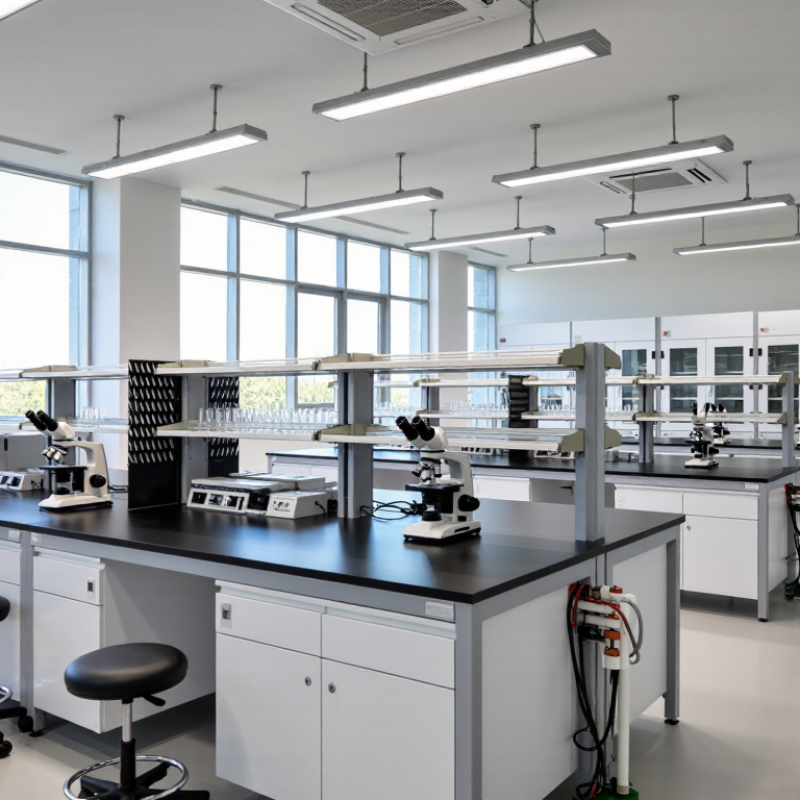
Global demand for physics laboratory furniture is rising with investment in education, photonics, materials science, and advanced manufacturing. Universities need durable benches for daily teaching, while research centers require controlled workstations for sensitive instruments. A standard classroom table may be unsuitable for an optical experiment. Small vibrations can disturb laser alignment, imaging, or measurement results.
Manufacturers must consider load capacity, vibration control, grounding, cable access, and surface stability. Optical tables often require rigid frames and adjustable leveling feet. Electrical installations should support safe grounding and follow relevant IEC requirements.
Furniture used near chemicals needs resistant worktops and sealed edges. Laboratory layouts should also reflect accessibility, emergency routes, ventilation, and local building codes. ISO 14644 may guide cleanroom environments, but it does not replace a complete furniture specification.
In practice, buyers should request tested load data, material certificates, installation records, and maintenance guidance. Technicians often notice problems that drawings miss, such as blocked sockets or uncomfortable working heights. Standards differ between regions, and compliance labels can create false confidence. There is no universal checklist. A furniture system may perform well in one laboratory but fail in another because of floor movement, humidity, or instrument weight. Manufacturers should document these limits clearly and invite user feedback after installation. Some decisions still require revision.
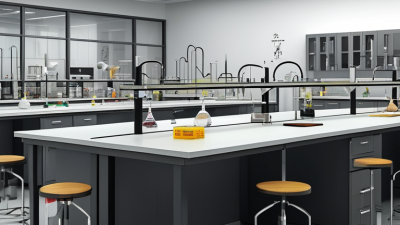
Physics laboratory workspaces depend on furniture that supports precision, stability, and safe daily movement. The main category is the laboratory bench, usually built with rigid frames, chemical-resistant worktops, and adjustable leveling feet. Benches may include cable channels, instrument shelves, and lockable drawers. A 1.8-meter worktop can hold oscilloscopes, power supplies, and notebooks without crowding the operator.
Optical tables form another essential category. Their steel surfaces and vibration-control systems help protect laser alignment, interferometry, and microscopy experiments. Some laboratories also need heavy-duty instrument benches for vacuum equipment or particle detectors. These benches require verified load ratings, reinforced frames, and clear access for maintenance. Even a small vibration from a nearby compressor can disturb delicate measurements.
Electrical test stations need grounded surfaces, organized outlets, and visible emergency controls. Storage units should separate fragile sensors, cables, tools, and calibration equipment. Mobile carts can improve flexibility, but their casters must lock firmly on smooth floors. Ventilated enclosures may support heat-producing devices, although airflow design needs professional review. No layout is perfect. A wide bench may improve collaboration but reduce walking space. A compact arrangement saves room yet creates tangled cables. Reliable manufacturers should provide material data, load documentation, installation guidance, and responsive technical support. Personnel experience still matters, because furniture performance often depends on real habits, not drawings alone.
Top Physics Laboratory Furniture Manufacturers Worldwide
Choosing a physics laboratory furniture manufacturer requires more than comparing catalog prices. Start with verified experience in research environments. Ask for completed projects, installation photographs, and references from universities or industrial laboratories. A supplier familiar with optical tables, vibration control, electrical integration, and chemical-resistant surfaces usually understands real laboratory demands.
Technical documentation matters. Review load ratings, frame materials, cable management, leveling systems, and maintenance requirements. Furniture should support sensitive instruments without creating unwanted movement or heat problems. Check whether the manufacturer follows recognized quality systems and provides traceable test records. Clear warranties and responsive service also indicate reliability. A polished showroom can mislead me. I once focused too heavily on appearance and underestimated access space beneath the benches. That mistake changed how I assess layouts.
Tips: Measure instrument footprints, door widths, service routes, and future equipment space. Request a sample surface or finish before approving a large order. Confirm how the supplier handles damaged parts, replacement components, and installation training. Speak with recent customers, not only selected references. Their practical experience may reveal noise, cleaning, or adjustment problems hidden in technical brochures. A careful evaluation may feel slower, but it reduces expensive changes after installation.
| Evaluation Dimension | Recommended Benchmark | What to Verify | Relevant Standard or Reference | Suggested Weight |
|---|---|---|---|---|
| Structural Load Capacity | Documented load ratings for worktops, base cabinets, shelving, and equipment-support frames. | Independent load-test reports, safety factors, deflection limits, anchoring requirements, and compatibility with heavy instruments. | EN 13150:2020; project-specific structural calculations. | 15% |
| Vibration and Stability | Rigid, levelable structures with effective vibration isolation for sensitive optical, atomic, and measurement equipment. | Frame rigidity, leveling range, anti-vibration interface, resonance-control options, and measured vibration performance where required. | Project vibration criteria; ISO 10816/ISO 20816 principles where applicable. | 15% |
| Chemical Resistance | Worktop and coating systems selected for the laboratory’s actual acids, solvents, bases, oils, and cleaning agents. | Chemical-resistance test matrix, exposure duration, concentration, discoloration limits, and repair or replacement procedure. | SEFA 3; manufacturer chemical-resistance test documentation. | 12% |
| Materials and Surface Durability | Durable, cleanable, low-maintenance materials appropriate for the laboratory’s temperature, humidity, and contamination conditions. | Substrate type, coating thickness, abrasion resistance, impact resistance, edge sealing, corrosion protection, and UV stability. | ASTM D4060; ASTM D3363; ASTM D2794, as applicable. | 10% |
| Safety and Ergonomics | Rounded or protected edges, stable components, accessible controls, safe clearances, and work heights suited to seated or standing tasks. | Risk assessment, pinch-point controls, drawer retention, anti-tip features, adjustability, user reach, and maintenance access. | EN 13150:2020; ISO 6385 ergonomic principles. | 10% |
| Electrical and Utility Integration | Safe routing and separation of power, data, gases, vacuum, cooling water, and other laboratory services. | Cable management, service panels, isolation points, access for inspection, earthing provisions, and coordination with local codes. | IEC 60364; applicable national electrical and gas-installation regulations. | 10% |
| Ventilation and Containment Compatibility | Furniture designed to coordinate with fume cupboards, local exhaust, clean-air systems, and room airflow requirements. | Airflow assumptions, exhaust connection details, face-velocity requirements, containment test data, and commissioning support. | EN 14175; ANSI/ASSP Z9.5, where applicable. | 8% |
| Manufacturing Quality System | Traceable production controls, documented inspections, controlled drawings, and corrective-action procedures. | Valid certification, scope of certification, incoming-material inspection, final inspection records, and nonconformance handling. | ISO 9001:2015. | 8% |
| Customization and Engineering Capability | Ability to adapt dimensions, utilities, equipment interfaces, accessibility features, and room layouts without compromising safety. | Design-responsibility matrix, 2D/3D drawings, interface coordination, sample approvals, and change-control process. | Project specifications; applicable building and laboratory safety codes. | 5% |
| Installation and Commissioning | Professional installation, leveling, anchoring, utility coordination, functional testing, and handover documentation. | Installation method statements, site-survey process, commissioning checklist, as-built drawings, and operator training. | Contract requirements; local health, safety, and construction regulations. | 3% |
| Warranty and After-Sales Support | Clear warranty terms, spare-parts availability, service response procedures, and documented maintenance guidance. | Warranty exclusions, response times, local service coverage, replacement-part lead times, and escalation contacts. | Contract warranty requirements and applicable consumer or commercial law. | 2% |
| Environmental Performance | Reduced material impact, responsible sourcing, efficient packaging, and design for repair, reuse, or recycling. | Environmental management certification, recycled-content declarations, emissions data, material safety information, and end-of-life guidance. | ISO 14001:2015; ISO 14025 environmental declarations, where available. | 2% |
| Total Suggested Evaluation Weight | 100% | |||
Note: Benchmarks should be adjusted to the laboratory’s risk assessment, equipment loads, local regulations, environmental conditions, and required performance specifications.
Leading physics laboratory furniture manufacturers worldwide design workspaces around precision, safety, and long-term use. Their products often include vibration-resistant benches, optical tables, service towers, storage cabinets, and adjustable workstations. Experienced manufacturers study how researchers move between instruments, computers, and testing areas. Small layout decisions matter. A poorly placed shelf can interrupt an experiment.
Reliable manufacturers usually provide documented load ratings, material specifications, and installation guidance. Steel frames offer strength, while chemical-resistant laminates support routine laboratory work. Specialized vibration control may be necessary for laser systems, microscopes, or sensitive measurement equipment. However, no furniture system solves every laboratory problem. Room structure, floor quality, equipment weight, and local safety requirements still influence performance. Claims without test data deserve careful review.
Tips: Ask for vibration data, load limits, warranty terms, and maintenance instructions. Check whether replacement parts remain available. Request a sample finish when possible. It may reveal glare, rough edges, or cleaning difficulties. Speak with laboratory technicians before ordering. They notice practical problems that drawings often miss. A beautiful cabinet can still waste space. This is easy to overlook. Manufacturers with engineering support can help adapt dimensions, cable routes, and utility access. Yet, customization should remain controlled. Excessive variation may complicate repairs and future expansion. Reliable suppliers explain these limitations clearly and provide measurable recommendations.
Top Physics Laboratory Furniture Manufacturers Worldwide: Emerging Trends in Physics Laboratory Design and Equipment
Physics laboratories are moving toward modular, reconfigurable workspaces. Researchers now need benches that support optics, electronics, cryogenics, and rapid instrument changes. Adjustable frames, integrated cable channels, and vibration-controlled surfaces reduce setup time. The Global Laboratory Automation Market report by Grand View Research projects strong growth through 2030, driven by digital workflows and higher testing capacity. Furniture must evolve with that shift.
Energy performance is becoming a design requirement, not a decoration. The International Energy Agency’s Buildings 2024 report states that buildings used about 30% of global final energy in 2022. Physics labs can consume several times more energy than offices because of cooling, ventilation, and equipment loads. Low-emission materials, occupancy sensors, and efficient task lighting can help. Yet, savings may conflict with strict temperature stability. That tension deserves honest review.
Tips: Specify future expansion zones. Leave service access behind equipment. Test vibration performance on site. Use height-adjustable surfaces for long experiments. Ask manufacturers for lifecycle data, not only attractive renderings.
Digital monitoring is also entering laboratory furniture. Sensors can track temperature, vibration, humidity, and power use near sensitive experiments. ISO 14644-1 remains useful when particle control matters, although it does not solve every physics-lab challenge. A common mistake is designing around today’s instruments. That approach feels efficient, but it can become expensive within two years. Practical experience suggests that simple, movable modules often outperform impressive fixed installations.