Leave Your Message

Why Choose Stainless Steel Lab Furniture?

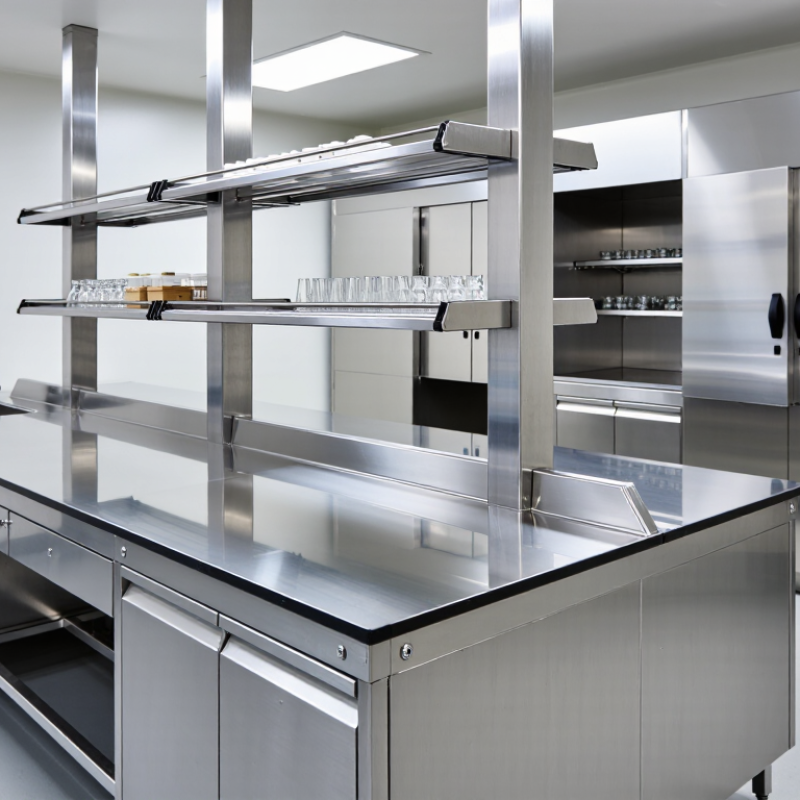
Stainless Steel Lab Furniture is valued for its cleanable surfaces, durability, and ability to withstand demanding laboratory routines. A bench can face repeated wipe-downs, splashes, and heavy equipment every day. Stainless steel offers a practical, nonporous work surface, while welded construction can reduce seams where residue might collect. It is not automatically the right choice for every room. Chemical compatibility, finish, load capacity, and fabrication quality still matter.

In laboratory planning, performance depends on details. A sink edge should drain cleanly. Cabinet doors should open without colliding with nearby equipment. Even the grade of steel deserves attention, since different environments place different demands on materials. A useful principle is: “Choose the work surface for the real tasks, not just its appearance.” This is original editorial guidance, not a verified quotation from a named industry expert; no source for an expert statement was provided. A published introduction should not invent one. Still, the principle is worth keeping in view. Stainless steel can support hygiene and long service life, but poor layout or unsuitable specifications can undermine those advantages. Sometimes the most useful question is simple: what will this bench face, day after day?
Why Choose Stainless Steel Lab Furniture?

What Stainless Steel Lab Furniture Is and How It Is Made

Why Choose Stainless Steel Lab Furniture?
What Stainless Steel Lab Furniture Is and How It Is Made

Stainless steel lab furniture includes workbenches, cabinets, sinks, and shelving made for controlled work areas. Its smooth, nonporous surfaces are easy to wipe, while sturdy frames can support equipment and daily use. The exact alloy matters. Common stainless grades do not resist every chemical equally, so the furniture should match the laboratory’s cleaning agents and processes. Stainless steel is not maintenance-free. That detail is easy to overlook.

Manufacturing typically starts with selecting sheet or tube stock suited to the intended environment. Workers cut, bend, and form the pieces, then join them by welding or mechanical fasteners. Welds are cleaned and smoothed to reduce crevices where residue could collect. The surface may be brushed, polished, or treated through passivation, which helps restore its protective oxide layer after fabrication. Edges, joints, and load-bearing parts need inspection; a neat surface alone does not guarantee sound construction.

Tips: Ask about the steel grade, finish, weld quality, and tested load capacity. Check whether shelves adjust easily and whether cabinet seams are simple to clean. Match the surface to actual chemicals, not just general claims about corrosion resistance. Details matter.

Why Choose Stainless Steel Lab Furniture?

Stainless steel lab furniture is made from corrosion-resistant steel sheet shaped into worktops, cabinets, and frames. Fabrication commonly involves cutting, bending, welding, and finishing; passivation may also be used to support the protective surface layer.

How to read the chart: Values are representative midpoints, in weight percent, of the chromium and nickel ranges specified for 304 and 316 stainless steel sheet. Chromium contributes to stainless steel’s corrosion-resistant passive layer. 316 also contains molybdenum, which is not shown here and can improve resistance to chloride-related corrosion. Actual compositions vary within grade limits.

Key Properties That Support Laboratory Work

Why Choose Stainless Steel Lab Furniture?

Key Properties That Support Laboratory Work

Stainless steel lab furniture is valued for surfaces that are easy to clean and maintain. Its nonporous finish does not readily absorb routine spills, dust, or moisture. A small splash of buffer can be wiped away with a suitable laboratory cleaner. Prompt cleaning still matters. Residue left around joints or fasteners can be harder to remove. Smooth, rounded edges and well-finished seams also reduce places where debris may collect. These details are worth checking in person, not just in a product photo.

The material offers useful strength for benches, cabinets, and equipment supports. However, load capacity depends on the design, thickness, and installation, so verify the specifications for the intended setup. Stainless steel can resist many common forms of wear, but it is not immune to every chemical. Chloride-containing solutions, for example, may cause corrosion under certain conditions. Finish and grade matter. In daily use, the surface may show fingerprints, fine scratches, or water marks, especially under bright task lighting. That is not always a performance problem, though it can make a clean room look less tidy. There is a trade-off: durable furniture can still need thoughtful cleaning and careful chemical selection.

Where Stainless Steel Furniture Performs Best

Why Choose Stainless Steel Lab Furniture?
Where Stainless Steel Furniture Performs Best

Stainless steel furniture is especially useful in wet laboratories, sample-preparation rooms, and spaces where frequent cleaning is routine. Its smooth, nonporous surfaces are generally easy to wipe down, while sturdy worktops handle daily equipment use. Around sinks, sealed edges and well-fitted joints help limit places where moisture can collect. That matters. Choose materials and finishes suited to the chemicals and cleaning methods used in your facility; stainless steel is not equally resistant to every substance. In a busy lab, even a small compatibility check can prevent costly surface damage.

It also performs well in food testing, pharmaceutical, and other controlled environments where cleanability supports established hygiene procedures. But it is not automatically the best choice everywhere. Metal surfaces can show scratches, feel cold, and amplify the clatter of glassware. A quieter room may need other design features, such as vibration control or sound-absorbing finishes nearby. I would not treat stainless steel as a cure-all; layout, maintenance, and installation matter just as much.

Tips: Confirm chemical compatibility before specifying a finish. Inspect welds, seams, and adjustable feet, especially near sinks. If noise is a concern, test a sample work surface in the room before ordering.

Why Choose Stainless Steel Lab Furniture? — Where Stainless Steel Furniture Performs Best
Laboratory Setting Suitability Where Stainless Steel Performs Best Practical Considerations
Wet Chemistry Laboratories Good for many routine laboratory work areas. Its smooth, nonporous surface is generally easy to wipe down and can tolerate frequent cleaning. It is useful around sinks and on work surfaces exposed to water and common laboratory residues. Resistance depends on the chemical, its concentration, temperature, and contact time. Some acids and other aggressive chemicals can damage stainless steel; select materials and protective measures for the specific chemicals used.
Microbiology and Sample Preparation Areas Well suited to work surfaces that require regular cleaning. Nonporous surfaces are straightforward to clean, and stainless steel can withstand many commonly used cleaning routines when compatible products and procedures are followed. Stainless steel is not inherently sterile or self-disinfecting. Cleaning and disinfection procedures, joints, edges, and equipment design remain important.
Pharmaceutical and Controlled Environments Often suitable when surfaces must be durable and cleanable. Welded or well-finished surfaces can reduce dirt-trapping crevices and support routine cleaning in controlled production and testing areas. Furniture alone does not make a room compliant with cleanroom requirements. Surface finish, construction, installation, cleaning validation, and applicable facility standards must be considered.
Food and Beverage Testing Laboratories Suitable for many sample handling and washdown tasks. Stainless steel is widely used where cleanable, corrosion-resistant work surfaces are needed, including areas exposed to moisture and frequent washing. Choose a grade and finish appropriate to the cleaning agents and exposure. Avoid standing water and follow the laboratory’s hygiene and maintenance procedures.
Clinical and Diagnostic Laboratories Useful for benches and utility areas with frequent cleaning. Durable surfaces can handle repeated wiping and everyday laboratory use, particularly around sinks and sample-processing stations. Use cleaning and disinfecting products compatible with the selected grade and finish. Follow procedures for biological hazards; the furniture surface does not replace proper decontamination.
Marine, Saline, or Chloride-Exposed Areas Potentially suitable with careful material selection. Grade 316 stainless steel generally offers better resistance to chloride-related corrosion than grade 304, making it a common option for more corrosive environments. Neither grade is immune to corrosion. Chloride concentration, temperature, deposits, crevices, and maintenance affect performance; assess the actual exposure before specifying furniture.
General Laboratory Storage and Utility Areas Good for robust shelving, cabinets, carts, and worktables. Stainless steel is durable and can be cleaned readily, making it useful for high-use areas and equipment that may be moved or exposed to moisture. It can cost more than some alternative materials and may show scratches or fingerprints. Confirm load capacity, construction, and chemical compatibility for the intended use.

How It Compares with Other Laboratory Materials

Why Choose Stainless Steel Lab Furniture?

How It Compares with Other Laboratory Materials

Stainless steel lab furniture offers a cleanable, durable surface, but its advantages depend on the task. Compared with wood-based laminate cabinets, steel handles frequent wiping and many common chemical splashes better. It also avoids exposed wood edges that may swell when moisture reaches damaged seams. Yet steel can dent, show fingerprints, and sound harsh when trays or glassware touch it. That matters.

Epoxy-resin worktops often resist acids and heat well, making them useful for demanding bench work. Stainless steel suits wet areas and routines requiring smooth, nonporous surfaces, but some grades may pit or discolor after contact with chlorides. Phenolic resin is lighter and can cost less; its performance still depends on chemical exposure and construction. There is no universal winner. I would inspect joints and sink edges in person, since catalogs rarely show how wear develops. A lab manager should compare cleaning agents, load limits, repair options, and replacement costs.

Tips: Match the surface to chemicals used daily. Check compatibility data, inspect seams, and test a sample with the lab’s cleaning routine. A small trial may reveal glare or noise issues early.

Factors to Consider When Choosing and Maintaining It

Why Choose Stainless Steel Lab Furniture?

Factors to Consider When Choosing and Maintaining It

Choosing stainless steel starts with the work, not the shine. Check the chemicals used, cleaning frequency, load requirements, and exposure to moisture or salts. Grade 304 suits many general laboratory settings; chloride-rich or coastal environments may call for grade 316. Confirm the grade, weld quality, edge finish, and load rating in the supplier’s specifications. Small details matter. Poorly finished seams can trap residue and complicate cleaning.

Maintenance is practical, but stainless steel is not maintenance-free. The NACE International IMPACT study estimated corrosion costs at US$2.5 trillion globally, or 3.4% of world GDP, and reported potential savings of 15–35% through corrosion-control practices. This economy-wide estimate is not a furniture-specific forecast. Still, it underlines why material choice and routine care deserve attention. Wipe spills promptly, use cleaners compatible with the steel grade, and rinse away chemical residue. Chloride cleaners left on a surface may cause staining or pitting.

Tips: Use a soft cloth and non-abrasive cleaner; avoid steel wool. Inspect welds, sink edges, and caster mounts regularly. Keep a simple cleaning log. It may feel fussy, but missed residue can be harder to remove later.