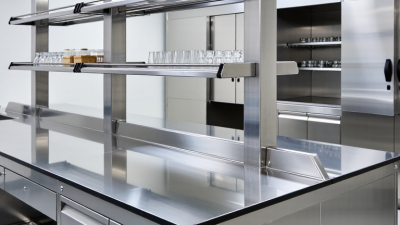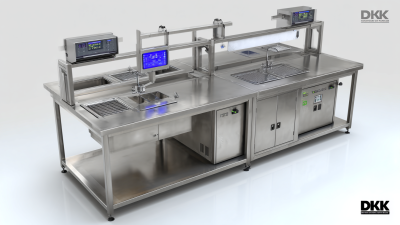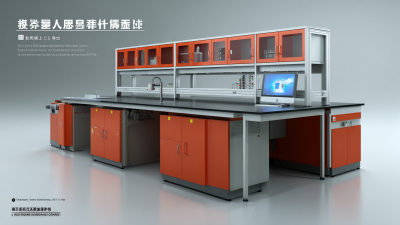
Choosing Laboratory Furniture for an international project involves more than comparing prices. A bench may look suitable online, yet fail to fit the room, workflow, or equipment once it arrives. Buyers need suppliers who can explain materials, dimensions, load limits, finishes, and installation requirements clearly.
Small details matter. Check whether worktops resist the chemicals used in your facility. Confirm that cabinets, sinks, and service connections match the laboratory layout. Ask how the supplier handles drawings, packaging, delivery timelines, and replacement parts. These questions can reveal gaps before they become costly site problems.
Global purchasing adds complexity. Communication, shipping, local installation, and after-sales support may differ by destination. Documentation should be specific, not just reassuring. Request product data and project references where appropriate, then verify that the proposed furniture suits your actual use. A large catalog is not proof of a good fit.
There is no single best supplier for every laboratory. A university teaching room, a quality-control lab, and a research facility may need very different solutions. Even experienced buyers can overlook a practical issue, such as access through a narrow doorway. This guide introduces ten Laboratory Furniture suppliers for global buyers, with attention to product range, project capabilities, and service considerations. Use it as a starting point, not a substitute for checking specifications and requesting a project-specific quotation.

Laboratory furniture is more than a collection of benches and cabinets. It forms the working environment where samples are prepared, instruments are operated, and records are reviewed. Its scope includes work surfaces, storage, seating, sinks, service fixtures, and specialized enclosures. Each item should suit the room’s tasks, cleaning routine, and available utilities. A bench for routine sample handling may need a durable, easy-to-clean top. An instrument station may require vibration control and clear access to power.
Common types include fixed and adjustable-height benches, chemical-resistant cabinets, mobile carts, drying racks, and laboratory stools. Storage can be designed for general supplies, glassware, or temperature-sensitive materials. Fume cupboards and biological safety cabinets serve distinct functions, so they should not be treated as interchangeable. Their selection and installation require qualified assessment of the intended process and room conditions. Small details matter. Rounded edges, stable frames, and reachable controls can make daily work safer and less tiring.
Applications vary across teaching, testing, research, and quality-control laboratories. A teaching room may benefit from shared benches and visible storage, while a testing facility often needs organized instrument zones. Buyers should compare load capacity, surface compatibility, cleanability, service access, and maintenance needs—not just initial cost. Specifications help, but they do not reveal every daily inconvenience. A cabinet door may block a walkway; a sink may sit too far from the work area. Even a well-planned layout can need adjustment after real use.

For global buyers, evaluating laboratory furniture suppliers starts with the work the furniture must support. Ask for load ratings, chemical-resistance data, and details on worktop materials. A cabinet beside a sink faces different demands from a balance bench or a ventilated storage unit. Request test reports and installation drawings, not just attractive product photos. Evidence matters.
Check whether dimensions, utilities, and finishes can be adapted to your facility. A supplier should clarify how benches connect to services, how cabinets are anchored, and what clearances installation requires. Ask about replacement parts and warranty terms in writing. Then compare lead times, packaging, and shipping responsibilities. A low quotation may exclude critical services.
Support after delivery deserves equal attention. Confirm who handles damaged components, technical questions, and local installation coordination. Request references from projects with similar laboratory conditions, and speak with those customers if possible. Specifications can look complete on paper. Site work may reveal gaps. One awkward point: no checklist predicts every layout change or delivery delay. Still, clear documentation and named responsibilities make problems easier to manage. Evaluate communication during the quotation stage, too; slow, vague replies may signal future friction. Choose a supplier that explains limitations plainly, rather than promising every configuration without supporting details.
Suggested criteria for evaluating global laboratory furniture suppliers
This chart presents an illustrative scoring framework, not measured supplier performance or an industry-wide benchmark. The weights total 100% and can be adjusted to suit project requirements.
A useful supplier profile begins with what the company actually builds. One supplier may focus on steel casework for teaching labs, while another makes compact benches for testing rooms. A third specializes in chemical-resistant worktops. Others offer modular cabinets, mobile carts, fume-hood-compatible furniture, cleanroom furnishings, ergonomic workstations, custom storage, or turnkey laboratory fit-outs. These differences matter. A polished catalogue cannot tell you whether a cabinet door will hold up to daily use.
Compare each supplier’s materials, fabrication capacity, installation support, and documented quality checks. Ask for drawings, finish samples, and references from projects with similar room conditions. Look closely at practical details, such as adjustable feet, sealed edges, accessible service panels, and replacement-part availability. Some suppliers have strong design teams but limited local installation coverage. That trade-off is easy to overlook. Delivery schedules can also change, so confirm lead times in writing and leave room for coordination with contractors.
Tips: Match furniture to the work, not just the room plan. Check chemical-resistance data for the substances and cleaning routines involved. Request a sample section or visit a completed installation when possible. Clarify who handles measurements, site adjustments, and after-sales service. Compare the full installed cost, not only the unit price. One detail may still get missed, so review the final specification with laboratory staff before approval.
Laboratory furniture suppliers should be compared on more than catalogue size. Start with the work planned: wet chemistry may require chemical-resistant worktops and corrosion-resistant sinks, while precision weighing benefits from stable, low-vibration benches. Ask for load ratings, surface material details, and installation drawings. A neat product photo is not enough.
Standards matter, but verify the exact scope. Request test reports, material specifications, and documentation showing which product configurations were assessed. Check that stated requirements fit your facility, local codes, and the substances used in each room. Wording can be vague. If a supplier cannot clarify a rating, pause before ordering.
Service often becomes visible after delivery. Compare site measurement, layout support, assembly, spare-part availability, and response times. Ask who handles damaged components and how replacement parts are identified. A small trial installation can reveal awkward drawer clearances or bench-height issues before a full fit-out. It may feel cautious, even slow. That is often cheaper than discovering the problem once instruments are in place.
Laboratory furniture should fit the work, not just the room. A teaching lab may need sturdy benches, movable stools, and storage that students can reach safely. A research space often has different demands, including adjustable work surfaces, chemical-resistant finishes, and clear routes for equipment. Before comparing suppliers, list the tasks performed at each bench. Note the instruments’ weight, power connections, and the space needed to clean around them.
Tips: Ask suppliers for material specifications, load ratings, installation details, and care instructions. Check whether drawers close smoothly and whether shelves can be adjusted without special tools. For wet or high-use areas, request finish samples and test them with your routine cleaning products. Small details matter.
A good supplier should ask questions about room layout, utilities, delivery access, and future changes. They should provide drawings that show dimensions and service points, not only attractive product images. Confirm who handles installation and what happens if a panel arrives damaged. Lead times and replacement-part availability matter, too. I would not choose by price alone, though it is tempting when budgets are tight. A lower quote may omit installation or suitable finishes. Even experienced buyers can overlook one awkward corner, so review the plan with the people who will use the lab every day.
| Supplier Type | Best Fit | Typical Product Scope | Key Selection Checks | Potential Trade-Off | Useful Questions for Buyers |
|---|---|---|---|---|---|
| Turnkey laboratory planning supplier | New laboratories or major renovations requiring coordinated design and installation | Bench systems, storage, sinks, service fixtures, space planning, and project coordination | Request coordinated drawings, utility plans, installation responsibilities, and a clear scope of work | A broad project scope can involve more coordination and a longer planning phase | Who coordinates utilities, site measurements, delivery, installation, and final adjustments? |
| Modular casework supplier | Facilities that expect changing layouts, future expansion, or phased installation | Modular cabinets, movable or adjustable benches, shelving, and compatible work surfaces | Check module dimensions, connection details, replacement-part availability, and compatibility between product lines | Modular components may not suit every unusual room shape or highly customized requirement | Can components be relocated or replaced without changing the entire bench system? |
| Custom laboratory casework fabricator | Research spaces with non-standard room dimensions or specific storage requirements | Made-to-measure benches, cabinets, drawers, service panels, and custom layouts | Review shop drawings, material samples, tolerances, finish details, and the process for approving changes | Custom fabrication can require more design time and make later replacement parts less standardized | What measurements and approvals are required before fabrication begins? |
| Chemical-resistant furniture specialist | Laboratories where work surfaces or cabinets may be exposed to chemicals | Worktops, sinks, cabinets, and finishes selected for specified chemical exposures | Confirm chemical compatibility using the actual substances, concentrations, temperatures, and contact times involved | No single surface material is suitable for every chemical or exposure condition | Can you provide a compatibility chart or documented test information for our chemical list? |
| Fume-hood and ventilation-focused supplier | Laboratories planning fume hoods or furniture that must integrate with local exhaust systems | Fume hoods, supporting benches, exhaust connections, and related installation coordination | Check applicable local requirements, airflow commissioning, exhaust coordination, and maintenance access | Performance depends on the complete installed ventilation system, not furniture alone | Who is responsible for installation checks, airflow testing, and commissioning documentation? |
| Cleanroom and controlled-environment furniture supplier | Cleanrooms and other spaces with documented cleanliness or contamination-control procedures | Workstations, storage, carts, and surfaces designed for the specified environment | Confirm the required cleanroom classification, cleaning agents, particle-control needs, and material documentation | Specialized materials and finishes may limit choices and increase cleaning or maintenance requirements | Are the products suitable for our cleaning protocol and documented room requirements? |
| Teaching-laboratory furniture supplier | Schools, colleges, and training facilities with repeated student use | Demonstration benches, student workstations, storage, sinks, and service-access options | Assess cleanability, durable finishes, safe service routing, accessibility, and supervision sightlines | High-density layouts may require trade-offs between work area, circulation, and storage | Can the layout support the class size, equipment list, and required accessible work areas? |
| Mobile workstation and cart supplier | Shared equipment, flexible workflows, and laboratories that reconfigure work areas | Mobile benches, instrument carts, storage carts, and adjustable workstations | Check rated load, wheel and brake specifications, stability, floor compatibility, and cable management | Mobile units may be less suitable where fixed utilities, vibration control, or heavy equipment are essential | What is the documented load rating, and can the unit safely accommodate our equipment? |
| Laboratory seating and ergonomic workstation supplier | Work involving microscopy, extended bench tasks, or varied user heights | Laboratory stools, chairs, adjustable-height workstations, and task accessories | Evaluate adjustment range, cleanability, stability, foot support, and fit with bench height | Seating needs vary by task and user; one model may not suit every workstation | Can users trial the seating, and are replacement parts and adjustment instructions available? |
| Regional laboratory furniture distributor and installer | Buyers prioritizing local site support, delivery coordination, and after-sales service | Furniture sourcing, local delivery, installation, replacement parts, and service coordination | Verify local project references, installer qualifications, warranty coverage, and spare-part access | Available product choices may depend on the distributor’s supplier network | Which services are performed locally, and what is the process for warranty or service requests? |