Leave Your Message

Why Choose Physics Laboratory Furniture for Your Lab?

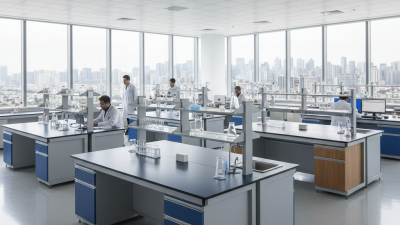
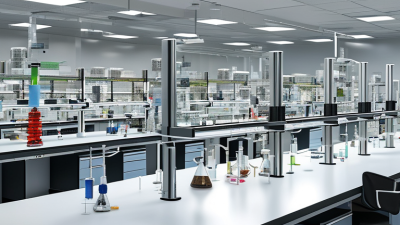
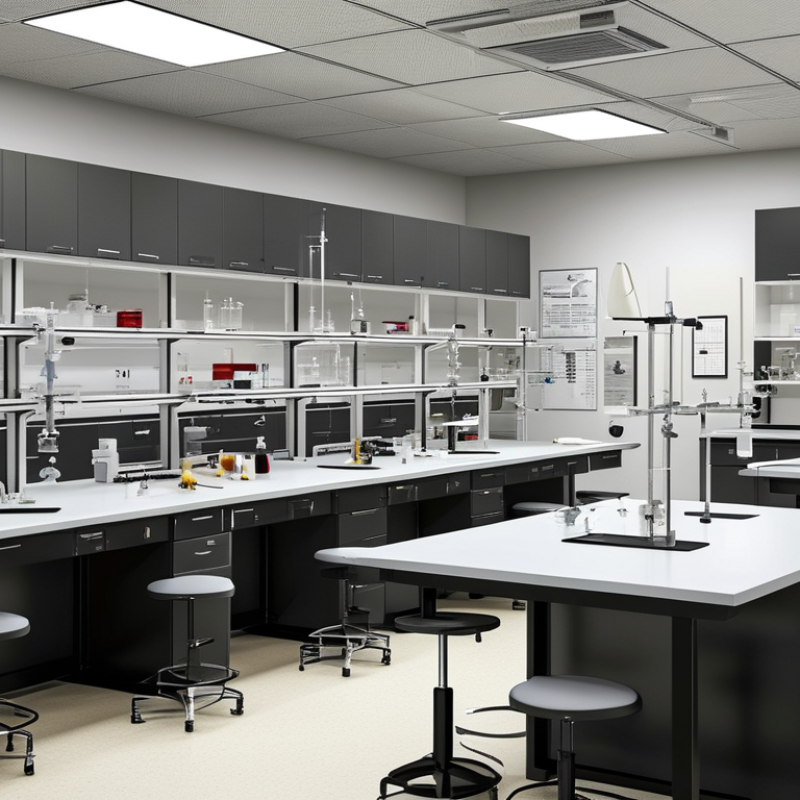
Why Choose Physics Laboratory Furniture for Your Lab? The answer begins with safety, precision, and daily usability. A physics laboratory often contains sensitive instruments, electrical equipment, optical systems, and moving components. Ordinary desks may not provide the stability these activities require. Physics Laboratory Furniture is designed for controlled experiments, repeated adjustments, and demanding classroom conditions.

A sturdy workbench can reduce vibration while students align a laser or measure a pendulum’s period. Adjustable shelving keeps power supplies, lenses, cables, and tools within practical reach. Chemical-resistant surfaces also support general laboratory cleanliness, even when physics experiments use limited chemicals. Properly positioned stools, storage units, and service panels can improve posture and reduce unnecessary movement.

Details matter.

From my experience reviewing laboratory layouts, small design choices often influence teaching quality. Rounded edges, durable coatings, and accessible electrical outlets can make routine work safer. Lockable storage may protect expensive sensors and prevent clutter around experiment stations. However, no furniture system solves every problem. A compact teaching lab may need flexibility, while a research facility may prioritize load capacity and specialized integration.

This is where professional planning becomes valuable. Furniture should match the instruments, room dimensions, ventilation requirements, and expected user behavior. Reputable manufacturers can provide material specifications, load ratings, installation guidance, and maintenance recommendations. These details help laboratory managers make evidence-based decisions rather than selecting furniture by appearance alone.

Good furniture does not replace training.

Still, it supports better habits. When students work at stable, organized stations, they can focus more clearly on measurement, observation, and critical thinking. A thoughtful investment in Physics Laboratory Furniture can improve laboratory reliability, comfort, and long-term value. The best choice remains practical, verifiable, and suited to the lab’s actual future needs.

Why Choose Physics Laboratory Furniture for Your Lab?

What Is Physics Laboratory Furniture?

Physics laboratory furniture is the working infrastructure of a physics lab. It includes laboratory benches, instrument tables, storage cabinets, stools, sinks, and service panels. These pieces support experiments involving motion, electricity, optics, heat, and measurement.

Unlike ordinary classroom furniture, physics furniture must manage vibration, heavy equipment, cables, and changing experiment layouts. A rigid bench can help stabilize balances, optical rails, and sensitive measuring devices. Lockable storage protects lenses, meters, coils, and fragile components from unnecessary movement. Durable, chemical-resistant surfaces also make cleaning easier after practical sessions. In my experience, poor cable access often creates more trouble than limited bench space. No layout is perfect. A thoughtful design still leaves room for revision.

Tips: Measure equipment before selecting benches. Leave clear walkways around workstations. Choose adjustable-height tables for mixed teaching groups. Add cable ports near instruments, not behind them. Check load capacity carefully. Ask laboratory staff to test a sample layout with real equipment. Their feedback may reveal awkward reach distances or blocked controls. Small details matter.

Good physics laboratory furniture should also support safe supervision and reliable teaching. Rounded edges, stable frames, and accessible storage reduce avoidable interruptions. Ventilation, power access, and emergency routes must follow applicable local requirements. Furniture alone cannot guarantee accurate results, but it can create a controlled environment for careful work. Experienced planners should review vibration, lighting, maintenance, and future equipment needs before installation.


How Physics Laboratory Furniture Supports Experimental Work

Physics experiments rarely fail because of equations alone. They fail when benches vibrate, cables cross walkways, or instruments lose alignment.

Purpose-built laboratory furniture creates stable, serviceable work zones. Reinforced frames support optical tables, power supplies, oscilloscopes, and vacuum equipment. Adjustable shelving keeps heavy devices near waist height. That reduces awkward lifting.

The U.S. Department of Energy’s Better Buildings program reports that laboratories can use five to ten times more energy per square foot than offices. This makes ventilation, access, and equipment layout practical concerns, not decorative choices.

Furniture should also support repeatable measurements. Anti-vibration surfaces help protect sensitive optical and mechanical experiments. Grounded outlets and organized cable channels reduce accidental disconnections. Chemical-resistant worktops remain useful near coolants and cleaning agents, although material selection still requires review.

The 2018 Commercial Buildings Energy Consumption Survey identifies ventilation and lighting as major energy end uses, reinforcing the value of efficient planning. Good furniture leaves clear routes around instruments. It also allows future equipment changes without rebuilding the room.

A perfect bench does not exist. We still misjudge cable lengths and storage needs. That limitation deserves honest evaluation. Technicians should test reach distances, loading, glare, noise, and emergency access before final installation. A practical laboratory is not merely tidy; it helps researchers repeat procedures with fewer interruptions.

Key Features of Physics Laboratory Furniture

Why Choose Physics Laboratory Furniture for Your Lab?

Key Features of Physics Laboratory Furniture

Physics laboratory furniture must support accurate work, safe movement, and changing research needs. A stable workbench reduces vibration during optics, mechanics, and electronics experiments. Solid frames matter. Even small movements can affect readings.

Good furniture also manages power, cables, and equipment safely. Integrated electrical outlets should remain accessible without creating loose wires across the floor. Grounded connections and clearly labeled circuits help reduce avoidable risks. Adjustable shelves can hold oscilloscopes, power supplies, and heavy instruments at comfortable heights. Durable, chemical-resistant surfaces are useful, even when experiments seem low risk. Physics labs still use solvents, lubricants, and cleaning agents. Rounded edges and sufficient legroom improve daily comfort. These details are easy to overlook.

Tips: Check the bench load rating before installing heavy equipment. Leave space around heat-producing devices. Use lockable storage for sensitive instruments. Inspect fasteners, cable routes, and grounding points regularly. A simple checklist works well.

Modular furniture allows laboratories to adapt as projects change. Optical tables may need isolation, while electronics benches need efficient cable access. Storage should protect lenses, sensors, and delicate components from dust and accidental impact. However, no layout is perfect. A crowded bench can still undermine careful work. Review the room with technicians and students before final installation. Their practical feedback may reveal problems that drawings miss.

Why Choose Physics Laboratory Furniture for Your Lab? - Key Features of Physics Laboratory Furniture

Furniture Feature Typical Specification Physics Laboratory Application Key Benefit
Vibration-Resistant Workbench Rigid steel frame with a 25–40 mm solid worktop; optional leveling feet Optics, mechanics, precision measurement, and sensor experiments Reduces movement that can affect measurements and alignment
Modular Bench Layout Common bench depths of approximately 750–900 mm with configurable lengths Teaching laboratories with changing experiment setups Makes it easier to rearrange equipment and adapt to new experiments
Durable Chemical-Resistant Surface Compact laminate, epoxy resin, or chemically resistant coated worktop Experiments involving solvents, acids, bases, or conductive solutions Supports routine cleaning and helps protect the bench from common laboratory spills
Integrated Cable Management Rear cable channels, grommets, and under-bench routing space Oscilloscopes, power supplies, data-acquisition systems, and computers Keeps cables organized and reduces trip hazards around work areas
Electrical Service Modules Accessible power outlets with protected routing and optional data connections Electronic circuits, electrical measurements, and instrumentation Improves access to utilities without excessive extension-cord use
Adjustable Leveling Feet Height-adjustable feet for leveling on uneven floors Optical tables, balances, laser alignment, and precision apparatus Helps create a stable and level setup for sensitive equipment
Heavy-Duty Storage Cabinets Lockable cabinets or drawers with load-rated shelving Storage of lenses, meters, cables, apparatus, and teaching components Protects equipment, improves inventory control, and frees bench space
Rounded and Sealed Edges Smooth edge profiles with sealed joints and moisture-resistant construction General physics teaching and research environments Improves cleanability and reduces sharp contact points during practical work
Ergonomic Working Height Seated benches commonly around 720–760 mm; standing benches commonly around 850–950 mm Long-duration experiments, demonstrations, and collaborative instruction Supports comfortable posture and efficient access to instruments
Safety-Oriented Construction Stable frames, load-appropriate surfaces, anti-tip storage, and visible utility access Student laboratories, demonstration rooms, and research spaces Helps support safe equipment placement and organized laboratory practices

Note: Dimensions and materials are typical planning ranges. Final specifications should be selected according to equipment loads, local electrical requirements, laboratory safety rules, and the intended experiment setup.

Safety and Durability Requirements for Physics Laboratories

Why Choose Physics Laboratory Furniture for Your Lab?

Physics laboratory furniture must control hazards, not merely support experiments. Heat, electric current, glass fragments, vibration, and heavy equipment test every surface. A stable, nonporous worktop limits absorption and simplifies cleaning. Rounded edges reduce impact injuries near crowded benches. OSHA’s Laboratory Standard, 29 CFR 1910.1450, requires hazard assessment and documented protective practices. Furniture should support that control system.

Durability also affects safety over time. A cabinet door that sags can obstruct an exit. A corroded frame can destabilize an oscilloscope or precision instrument. Specify chemical-resistant surfaces, sealed joints, grounded metal components, and verified load ratings. NFPA’s Structure Fires in Educational Properties report estimates 1,310 such fires annually from 2017 to 2021. Not every fire involved a physics laboratory. Still, the figure supports careful choices around heat, wiring, and storage. The U.S. Bureau of Labor Statistics recorded 2.6 million nonfatal workplace injuries and illnesses in private industry during 2023. That figure is not laboratory-specific, but small failures still deserve attention. We often choose appearance first. That decision needs reconsideration.

Tips: Measure every instrument before ordering. Record mass, heat output, and footprint. Keep aisles clear and emergency shutoffs accessible. Inspect fasteners, seals, casters, and worktop edges monthly. Request test evidence against relevant standards, including NFPA 45 and SEFA guidance. Do not assume “heavy-duty” means durable. Verify the rating. Small failures matter.

Why Choose Physics Laboratory Furniture for Your Lab?

Safety and Durability Requirements for Physics Laboratories

Well-designed physics laboratory furniture should support safe movement, accessible work areas, and reliable daily use. The chart presents selected minimum clearance dimensions from the 2010 ADA Standards for Accessible Design that are relevant when planning laboratory benches, equipment zones, and circulation routes.

Reference values: 2010 ADA Standards for Accessible Design, Sections 304, 305, 306, and 403. These dimensions should be coordinated with applicable local building, fire, electrical, and laboratory safety regulations.

How to Choose Furniture for a Physics Laboratory

Physics laboratory furniture should be chosen around experiments, not only the room’s appearance. Begin by listing equipment, power needs, vibration sensitivity, and student movement. A sturdy workbench may support an optical table, but it should not transmit every footstep. Measure doors, aisles, ceiling height, and service points before ordering. Measure twice. Small oversights become expensive later.

Select chemical-resistant, heat-tolerant surfaces for experiments involving solvents, lamps, or heated components. Electronics benches need grounded outlets, cable routes, and enough depth for instruments and notebooks. Lockable storage protects delicate sensors from dust and accidental impact. Adjustable stools and clear sightlines help students work safely during demonstrations. I have found that rounded edges reduce minor injuries in crowded teaching labs. They also make cleaning easier. Do not ignore noise. Drawers, pumps, and metal frames can create a surprisingly distracting room.

Material quality matters, but maintenance matters more. Check load ratings, replaceable parts, moisture resistance, and cleaning instructions with qualified suppliers. Ask whether the furniture meets relevant laboratory safety and accessibility requirements. A beautiful cabinet is useless if its doors block an emergency path. My own preference is to leave some capacity unused, although that can feel wasteful during budgeting. Leave room. Experiments change, and a perfect layout today may frustrate researchers next year. Test a sample bench with real instruments, cables, and users before approving the full installation.