How to Choose the Best Laboratory Desk for Your Workspace Needs?
Choosing the right Laboratory Desk is crucial for enhancing productivity and ensuring safety in any lab environment. According to a report by the National Institute of Health, nearly 70% of lab accidents can be attributed to inadequate workspace design. Properly selected desks can mitigate these risks significantly. Dr. Emily Carter, a leading expert in laboratory ergonomics, states, "A well-designed laboratory desk can make the difference between efficiency and disaster."
When selecting a Laboratory Desk, various factors come into play, including material, height adjustability, and ergonomics. An ideal desk should accommodate equipment, samples, and personnel comfortably. Compact designs can help in managing space efficiently. However, the wrong choice can lead to clutter and decreased functionality.
It’s important to reflect on the specific needs of your workspace. Standard desks may not fit unique requirements, leading to wasted resources. Proper assessment ensures that your Laboratory Desk meets the challenges of your specific tasks. The right desk creates an environment conducive to innovation and safety. Your workspace deserves that attention.
Understanding Your Laboratory Workspace Requirements
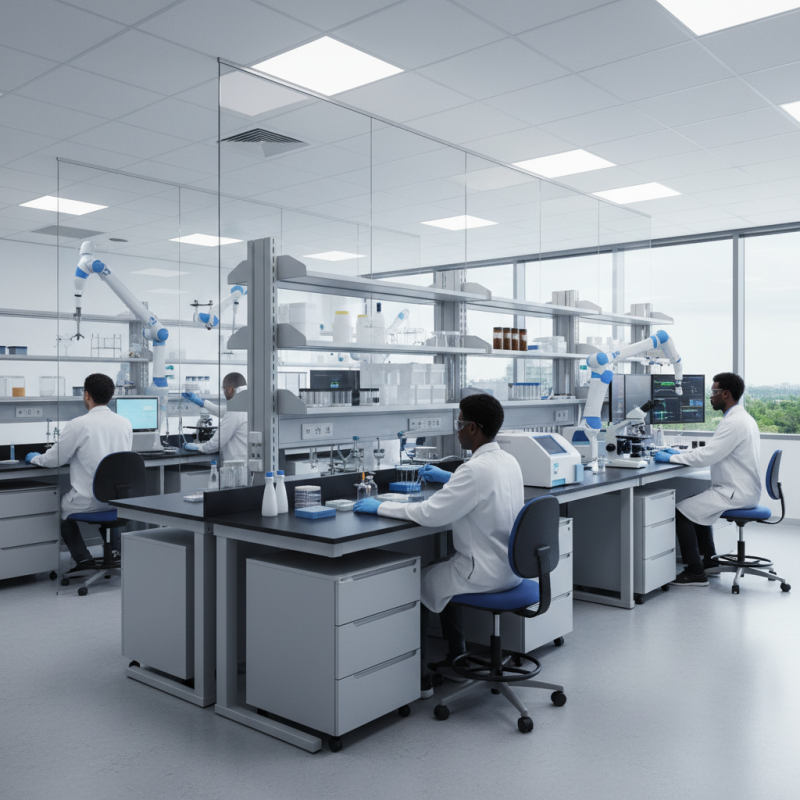
When selecting a laboratory desk, understanding your workspace requirements is essential. Every lab has specific needs based on the type of work you will be performing.
Consider the space available in your laboratory. Measure the area where you plan to place the desk. This prevents any surprises during installation.
Your desk must accommodate equipment and supplies. If you work with large instruments, ensure the desk has sufficient surface area.
Storage solutions, like drawers or shelves, are also vital. They should be easily accessible to keep your workspace organized. A clutter-free space
improves productivity and safety.
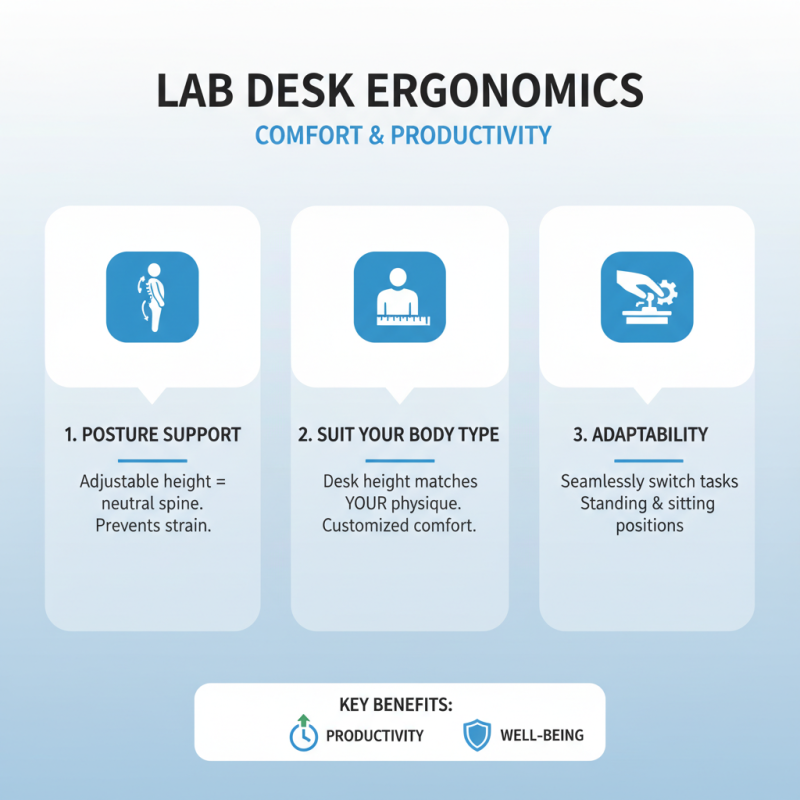
Tips: Evaluate the ergonomics of your desk choice. An adjustable height desk can enhance comfort during long hours of work.
Also, think about materials used for durability. Lab environments can be harsh, so resistant surfaces matter.
Reflect on your needs frequently. They may change as your research progresses or your lab expands.
Identifying Essential Features for Laboratory Desks
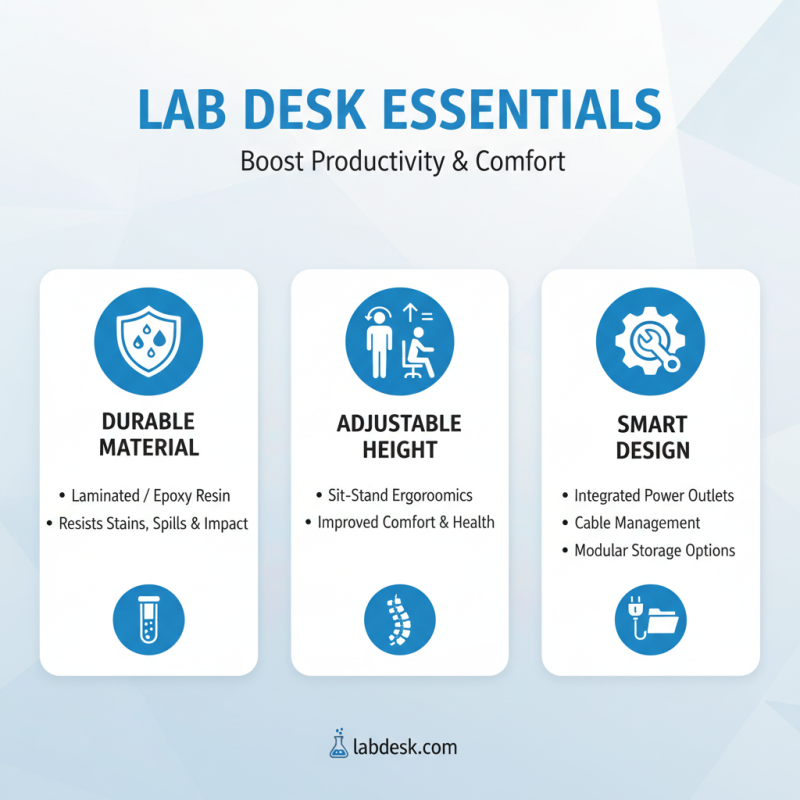
Choosing the right laboratory desk is crucial for productivity and efficiency. One essential feature is the material of the desk. A durable surface, such as laminated or epoxy resin, is important. It should resist stains, spills, and impact. Consider desks with adjustable heights. This allows users to switch between sitting and standing, improving ergonomics and comfort.
Storage options also play a vital role. Look for desks with shelves or drawers to keep tools and materials organized. This reduces clutter and enhances workflow. The workspace should be adequately lit. Built-in lighting can improve visibility, especially for detailed tasks. Lastly, think about mobility. Desks with wheels offer flexibility. They allow easy repositioning for different projects.
Not every laboratory is the same. Reflect on your specific needs and environment. A desk that works in one lab may not fit another. Experiment with various configurations. Understand the balance between functionality and comfort. Sometimes, it takes multiple attempts to find the perfect setup. Trust your instincts and adapt as needed.
Evaluating Material Durability and Maintenance Needs
When selecting a laboratory desk, material durability is crucial. The desk must withstand heavy use and potential spills. Common materials include laminate, wood, and metal. Each has its pros and cons when it comes to maintenance. For instance, laminate surfaces are easy to clean but may scratch over time. Metal desks are sturdy but can rust if not properly maintained.
Consider the specific demands of your work. Will you use chemicals? Then a resistant and easy-to-clean surface is essential. Wood may be visually appealing, but it may require regular sealing. Reflect on how often you want to clean and maintain your desk. Neglecting maintenance can lead to significant wear and tear, affecting functionality and aesthetics.
A desk’s finish matters too. A smooth finish can facilitate easy cleaning, while a textured one may hold onto dirt. It's worth noting that maintaining a clean workspace can sometimes feel overwhelming. Aim for a balance between durability and everyday upkeep. Investing in quality materials may reduce future problems, but be honest about your maintenance capabilities.
Durability and Maintenance Needs of Laboratory Desk Materials
Comparing Cost vs. Value in Laboratory Desk Options
Choosing the right laboratory desk involves more than just picking the cheapest option. Evaluating cost versus value is essential. The initial price may attract you, but consider long-term usability. An affordable desk today may lack durability, leading to replacement costs.
Look for features like resistance to chemicals, easy cleaning surfaces, and adjustability. These aspects enhance the desk's value over time. Investing slightly more in quality can yield greater efficiency and comfort. A functional workspace boosts productivity and reduces frustration during experiments.
Reflect on the size and layout of your lab. A desk that fits your actual workspace needs can save you money by preventing costly modifications later. Sometimes, spending more upfront on a well-designed desk could prevent problems down the line. Balancing cost and value requires careful thought. Invest in a desk that meets your specific requirements, ensuring a reliable work environment.
How to Choose the Best Laboratory Desk for Your Workspace Needs?
| Desk Type |
Material |
Size (LxW in cm) |
Cost (USD) |
Value Rating (1-5) |
| Standard Lab Desk |
Laminate |
120 x 60 |
300 |
4 |
| Heavy-Duty Lab Table |
Steel |
150 x 75 |
600 |
5 |
| Adjustable Height Desk |
Wood |
120 x 60 |
450 |
4.5 |
| Mobile Lab Stand |
Plastic |
90 x 60 |
200 |
3.5 |
| Ergonomic Lab Desk |
Bamboo |
120 x 60 |
500 |
4.8 |