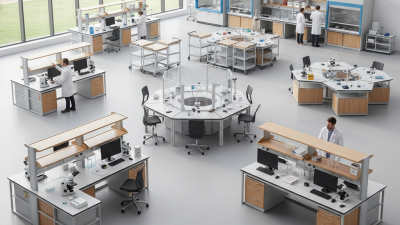
2026 Best Laboratory Bench for Innovative Research Facilities?
In the realm of innovative research facilities, the choice of the right laboratory bench is crucial. A laboratory bench serves as the foundation for scientific inquiry. It is where experiments unfold and discoveries take shape. This essential piece of furniture must meet the specific needs of researchers. Flexibility, durability, and proper ergonomics play significant roles.
Modern laboratories demand more than basic workstations. They require benches that accommodate advanced equipment and support collaborative efforts. Choosing the best laboratory bench involves considering materials that withstand chemicals and frequent use. It's also important to reflect on the layout, ensuring that the bench promotes workflow efficiency.
Selecting the appropriate laboratory bench is not a one-size-fits-all decision. Facilities must evaluate their unique requirements and available space. In the quest for innovation, researchers often overlook the significance of thoughtful bench design. This oversight can hinder productivity and compromise safety. Ultimately, investing in the right laboratory bench fosters creativity and drives scientific progress.
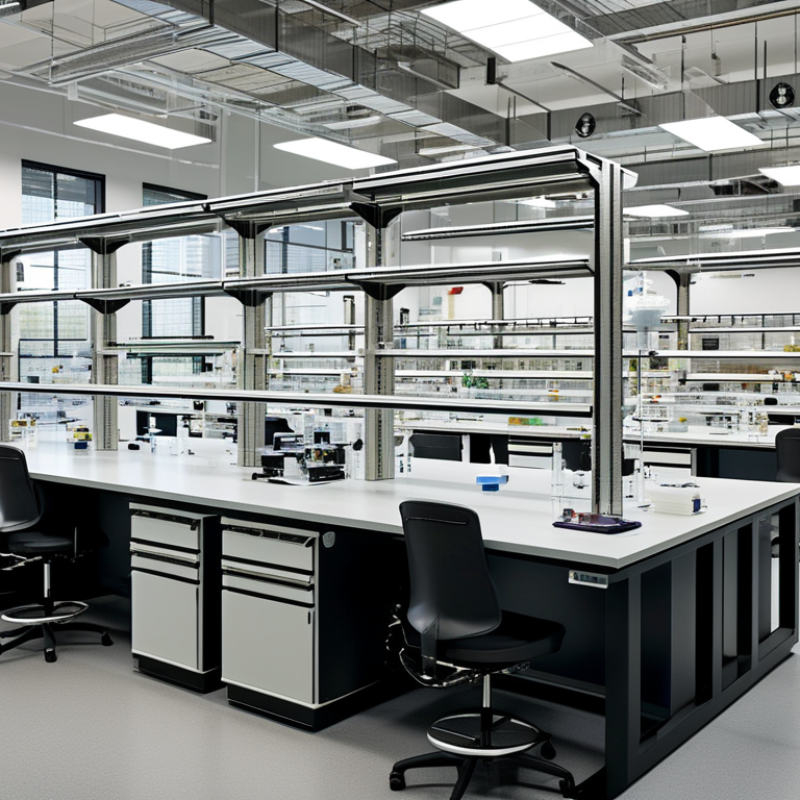
Key Features to Consider in a Laboratory Bench for Innovative Research
In the rapidly evolving landscape of innovative research facilities, selecting the right laboratory bench is crucial. Key features can significantly enhance functionality and productivity. A versatile work surface that allows for ample space for various equipment is essential. Consider using benches that can easily accommodate different types of tools and materials. Flexibility in height adjustment is another important aspect. This feature ensures that researchers of all sizes can work comfortably, reducing strain during long hours.
Durability is vital for any laboratory bench. The materials should be resistant to chemicals and easy to clean. Alternatively, benches with integrated storage solutions can help organize frequently used equipment. This keeps the workspace tidy and promotes efficient workflow. On the flip side, not all designs offer optimal stability, which can lead to accidents. It’s essential to balance aesthetics with practicality.
Collaboration is another factor to take into account. Benches that accommodate multiple users encourage teamwork. They foster communication and shared ideas among researchers. However, it’s important to reflect on how these features impact the bench's overall footprint. Larger benches may not fit in all spaces effectively. Thus, careful planning is necessary to ensure the chosen design fits the needs of the lab without compromising safety or productivity.
Materials and Design Options for Optimal Laboratory Bench Performance
When designing a laboratory bench, material selection is crucial for performance. The right materials can enhance durability, chemical resistance, and ease of cleaning. For innovative research facilities, benches made from epoxy resin or stainless steel are popular choices. These materials withstand harsh chemicals and heavy usage effectively. However, they may not always meet aesthetic needs or budget constraints.
Considering design options is equally important. A modular bench design allows flexibility and customization in workspace layout. This adaptability is vital as research needs often evolve. Ergonomics also play a significant role; benches should be at a comfortable height to reduce strain. Despite these advancements, challenges such as space limitations and budget cuts persist. Balancing functionality with available resources requires ongoing reflection and adjustment.
Moreover, the finish of the benches can affect both safety and maintenance. Smooth surfaces are easier to clean but may lack grip. Rough textures can provide safety against slips but may harbor contaminants. Finding the right balance between these factors is essential yet complex. Often, the perfect laboratory bench remains an ongoing pursuit rather than a definitive goal.
Ergonomics and Usability in Laboratory Benches for Enhanced Research Workflow
Laboratories are evolving, and the design of laboratory benches is crucial for effective research.
Ergonomics and usability are pivotal aspects that can enhance researchers' productivity and comfort.
According to a 2022 report by the National Institute of Health, ergonomic workspaces can increase efficiency by up to 25%, particularly in high-intensity environments.
An ideal laboratory bench accommodates varied heights and postures. Adjustable height features are becoming standard. This flexibility reduces strain during long hours of work.
A study from the Ergonomics Society suggests that 60% of lab workers experience discomfort linked to poorly designed workspaces. In light of this, integrating user-centric designs is not merely beneficial;
it is essential for worker health.
However, not every laboratory is equipped with optimal benches. Many facilities still grapple with outdated furniture. This oversight may hinder workflows and negatively impact research outcomes.
Continuous feedback from researchers highlights the need for benches with built-in organization and accessibility.
Streamlined design can minimize clutter, allowing researchers to focus on their experiments rather than their workspace.
As laboratories continue to transform, prioritizing ergonomics remains a priority for innovative research.
Emerging Technologies Impacting Laboratory Bench Development and Design
In recent years, laboratory bench design has evolved significantly. Emerging technologies are reshaping how researchers interact with their workspaces.
Smart benchtop devices now integrate advanced sensors and IoT connectivity. These features enable real-time data collection, increasing efficiency in experiments.
Moreover, materials used in laboratory bench construction are also changing. Eco-friendly materials are gaining popularity. They contribute to sustainability and reduce the environmental footprint of research facilities. However, this shift poses challenges. Such materials may not always meet durability or chemical resistance needs. Balancing sustainability and functionality is a topic for ongoing discussion among engineers and researchers.
Modular designs are on the rise. They allow for flexibility in laboratory configurations. Labs can quickly adapt to new research demands. Yet, the modular approach may lead to stability issues if not carefully planned. Assurance of safety while promoting innovation must be a constant pursuit in lab design. Continuous reflection on these aspects is crucial for developing effective research environments.
Cost Analysis and Budgeting for High-Quality Laboratory Benches in Research Facilities
When it comes to budgeting for laboratory benches, research facilities often face tough decisions. High-quality benches are essential for innovative research. However, their cost can vary widely. Factors contributing to price include material quality, design complexity, and durability. Investing in durable materials can reduce long-term replacement costs.
Many facilities underestimate the total cost of ownership. This includes installation, maintenance, and potential downtime. It's crucial to factor these elements into the budget. A seemingly affordable bench may lead to higher expenses in the long run. This miscalculation can strain resources and impede research progress.
Budgeting doesn't only involve numbers. It requires a thoughtful assessment of research needs. Engage with researchers to understand their requirements. Gather feedback on bench usability and functionality. This collaborative approach ensures that investments align with practical needs, ultimately supporting innovative breakthroughs. While it may seem tedious, this reflection on past purchases can inform better decisions moving forward.
2026 Cost Analysis of Laboratory Benches for Innovative Research Facilities
This chart provides a cost analysis of different types of laboratory benches suitable for innovative research facilities. The data includes the estimated costs for various materials and designs.