Top Benefits of Stainless Steel Lab Furniture for Modern Laboratories?
In modern laboratories, the choice of furniture greatly impacts functionality and efficiency. Stainless Steel Lab Furniture has emerged as a preferred option for many laboratories. According to Dr. Emily Johnson, a leading expert in laboratory design, "Stainless Steel Lab Furniture not only enhances durability but also provides a hygienic workspace." This highlights the dual benefits of robustness and cleanliness.
Stainless steel offers resistance to corrosion and easy cleaning, making it ideal for various laboratory environments. For example, in chemical labs, spills and hazardous materials are a concern. Stainless Steel Lab Furniture can withstand these challenges without degradation. Yet, not all users fully understand its long-term advantages. Some may worry about higher upfront costs without recognizing future savings in durability.
Moreover, while the aesthetic appeal of stainless steel is often praised, its cold and clinical look can detract from a warm environment. Balancing functionality with comfort is essential for lab staff morale. Thus, while Stainless Steel Lab Furniture presents numerous benefits, it is vital to consider all aspects to create an optimal laboratory space.
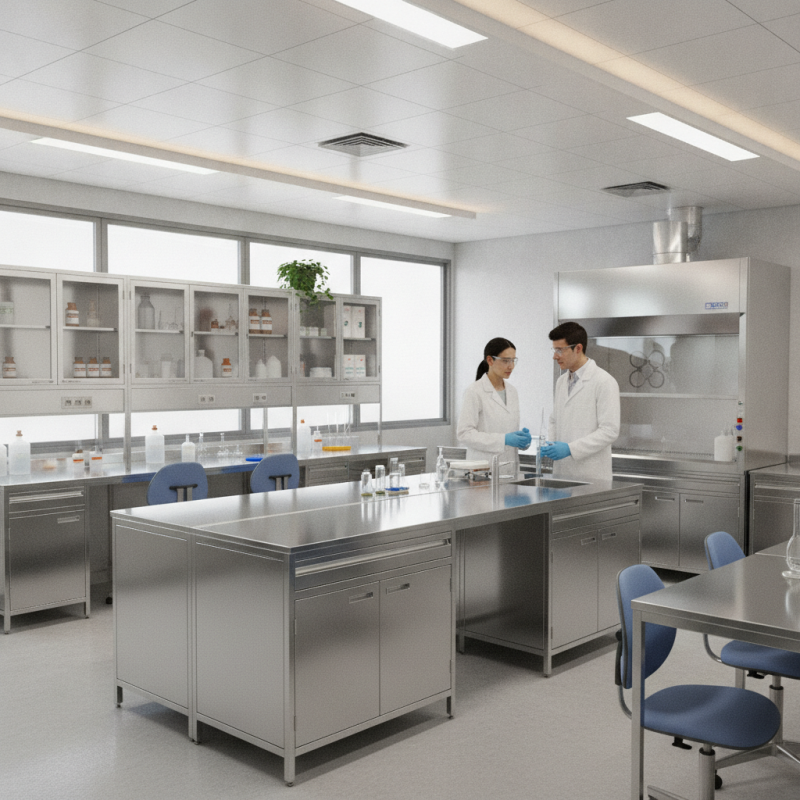
Advantages of Stainless Steel in Laboratory Settings
Stainless steel lab furniture offers numerous advantages in modern laboratory settings. Its durability is notable. Stainless steel resists rust, corrosion, and stains, making it ideal for various lab environments. Equipment and workstations made from this material can withstand the everyday wear and tear of rigorous laboratory tasks. This longevity can lead to reduced replacement costs over time.
Another critical aspect is hygiene. Stainless steel is non-porous, allowing for easy cleaning and sterilization. In labs where cleanliness is vital, this feature is invaluable. It helps prevent contamination, ensuring the integrity of experiments and results. Moreover, stainless steel's resistance to chemicals adds to its appeal. It can endure harsh substances without degrading, which is crucial in many laboratory applications.
However, it’s essential to consider the initial cost. Investing in stainless steel furniture may require a higher upfront expense. This can be a barrier for smaller labs or startups. Additionally, while stainless steel is sturdy, improper installation may lead to issues down the line. Regular maintenance is also necessary to keep furniture in optimal condition. Evaluating these factors is key for labs looking to make the best choice for their furniture.
Durability and Longevity of Stainless Steel Lab Furniture
Stainless steel lab furniture boasts exceptional durability and longevity, making it an excellent choice for modern laboratories. This material is resistant to corrosion, stains, and harsh chemicals. As a result, it maintains its appearance and functionality over time. Many labs face challenges with furniture deterioration due to repetitive cleaning and exposure to various substances. Stainless steel counters and workbenches endure these conditions well, often lasting years beyond alternative materials.
In addition to its durability, stainless steel is easy to maintain. Surfaces can be quickly sanitized, which is crucial in laboratories. However, some may overlook potential scratches or dents that can accumulate over time. Regular checks are necessary to ensure these do not compromise hygiene standards. Though stainless steel is strong, it's important to remember that the finish can wear unevenly with heavy use. Awareness of these issues can lead to better care and longevity of the furniture.
Moreover, its sleek design and versatility contribute to an efficient workspace. Stainless steel furniture can adapt to various laboratory setups. Flexibility does come with a cost; the initial investment may be higher than other materials. Balancing aesthetics, functionality, and budget is essential for facilities. Overall, stainless steel lab furniture proves to be a smart long-term investment, promoting both durability and a professional environment.
Top Benefits of Stainless Steel Lab Furniture for Modern Laboratories
Hygienic Properties: Why Stainless Steel is Ideal for Labs
Stainless steel is celebrated for its hygienic properties, making it the preferred choice for modern laboratories. This metal resists corrosion, which helps maintain a clean environment. Its non-porous surface prevents bacteria and other pathogens from settling in, a crucial factor for lab settings. In medical and research labs, cleanliness is non-negotiable. Stainless steel furniture minimizes the risk of contamination during experiments.
Laboratories face unique challenges. Spills and chemical exposure can compromise cleanliness. Stainless steel withstands harsh cleaning agents and high temperatures. It is easy to sanitize, meeting stringent health protocols. Researchers must reflect on material choices for lab furniture. Can other materials offer the same level of durability and cleanliness?
Maintenance is straightforward. However, stainless steel can dent and scratch. These imperfections may harbor germs, challenging its hygienic promise. Regular maintenance involves checking for damage and proper cleaning techniques. As laboratories evolve, questioning existing materials is essential. Will stainless steel always be the optimal choice?
Top Benefits of Stainless Steel Lab Furniture for Modern Laboratories
| Benefit |
Description |
Hygienic Properties |
| Durability |
Resistant to corrosion and wear, ensuring long-term use. |
Non-porous surface minimizes bacteria growth. |
| Easy to Clean |
Simple maintenance with standard cleaning agents. |
Smooth surfaces prevent contamination. |
| Aesthetic Appeal |
Sleek, modern look enhances the laboratory environment. |
Reflective surfaces enhance visibility. |
| Chemical Resistance |
Withstands a variety of chemicals without damage. |
Resistance helps maintain hygiene when handling chemicals. |
| Eco-Friendly |
Recyclable material contributes to sustainability efforts. |
Less chemical residue promotes a cleaner disposal. |
Aesthetic Appeal and Modern Design of Stainless Steel Labs
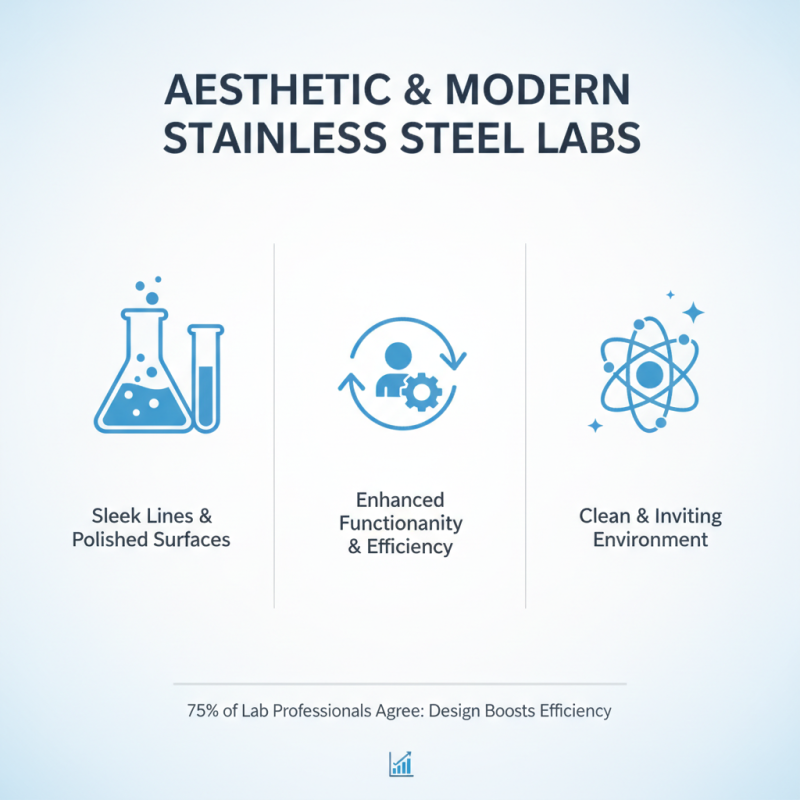
Stainless steel lab furniture is increasingly popular due to its aesthetic appeal and modern design. In contemporary laboratories, the right furniture not only enhances functionality but also contributes to a clean, inviting environment. Data from a recent industry report indicates that nearly 75% of lab professionals believe that design influences their workspace efficiency. Sleek lines and polished surfaces of stainless steel furniture can create a professional atmosphere, reflecting the commitment to high-quality research.
Manufacturers emphasize durability and ease of cleaning as critical features. A well-designed stainless steel lab workspace can reduce the risk of contamination. The smooth surfaces allow for quick cleaning, which is vital in modern laboratories where safety and precision are paramount. However, one must acknowledge that while stainless steel can resist corrosion, prolonged exposure to certain chemicals can dull its appearance. Regular maintenance is needed to retain its visual appeal.
Moreover, incorporating stainless steel furniture can present challenges in terms of cost. While an investment, it's essential to consider the long-term benefits, such as longevity and minimal replacement frequency. Balancing aesthetics and budget is crucial. Many labs struggle to allocate funds for such upgrades, reflecting a broader trend in the industry where design often takes a back seat to practicality.
Cost-Effectiveness and Maintenance of Stainless Steel Furniture
The choice of lab furniture significantly influences a laboratory's efficiency.
Stainless steel lab furniture stands out for its affordability and minimal maintenance needs. This material is durable and resists corrosion, resulting in lower replacement costs and extended service life. Although initial prices may seem higher than other materials, the long-term savings make it a wise investment.
To maximize the lifespan of stainless steel furniture, regular cleaning is essential. A simple wipe-down with mild detergent can keep surfaces looking new. Avoid abrasive cleaners that might scratch the finish.
Consider the design of the furniture in your planning. Modular designs can adapt to changing laboratory needs. Ensure that the furniture layout promotes workflow efficiency. Not all setups work for every lab. Regularly assess your space for improvements that could make your work easier.