2026 Top Pharmaceutical Laboratory Bench Trends and Innovations?
In the ever-evolving realm of the Pharmaceutical Laboratory Bench, innovation plays a crucial role. Experts like Dr. Emily Chen, a leading researcher in pharmaceutical sciences, emphasize the significance of staying ahead. She once stated, "The future of drug discovery lies at the bench, where innovations unfold daily."
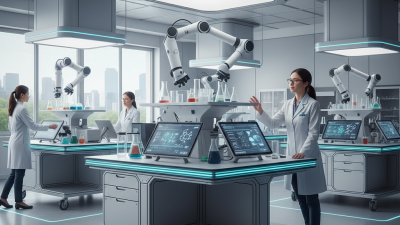
As we look towards 2026, several trends emerge. Automation continues to transform laboratory workflows, making processes more efficient. Labs increasingly adopt artificial intelligence for data analysis. These advances promise to accelerate research timelines and improve outcomes.
However, challenges remain. Laboratories must balance technology with human expertise. It’s essential to foster skilled professionals who can navigate both the tools and the science. The journey towards a more innovative Pharmaceutical Laboratory Bench is ongoing, filled with both excitement and areas for improvement. Each step taken leads us closer to breakthroughs that can shape future healthcare solutions.
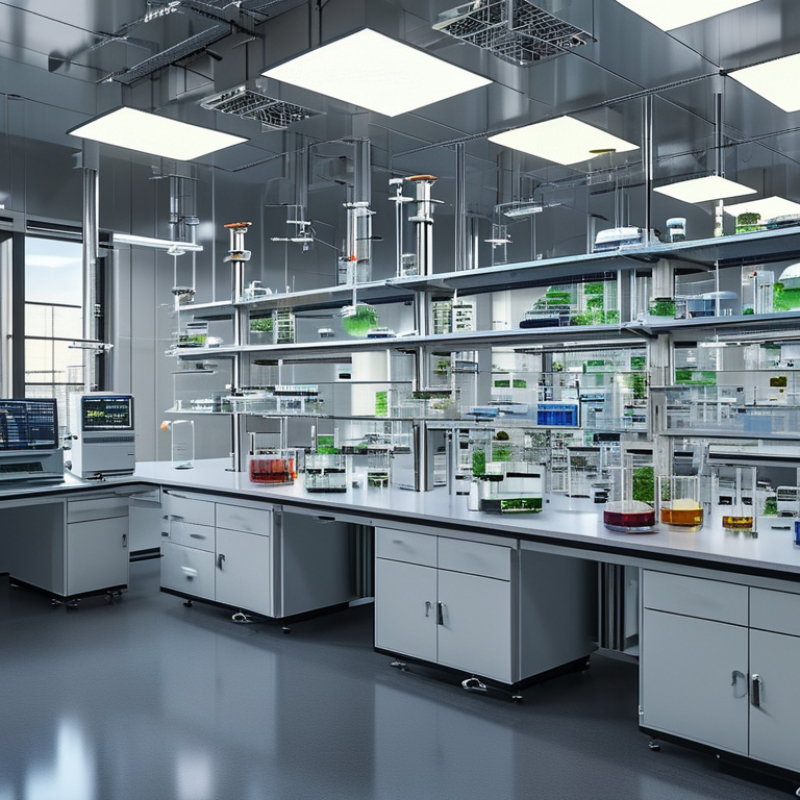
Emerging Technologies in Pharmaceutical Laboratory Benches for 2026
Emerging technologies are reshaping pharmaceutical laboratory benches in 2026. Automation is at the forefront. According to a recent report from the International Pharmaceutical Federation, over 70% of laboratories are integrating automated systems to enhance efficiency. This shift minimizes human error and increases throughput. Automation can reduce drug development timelines significantly, which is critical in today’s fast-paced environment.
Another notable trend is the implementation of digital twin technology. This tool allows laboratories to create virtual replicas of their experiments. A survey by Lab Manager found that 60% of industry leaders see value in utilizing digital twins for predictive analysis. This innovation aids researchers in optimizing processes before actual implementation, saving both time and resources. However, the complexity and initial costs of integrating such technologies can be challenging.
In addition, there is a growing reliance on artificial intelligence (AI) in data analysis. AI algorithms can sift through vast datasets, unearthing insights that human analysts might overlook. A market report indicates that AI in laboratories could lead to a 40% increase in data processing speeds. Still, the ethical implications of AI in decision-making processes require careful consideration, as biases can influence outcomes. These emerging technologies present exciting possibilities but also prompt necessary discussions about their impact on laboratory practices.
Key Innovations in Drug Discovery and Development Processes
The pharmaceutical landscape is rapidly evolving, especially in drug discovery and development. Innovations like artificial intelligence and machine learning are transforming traditional approaches. These technologies streamline data analysis and enhance predictive modeling. AI can identify potential drug candidates more efficiently than ever. This speeds up the initial stages of drug development significantly.
Another pivotal advancement is the use of advanced biotechnologies. Techniques such as CRISPR and next-generation sequencing enable precise modifications in genetic materials. This precision can lead to targeted therapies that address rare diseases more effectively. However, these innovations raise questions about ethical implications. Striking a balance between progress and responsibility is crucial in this fast-paced sector.
Integration of digital health tools is also a game changer. Mobile applications and wearable devices provide real-time monitoring of patient data. This enhances patient engagement during clinical trials and aids in gathering valuable insights. Yet, reliance on technology can sometimes lead to data privacy concerns. Addressing these issues while leveraging new tools remains a challenge for the pharmaceutical industry.
Automation Trends Shaping the Future of Pharmaceutical Labs
The pharmaceutical industry is witnessing significant advancements driven by automation in laboratory settings. According to a report from Research and Markets, the global laboratory automation market is expected to reach $7.5 billion by 2026, growing at a CAGR of 6.4%. This growth highlights the increasing reliance on automated systems, which enhance efficiency and accuracy in research and development.
In pharmaceutical labs, robotic systems are taking over repetitive tasks like sample handling and data analysis. These systems not only save time but also minimize human error. A study conducted by Deloitte reveals that automated laboratories can reduce operational costs by up to 30%. However, integrating automation presents challenges. Many labs face technical difficulties and high initial investment costs. Proper training and system maintenance are crucial for success.
Furthermore, the shift to automation requires a cultural change within organizations. Traditional practices may resist adaptation, resulting in inefficiencies. The need for workforce retraining is evident, as staff must acquire new skills to operate sophisticated robotic systems. Balancing automation with human oversight remains a critical discussion point in the industry. Continuous evaluation of these practices is essential for the future growth of pharmaceutical laboratories.
Sustainability Practices in Pharmaceutical Lab Bench Operations
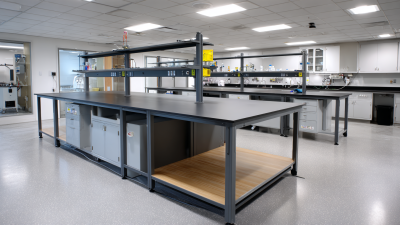
Sustainability in pharmaceutical lab operations is gaining traction. Many laboratories are reevaluating practices to minimize their environmental footprint. For instance, reducing energy consumption is critical. Implementing energy-efficient equipment helps achieve this goal. Labs can also switch to sustainable materials for bench construction and tools.
Waste management presents challenges too. Laboratories generate significant waste, often toxic or hazardous. Innovative waste recycling programs can mitigate this issue. Collaborating with firms specializing in eco-friendly disposal methods is essential. Such partnerships can lead to better waste reduction strategies.
Furthermore, enhancing data management systems can promote sustainability. By adopting digital tools, paper usage can decline significantly. This shift not only protects resources but also enables better collaboration among scientists. However, transitioning to these practices requires ongoing evaluation. Continuous improvement is vital for truly sustainable lab operations.
2026 Top Pharmaceutical Laboratory Bench Trends and Innovations - Sustainability Practices in Pharmaceutical Lab Bench Operations
| Trend/Innovation |
Description |
Sustainability Impact |
Implementation Year |
| Green Chemistry |
Adopting principles that reduce or eliminate hazardous substances in the design, manufacture, and application of chemical products. |
Minimizes waste and reduces energy consumption. |
2026 |
| Digital Lab Technologies |
Implementation of AI and IoT for enhanced data management and process automation. |
Increases efficiency and reduces resource usage. |
2025 |
| Biodegradable Materials |
Utilizing biodegradable plastics and materials in lab equipment and supplies. |
Reduces plastic waste in landfills. |
2026 |
| Energy-efficient Lab Equipment |
Installing lab devices that consume less energy and can be regularly monitored for performance. |
Lowers energy costs and carbon footprint. |
2025 |
| Lab Waste Management Systems |
Enhanced systems for sorting and recycling lab waste effectively. |
Promotes responsible disposal and recycling of materials. |
2026 |
Enhancements in Data Analytics and Management for Pharma Research
The pharmaceutical industry is undergoing significant transformation, particularly in data analytics and management. A report by Grand View Research indicates that the global pharmaceutical data analytics market is expected to reach over $9 billion by 2025. This growth underscores the demand for improved data strategies in lab environments. Advanced analytics allow researchers to interpret vast datasets quickly, enhancing decision-making and speeding up the research cycle.
Integrating artificial intelligence into data management is a game-changer. It not only automates repetitive tasks but also improves the accuracy of predictions in drug developments. However, the adoption of these technologies is not without challenges. Many labs struggle with data silos, which hinder collaboration. Addressing these gaps is crucial for leveraging data effectively across departments.
Data visualization tools have gained traction, making complex datasets more understandable. They can highlight trends that may otherwise go unnoticed. It's essential for labs to invest in user-friendly interfaces. Barriers to understanding can lead to misinterpretation and wasted resources.
Explore various analytics platforms before committing. Each has unique features. Focus on adaptability to your lab's specific needs. Regular training on these tools is necessary to stay updated with evolving capabilities. Ensure all team members are on the same page to fully harness the power of data analytics.
2026 Top Pharmaceutical Laboratory Bench Trends and Innovations