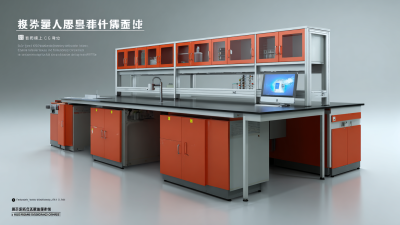
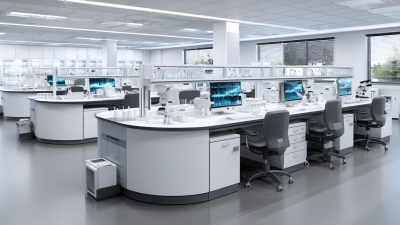
What is a Laboratory Desk and How to Choose the Right One?
A Laboratory Desk is an essential component in any research or testing environment. It not only supports experiments but also enhances productivity and comfort. According to a report by Research and Markets, the global laboratory furniture market is projected to reach $11.5 billion by 2026. This highlights the growing demand for quality laboratory workspace.
Choosing the right Laboratory Desk can be challenging. Factors such as durability, ergonomics, and material quality play a crucial role. Recent studies indicate that ergonomic desks can boost productivity by up to 15%. However, many labs still use outdated furniture, which may hinder efficiency.
Selecting the best Laboratory Desk requires careful consideration. Evaluating the specific needs of your lab is vital. Research has shown that a well-designed workspace reduces errors and increases safety. While no single desk fits all, understanding your requirements will lead to better outcomes.
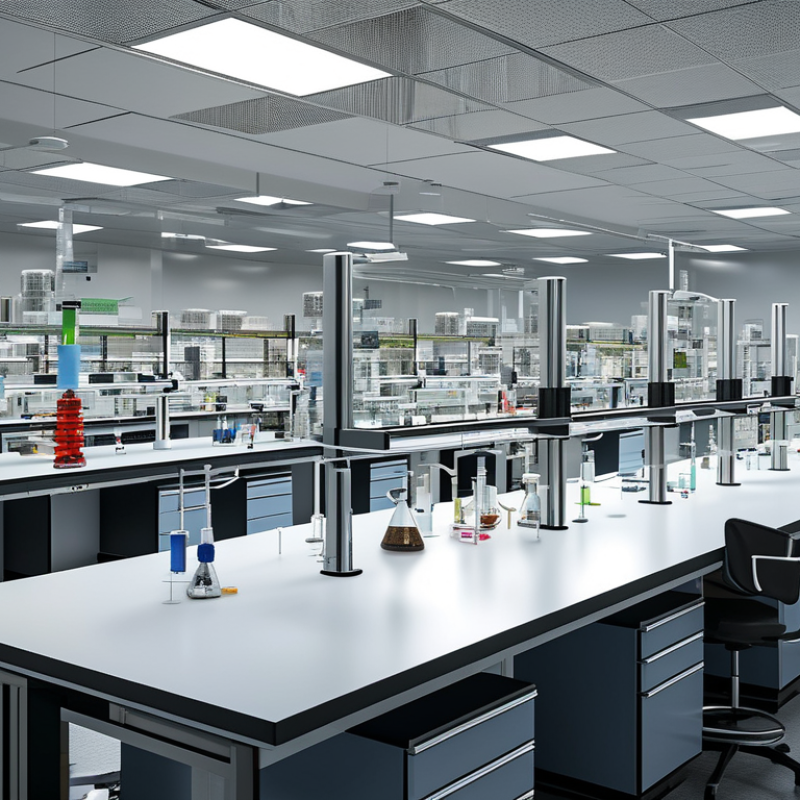
What is a Laboratory Desk? Definition and Purpose Explained
A laboratory desk is a specialized workspace designed for scientific research and experimentation. Its primary purpose is to provide a durable and functional surface for conducting experiments. These desks often feature materials that resist spills, stains, and scratches, ensuring longevity. According to a recent report by the International Laboratory Furniture Association, well-designed lab furniture can enhance productivity by up to 25%.
Choosing the right laboratory desk involves considering several factors. The desk's height should accommodate users to prevent strain during long hours of work. Features such as integrated storage and cable management options are crucial for maintaining organization. Interestingly, many labs overlook ergonomics, potentially impacting users’ health in the long run. A proper desk can significantly reduce fatigue.
Additionally, the desk's surface material is vital. Phenolic resin and epoxy resin are common due to their resistance to chemicals and heat. However, budgeting is often a challenge. Many institutions may opt for cheaper alternatives that might not hold up over time. This decision could lead to costly replacements. Investing in a quality desk is key to achieving a functional lab environment.
Laboratory Desk Usage by Profession
This bar chart illustrates the percentage of laboratory desk usage among different professions within scientific research. Chemists show the highest usage frequency, reflecting the nature of their work requiring extensive laboratory space.
Key Features of Laboratory Desks: Materials and Design Considerations
Laboratory desks are essential for any research or clinical environment. When choosing one, materials and design play a crucial role. Common materials include laminate, epoxy resin, and stainless steel.
Laminate is cost-effective, but it may not withstand harsh chemicals. Epoxy resin is stronger and more resistant but can be heavier.
Stainless steel offers durability and a sleek look, yet it might come with a higher price tag.
Design considerations are equally important. Think about ergonomics and workspace organization. An adjustable height may be beneficial for various tasks.
Storage options, such as drawers or shelves, should accommodate your laboratory equipment efficiently. Make sure the tabletop is spacious enough for your projects but also allows for movement.
While aesthetic appeal can be tempting, functionality is key. Reflect on your specific needs and work habits before making a decision.
Not every laboratory desk will meet all your needs perfectly, and that’s okay. Aim for a balance between practicality and comfort.
Ergonomic Considerations: Importance of Comfort in Laboratory Workspaces
Laboratory environments often demand long hours of precise work. Comfort becomes essential in these high-stakes settings. A study by the Human Factors and Ergonomics Society indicates that lab workers can experience up to 40% less fatigue when using ergonomic desks. This is crucial, as prolonged discomfort can lead to decreased productivity and increased errors.
The right laboratory desk should support various tasks, from pipetting to data analysis. Ergonomic designs often include adjustable heights. A height-adjustable desk can accommodate different user preferences. Research from the Center for Disease Control shows that workplace ergonomics improvements can reduce musculoskeletal disorders by 60%. This highlights the importance of selecting suitable furniture with adjustable features.
Despite available options, many labs invest in conventional desks. These lack adaptability, leading to discomfort. Space constraints may also limit ergonomic solutions. Regular assessments of workspace features help identify potential improvements. Consider conducting user surveys within your lab to gather insights about desk comfort, which can guide future decisions. Too often, the choice of a desk neglects the user’s physical needs, illustrating a gap in laboratory workspace design.
Industry Standards: Compliance and Safety Regulations for Laboratory Desks
When choosing a laboratory desk, adherence to industry standards is crucial. Safety regulations ensure that laboratory environments remain functional and secure. For instance, the desk material should be resistant to chemicals. This prevents damage from spills, maintaining a safe workspace. Moreover, the height of the desk should accommodate ergonomic needs. An improperly sized desk can lead to discomfort and long-term health issues.
Compliance with regulations also involves structural integrity. The desk must support heavy equipment without warping or breaking. This consideration is often overlooked, yet it directly affects lab productivity. Every laboratory should have a plan for regular inspections of lab furniture. Ignoring wear and tear can pose risks.
Awareness of compliance standards showcases professionalism. It reflects in the quality of work performed. Not every lab desk meets rigorous safety tests. Choosing one that does establishes a commitment to safety and excellence. As laboratories evolve, continued investment in compliant furniture becomes increasingly important. Contemplating these factors enhances laboratory function and promotes a safer working environment.
Choosing the Right Laboratory Desk: Factors to Consider and Cost Analysis
Choosing the right laboratory desk is crucial for creating an efficient workspace. Start by considering the type of work that will be performed. For tasks involving delicate equipment, a stable desk is necessary. If experiments require large instruments, opt for a desk with ample surface area.
Material and durability are significant factors. A desk made from high-quality, resistant material can withstand spills and chemical exposure. Think about mobility too. Some labs need desks that can be adjusted or moved easily. This flexibility can enhance workflow.
Cost analysis plays a vital role in the decision. A high-end laboratory desk may offer longevity, but budget options can still meet basic needs. It’s essential to balance quality with affordability. Reflect on how often the desk will be used and what features are truly needed. Investing in a reliable desk today can prevent issues in the future. This reflection will ensure a suitable choice aligns with your laboratory's specific demands.