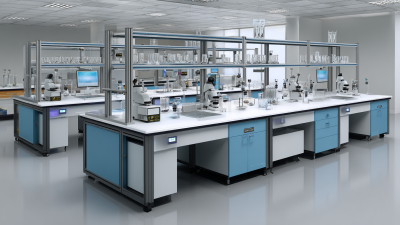
Top Pp Lab Furniture Solutions for Global Buyers?
In the ever-evolving world of laboratory environments, "Pp Lab Furniture" plays a critical role. Experts in the field emphasize the impact of quality lab furniture on research efficiency. Dr. Jennifer Collins, a renowned laboratory design consultant, states, “Well-designed lab furniture is the backbone of any successful research facility.” Her insight illustrates the importance of investing in durable and functional lab solutions.
Pp Lab Furniture solutions cater to diverse needs across various sectors. From academic institutions to pharmaceutical companies, the demand for high-quality lab furniture continues to rise. Global buyers often seek furniture that promotes productivity while ensuring safety. Choices made today reflect on the future of research and development capabilities.
As the market matures, buyers face challenges. The variety of options can be overwhelming. Not every selection may meet the anticipated standards. Reflecting on this means understanding that Pp Lab Furniture is more than just equipment; it represents a commitment to scientific advancement and collaboration. Careful consideration in choosing lab furniture is crucial for creating an optimal workspace.
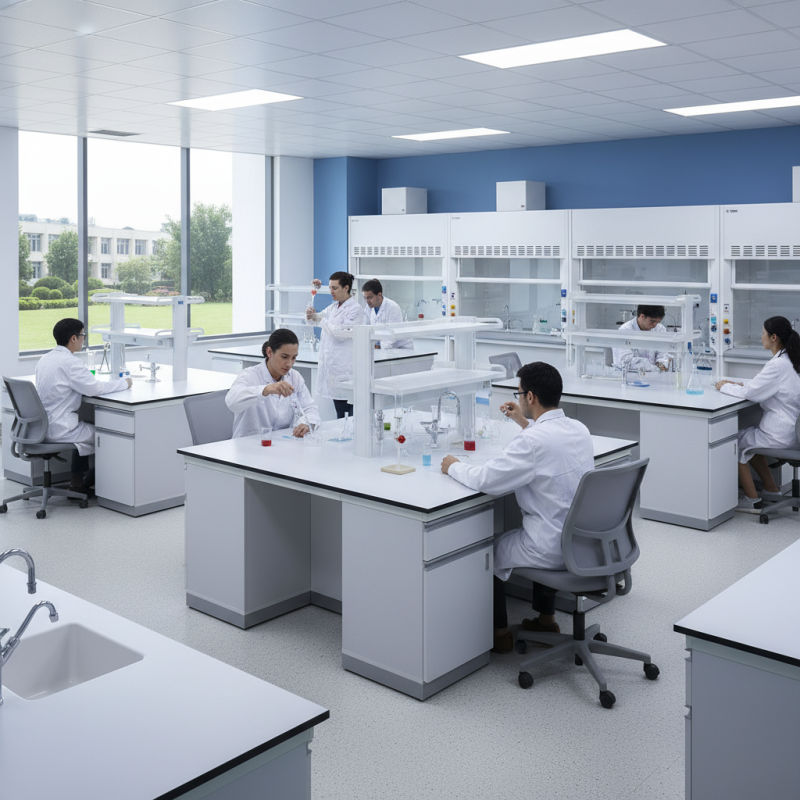
Leading Materials for Pp Lab Furniture: A Comprehensive Overview
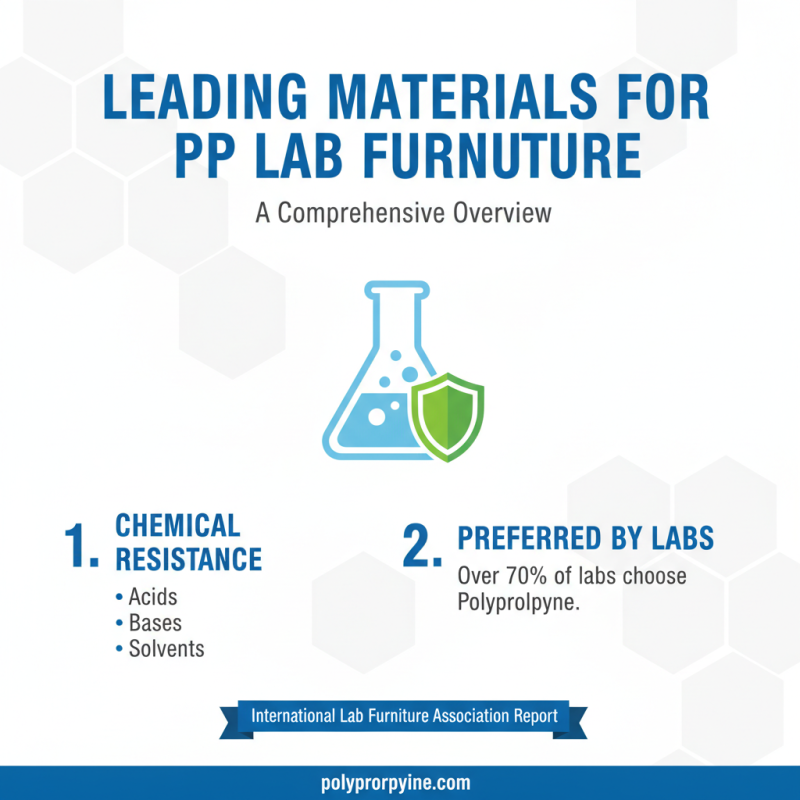
When considering the leading materials for polypropylene (Pp) lab furniture, it’s essential to understand their benefits. Polypropylene is widely recognized for its chemical resistance. It withstands acids, bases, and solvents, making it ideal for laboratory environments. A report from the International Lab Furniture Association indicates that over 70% of labs prefer using polypropylene due to these properties.
The durability of Pp lab furniture is also significant. Studies show that furniture made from polypropylene has a lifespan that exceeds ten years. This longevity reduces the need for frequent replacements. Additionally, Pp can be easily cleaned and disinfected, promoting a sterile environment, essential for labs. However, not all Pp furniture meets the same standards. Some products may lack quality assurance, raising concerns for buyers.
While polypropylene is advantageous, there are limitations worth noting. The material can become brittle over time when exposed to UV light. This affects its suitability for certain environments. Moreover, variations in manufacturing processes may lead to inconsistent product quality. Buyers must research thoroughly to avoid these pitfalls. Making informed choices about lab furniture materials ensures a functional and safe workspace.
Innovative Design Features in Pp Lab Furniture Solutions
PP lab furniture solutions have emerged as an essential component for modern laboratories. Their innovative design features focus on efficiency, durability, and user safety. According to a recent industry report, the lab furniture market is expected to grow by over 6% annually, reflecting a demand for functional and aesthetically appealing furniture.
One key innovation is the use of anti-microbial surfaces. These surfaces inhibit bacterial growth, reducing contamination risks. This is crucial in labs where hygiene is paramount, particularly in clinical and pharmaceutical settings. Ergonomics also play a significant role. Adjustable tables and specialized seating minimize strain and enhance productivity. It's vital that lab personnel can work comfortably for extended periods.
Tips: Always assess the specific needs of your lab space. Consider flexible layouts to accommodate future changes. Feedback from lab staff can help identify practical solutions and improve designs. Remember, functionality should not compromise safety. While innovative designs are appealing, they must also adhere to strict safety regulations. Balancing style with compliance requires careful planning and execution.
Global Market Trends Influencing Pp Lab Furniture Purchases
The global market for PP lab furniture is shifting. Buyers today are seeking solutions that enhance both functionality and sustainability. These trends reflect broader changes in laboratory environments. In recent years, there has been an increased focus on versatile designs. Laboratories require flexible furniture that adapts to various processes.
Environmental considerations are now a priority. More organizations are aware of their carbon footprint. They want lab furniture that is built from sustainable materials. Polypropylene, being lightweight and durable, is becoming a preferred choice. However, not all manufacturers prioritize eco-friendly practices. This inconsistency can confuse buyers. Educating consumers about their options is essential.
Budget constraints also play a significant role in purchasing decisions. Many buyers need durable solutions that fit their financial plans. Yet, some opt for cheaper alternatives, sacrificing quality. This can lead to long-term issues. Longevity should be a key factor in selection. Finding the right balance between cost and quality remains a challenge. Manufacturers must navigate these complexities to meet buyer needs effectively.
Key Manufacturers and Suppliers of Pp Lab Furniture Worldwide
When considering lab furniture solutions, global buyers often look for reliable manufacturers and suppliers. A recent industry report highlights that the laboratory furniture market is expected to reach approximately $4.2 billion by 2025. This growth underscores the demand for quality lab furniture, particularly made from polypropylene (PP). PP lab furniture is favored for its durability, chemical resistance, and ease of cleaning.
Key manufacturers around the world are adapting to these trends. Many suppliers are enhancing their production techniques to ensure product longevity. Reports indicate that around 70% of buyers prioritize eco-friendly practices. Additionally, around 40% emphasize customization to meet specific laboratory needs. This suggests manufacturers must address both sustainability and functionality.
However, challenges persist. Quality control remains a significant issue. Some manufacturers struggle to meet international standards consistently. Buyers should investigate supplier certifications to ensure compliance. As the market evolves, prospective clients must stay informed about product innovations and regulatory changes that impact lab furniture solutions. Every decision made can have a long-term impact on lab efficiency and safety.
Top Pp Lab Furniture Solutions for Global Buyers
Best Practices for Selecting Pp Lab Furniture for Diverse Labs
Selecting the right lab furniture is crucial for various laboratory environments. When choosing polypropylene (PP) lab furniture, consider functionality and durability. PP is resistant to chemicals and easy to clean, making it ideal for labs. You should ensure that the furniture design aligns with your specific lab workflow. There’s no one-size-fits-all solution.
Evaluate the space available in your lab. The layout impacts productivity. Excessively cramped spaces may lead to mistakes or accidents. Look for furniture that offers flexibility. Modular designs can adapt to changing needs. Frequent reassessment of your furniture's effectiveness can foster better lab conditions.
Safety should always be a priority. Check if the furniture meets industry standards for stability. Inadequate support might lead to accidents. Also, consider ergonomic factors. Improper seating or work surfaces can cause discomfort over time. Ensure that your team has input in the selection process. Their experience is invaluable in creating a work-friendly environment.