Leave Your Message

Why Choose a Lab Tap for Your Laboratory?

A laboratory tap may look like a small fixture, but it affects daily work at the sink. A suitable Lab Tap can support reliable water access, practical cleaning, and a safer, more organized workspace. The right choice depends on how the laboratory is used, not just how the tap looks.

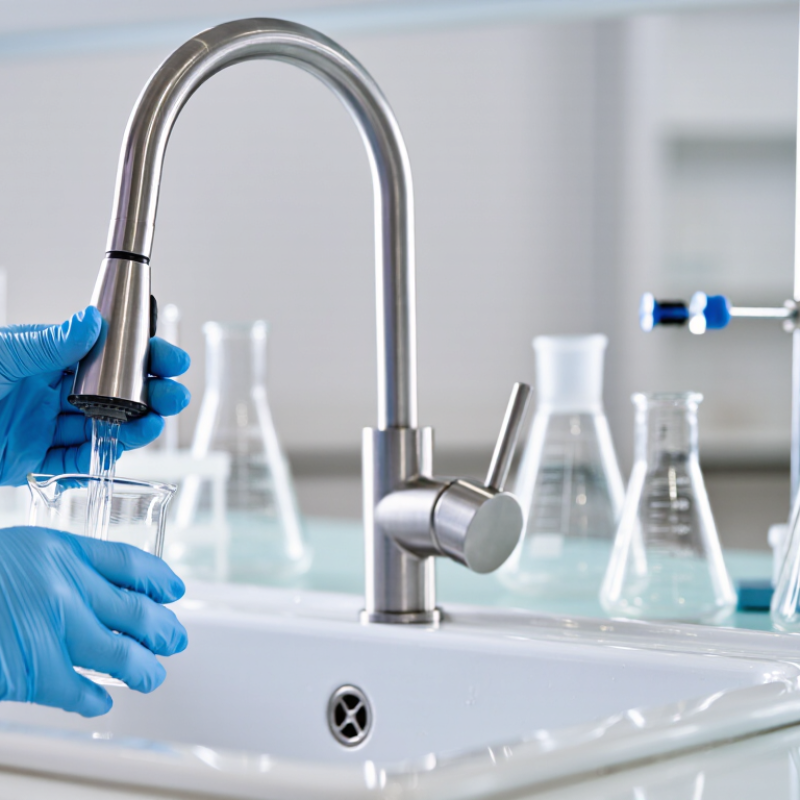
Consider the details users encounter each day: gloved hands turning a handle, glassware resting beneath the spout, and water splashing across a crowded bench. Spout height, reach, control design, and material compatibility all influence how comfortably the sink can be used. A tap that is difficult to operate or clean may become an ongoing frustration. Small details matter.

Before selecting a model, check the sink dimensions, water connections, and any site-specific requirements. Confirm that its materials suit the expected cleaning agents and operating conditions; when uncertain, consult the manufacturer’s specifications. A good fit should also allow routine inspection and maintenance without awkward access. These checks help teams compare options on practical grounds rather than relying on appearance alone.

No single design suits every laboratory. A teaching room, research facility, and testing workspace may have different routines and maintenance needs. It is worth asking staff what causes trouble at the sink now. Their answers may challenge an initial assumption, and that is useful. Choosing a Lab Tap thoughtfully can improve everyday usability, though the fixture is only one part of a well-planned laboratory.
Why Choose a Lab Tap for Your Laboratory?

What Defines a Laboratory Tap and How Does It Work?

A laboratory tap is a point-of-use fitting designed to deliver water for specific bench tasks. Its body connects to a supply line, while an internal valve or cartridge controls flow. Turning the handle opens the valve; a mixing valve can adjust hot and cold water. The outlet may use an aerator or a smooth-flow nozzle. Some taps serve ordinary wash water, while others connect to purified-water systems. Keep those systems separate.

A lab tap differs from a domestic faucet through its materials, outlet options, and compatibility with laboratory services. EPA’s WaterSense at Work guide reports that reducing faucet flow from 2.2 to 0.5 gallons per minute can cut water use by about 77%, assuming equal operating time. That figure is not a universal target: rinsing glassware may need a different flow than handwashing. The awkward detail is that a lower flow can save water but slow a task. Check actual use before changing the outlet.

Tips: Match the tap to the water quality and task. Check for leaks, clean the outlet, and confirm that controls work with gloved hands. A small drip matters over time. Don’t assume every bench needs the same fitting.

Which Design Features Suit Laboratory Environments?

A laboratory tap must do more than deliver water; its shape should support clean, repeatable work. A high, smooth spout leaves room for filling narrow-necked bottles and rinsing glassware without awkward tilting. Keep the outlet clear of the sink rim, but not so high that splashes reach nearby benches.

Small details matter. Handles with broad, easy-to-grip surfaces are useful when gloves are worn, while clear hot-and-cold markings reduce guesswork. Lever controls can be easier to operate with an elbow, though they still need clearance from walls and equipment.

Materials and joints deserve equal attention. Choose a corrosion-resistant finish compatible with the water, cleaning agents, and procedures used in the room; no finish suits every laboratory. A simple body with fewer crevices is easier to wipe down, and accessible connections make inspection less disruptive.

If backflow protection is required, confirm the specification with a qualified facilities professional and relevant site requirements. Not glamorous, but important. Consider whether the handle, aerator, and seals can be serviced without removing the whole fitting.

Even a well-designed tap can become awkward if it clashes with the basin, splashback, or users’ reach. Measure the installation, then test the controls at the sink. I would not judge a tap from a catalogue image alone.

How Does a Lab Tap Support Safety and Contamination Control?

A laboratory tap supports safety and contamination control by making water access predictable and reducing unnecessary contact. In a busy lab, a researcher may handle samples, adjust a tap, then reach for clean equipment. A hands-free control, where suitable, can help limit that contact. A high, smooth spout can also direct water into a sink without splashing nearby benches. Small details matter. Still, a tap alone cannot prevent contamination; careful technique and regular cleaning remain essential.

Tips: Keep the spout clear of sink basins and containers. Clean handles and nearby surfaces on a set schedule. Check for drips, mineral buildup, or loose fittings, which can be easy to overlook during routine work.

Choose a tap that suits the tasks and sink layout. For example, rinsing glassware may need a different reach than filling a small vessel. A controlled flow helps reduce splashes, but overly low pressure can make rinsing awkward. Staff should know which outlets provide treated water and which provide ordinary supply. Labeling can help, though labels may fade or be missed. Review the setup with the people who use it, then adjust where real work exposes gaps.

Why Choose a Lab Tap for Your Laboratory?

How Does a Lab Tap Support Safety and Contamination Control?

A lab tap provides a convenient water point for handwashing and routine rinsing, helping support good hygiene practices. CDC guidance recommends scrubbing hands for at least 20 seconds; ANSI/ISEA Z358.1 calls for emergency eyewash equipment to deliver flushing fluid for at least 15 minutes. A standard lab tap is not a substitute for a compliant emergency eyewash station.

Sources: CDC, “About Handwashing”; ANSI/ISEA Z358.1, Emergency Eyewash and Shower Equipment.

What Types of Laboratory Taps Are Available?

Laboratory taps vary by mounting style, water service, and control method. Deck-mounted taps sit on a sink or worktop, while wall-mounted models attach above the basin. The choice depends on bench layout, plumbing access, and the space needed beneath the spout. Measure carefully. A tall gooseneck spout can clear glassware and deep vessels, but may splash into a shallow sink.

Some taps supply hot and cold water through separate handles or a mixer control. Others are dedicated to purified water, such as deionized or reverse-osmosis water. Keep these outlets clearly identified and separate from general-use taps to reduce mix-ups. Simple, but important. Laboratory service fittings may also provide gas or vacuum; these are specialized outlets, not ordinary water taps, and require suitable installation and clear labeling.

Control styles include lever handles, knobs, and foot-operated valves. Levers can be easier to use when hands are occupied, while foot controls help limit contact with the tap. In practice, the best option is not always the most elaborate one. Check the intended water quality, sink dimensions, cleaning routine, and facility specifications before choosing. A small mismatch can make daily work awkward.

How Can You Choose the Right Lab Tap for Your Facility?

Why Choose a Lab Tap for Your Laboratory?

How Can You Choose the Right Lab Tap for Your Facility?

Choosing a lab tap starts with the work performed at each bench. Identify the water service needed, such as hot and cold water, purified water, or a specific outlet arrangement. Check the tap’s reach, height, and mounting style against the sink and nearby equipment. A tall spout may clear a large vessel, but it can also splash into a shallow basin. Small details matter.

Consider materials that suit the water quality, cleaning routine, and expected use. Check technical specifications for connection size, operating pressure, flow rate, and compatibility with existing plumbing. Handles should be easy to operate while wearing gloves, and the tap should leave enough space for routine cleaning. It is easy to focus on features and overlook maintenance access; that deserves a second look. Confirm installation requirements with your facilities team or a qualified supplier before ordering.

Tips: Measure the sink, backsplash, and clearance beneath the bench. Note which services are available at each location, then compare them with the tap specifications. If several models seem suitable, prioritize reliable operation and straightforward maintenance over extra features. Check clearance.