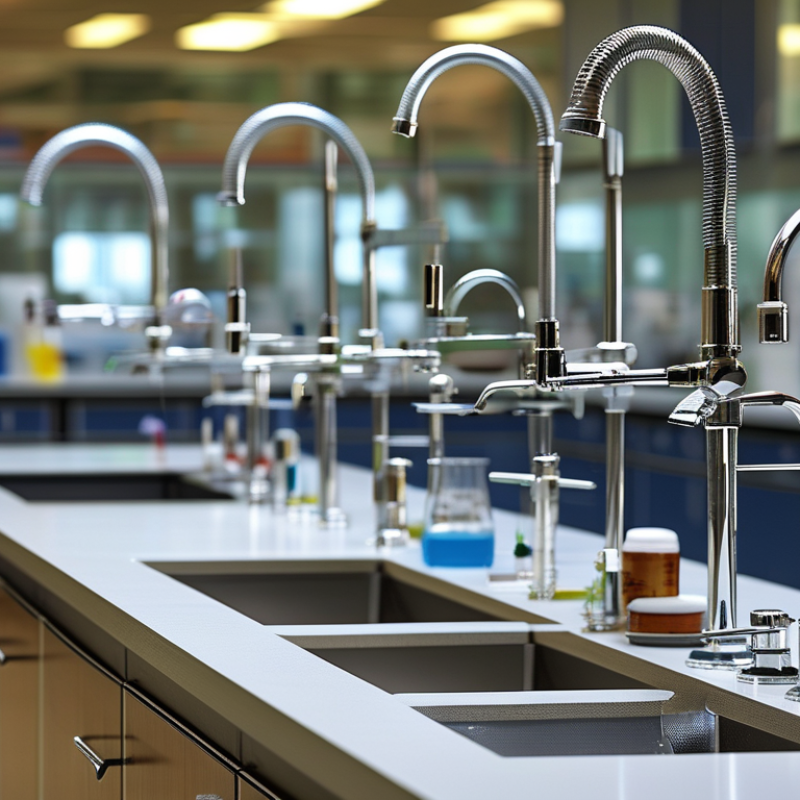
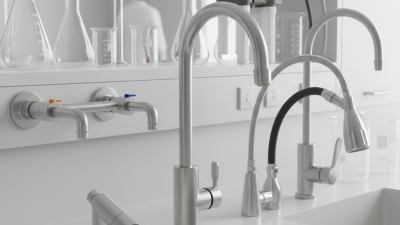
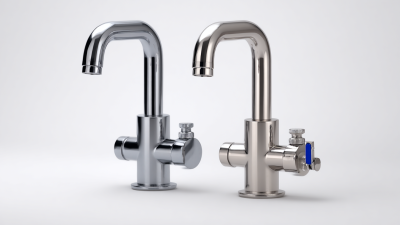
Why Choose the Best Laboratory Tap for Your Needs?
Choosing the right laboratory tap is crucial for any lab environment. A high-quality laboratory tap ensures precise control over fluid flow. It can prevent spills and maintain safety standards. The performance of your tap can directly influence experimentation outcomes.
Many users overlook critical features when selecting a laboratory tap. Factors like material, fit, and ease of installation play significant roles. An inappropriate choice could lead to leaks or contamination. It's not just about functionality but also about longevity and reliability.
In a laboratory setting, every detail matters. The right laboratory tap optimizes daily operations. It can enhance the efficiency of procedures and protect valuable resources. Investing in a high-quality tap may seem like a small detail, but it can have lasting impacts. Reflecting on these choices is essential for maintaining quality in your work.
Why Understanding Laboratory Tap Specifications is Crucial for Efficiency
Laboratory taps are essential for efficient workflows. Understanding their specifications can significantly impact the quality of your experiments. A well-chosen tap ensures precise fluid control, which is crucial in a lab setting. The material, design, and compatibility with your equipment directly affect performance.
Many users overlook how different materials react to various chemicals. For instance, certain metals corrode quickly, potentially contaminating your samples. Regular checks are needed to identify wear and tear. A tap that seems functional might still create issues down the line. Choosing a reliable tap can minimize these risks, yet it requires careful attention to detail.
Moreover, the flow rate and pressure ratings are critical. A tap that is too slow can hinder productivity, while excessive pressure can lead to spills. Knowing these aspects helps in selecting the right product. Not all laboratory environments are the same, so considerations vary by use case. A tap that works well in one setting might falter in another, prompting further investigation.
Why Choose the Best Laboratory Tap for Your Needs? - Why Understanding Laboratory Tap Specifications is Crucial for Efficiency
| Specification |
Description |
Importance |
| Material |
Common materials include brass, stainless steel, and plastic. |
Material affects durability and resistance to chemicals. |
| Flow Rate |
Measured in liters per minute (LPM); indicates how fast water flows. |
Higher flow rates can improve lab efficiency. |
| Temperature Rating |
Indicates maximum and minimum operating temperatures. |
Essential for applications involving hot or cold liquids. |
| Connection Size |
Common sizes include 1/2 inch, 3/4 inch for fittings. |
Compatibility with existing plumbing is crucial. |
| Spout Height |
The vertical distance from bench to spout tip. |
Affects usability, especially with larger containers. |
| Control Type |
Types include single handle, dual handle, and foot pedal. |
Ease of use and convenience vary by control type. |
Key Considerations: Material Composition and Durability in Lab Taps
When selecting a laboratory tap, material composition and durability are crucial factors.
Stainless steel is a popular choice for lab environments. It offers excellent resistance to corrosion, which is vital when dealing with various chemicals. However, not all stainless steel is equal. The grade of steel can affect both longevity and safety. Selecting the right grade is essential for ensuring a reliable fixture.
In contrast, plastic taps can be lightweight and resistant to certain acids. Yet, they may not withstand high temperatures or aggressive solvents. Users must weigh the pros and cons of each option. A heavy-duty design can be beneficial in high-traffic labs, but it might be overkill for less demanding tasks. It's important to assess your specific needs carefully.
Durability is another critical consideration. A tap must withstand daily wear and tear. Frequent repairs can be costly and disruptive. Therefore, looking for taps with robust construction and reliable seals can save time and money in the long run. Some users overlook these aspects and face unexpected issues down the line. It's essential to choose wisely and consider the potential impact of your decisions.
Comparative Analysis: Choosing Between Faucets for Different Laboratory Needs
When selecting a laboratory tap, it’s crucial to evaluate specific needs. Different lab environments demand varied faucet features. For instance, a chemistry lab might require a durable tap that can withstand corrosive substances. In contrast, a biological lab may prioritize easy cleaning to ensure sterility.
Comparative analysis helps in making informed decisions. Some faucets offer adjustable flow rates, which can benefit precision work. Others might feature ergonomic designs that enhance user comfort during prolonged use. However, the plethora of options can be overwhelming. Evaluating durability, ease of installation, and maintenance needs is essential. Lab technicians often discover that what seems ideal may not fit their daily routines perfectly. Reflecting on past experiences can guide better choices.
User feedback on different faucets often highlights issues like leaks or poor water pressure. These concerns remind us to consider real-world applications over theoretical advantages. Balancing functionality with cost is also a challenge worth exploring. Ultimately, each lab's unique demands shape the choice of the best tap for its operations.
Impact of Ergonomic Design on User Experience in Laboratory Settings
In laboratory environments, ergonomics plays a crucial role in user experience. The design of laboratory taps significantly affects how easily and efficiently users can perform tasks. An ergonomic design reduces strain on the body, allowing for more comfortable operations. When taps are easy to reach and operate, it minimizes the risk of repetitive stress injuries.
Consider the height and positioning of laboratory taps. If a tap is too high or too far, it can lead to awkward movements. This can create frustration and slow down workflow. Simple adjustments, like lever designs or integrated sensors, can enhance accessibility. These features make it easier to use the tap without excessive force, benefiting users in high-paced settings.
Reflecting on user experience, it's vital to engage with end-users during the selection process. Their insights can highlight the nuances of daily use that may not be obvious to designers. A well-designed tap is not just about aesthetics; it’s about practical functionality that enhances safety and efficiency. By focusing on these details, laboratories can create a more effective environment.
Cost-Benefit Analysis: Investing in Quality Laboratory Taps for Longevity
When considering laboratory taps, a cost-benefit analysis becomes essential. Investing in high-quality laboratory taps can lead to significant savings over time. According to a recent industry report, durable taps can reduce maintenance costs by up to 30%. This reduction stems from fewer repairs and replacements needed over their lifespan.
Moreover, a study indicates that cheaper taps often fail within the first two years. This frequent replacement not only increases costs but also disrupts laboratory operations. Quality taps, on the other hand, are designed to last longer and withstand rigorous use. They minimize downtime, allowing researchers to focus on their work rather than equipment failures.
However, the initial investment in quality laboratory taps might seem higher. Yet, a reliable tap can last five to ten years, creating a favorable long-term cost outlook. It's crucial to weigh upfront costs against potential future expenses. Making an informed decision will ultimately enhance laboratory efficiency. Each laboratory's unique needs should guide this investment. Reflecting on these aspects can help ensure optimal functionality and reliability in your lab.