How to Choose the Best Laboratory Tap for Your Needs?
Choosing the right Laboratory Tap is crucial for any lab setup. It directly impacts efficiency and safety. A reliable tap allows for better control of water flow, essential for experiments.
Lab environments demand specific requirements. Different types of taps serve varying purposes. Your choice should reflect your laboratory's unique needs. Quality taps last longer and reduce downtime, yet they can be expensive. It’s essential to balance cost and functionality.
Consider the materials used in the tap. They must resist chemicals and corrosion. Look for taps that meet industry standards. Sometimes, less expensive options may compromise safety. Researching available options and asking for expert opinions can help in making informed decisions.
Understanding the Different Types of Laboratory Taps Available
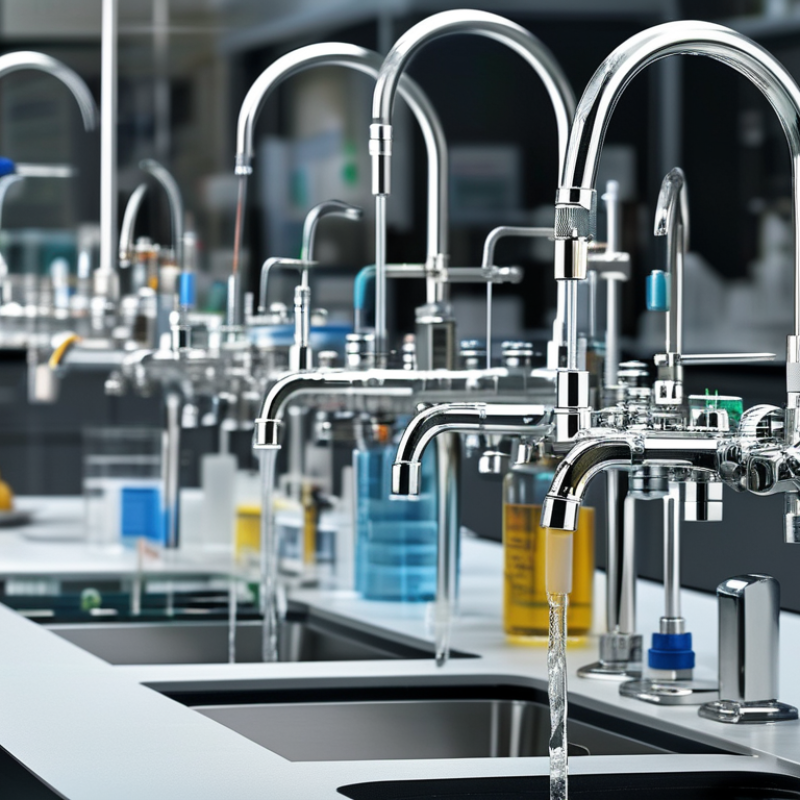
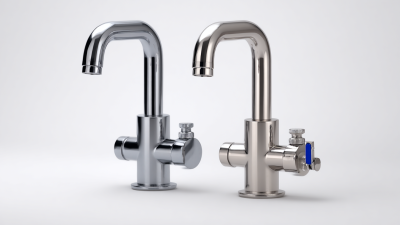
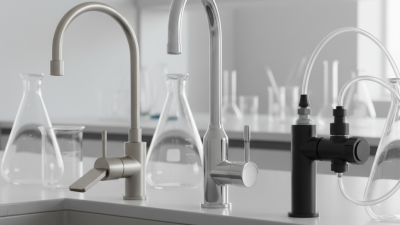
When choosing a laboratory tap, it’s crucial to understand the types available. Each type serves unique purposes and features distinct functionalities. Common variations include wall-mounted taps, pillar taps, and hood taps. Wall-mounted taps are ideal for saving counter space, while pillar taps provide easy accessibility. Meanwhile, hood taps are designed for fume hoods, enhancing safety by keeping hazardous materials contained.
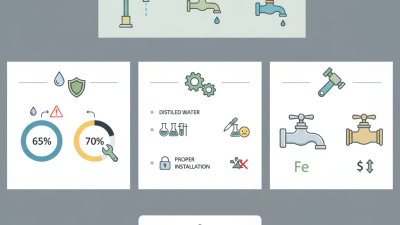
Selecting the right tap also involves considering materials. Taps made of stainless steel are resistant to corrosion and easy to clean. According to industry reports, 70% of laboratory accidents stem from improper equipment usage. Using higher quality taps can mitigate this risk.
Look for taps with ergonomic designs. They reduce user fatigue and improve efficiency. Regular maintenance checks can also prevent leaks and ensure longevity. Analyze specific lab requirements before funding any purchase decisions. Choosing based solely on initial cost can lead to unforeseen expenses later.
Comparison of Different Types of Laboratory Taps
Evaluating Material Options for Durability and Chemical Resistance
When selecting a laboratory tap, material choice is crucial for ensuring durability and chemical resistance. Common materials include stainless steel, polypropylene, and glass. Stainless steel is favored for its strength and resistance to corrosion. It can withstand various harsh chemicals, making it ideal for laboratories. However, it can be prone to scratching and may show fingerprints easily. Regular maintenance is necessary to keep it looking pristine.
Polypropylene offers excellent chemical resistance and is lightweight. It can handle acidic and alkaline substances, promoting safety in lab environments. This material, however, can be less durable under mechanical stress. Evaluating its application is key. While glass taps provide aesthetic appeal and are chemically inert, they are fragile and may not be suitable for busy labs.
Reflecting on these materials requires careful consideration of lab needs. A durable tap stands the test of time, but trade-offs exist. Users should weigh longevity against potential hazards with different materials. This balancing act can lead to the best decision for your laboratory environment. Choosing the right tap is not just about its appearance; it’s about how it functions under pressure.
How to Choose the Best Laboratory Tap for Your Needs?
| Material |
Durability |
Chemical Resistance |
Weight |
Cost |
| Stainless Steel |
High |
Excellent |
Heavy |
$$$ |
| PVC |
Medium |
Good |
Light |
$ |
| Bronze |
High |
Good |
Medium |
$$ |
| Glass |
Low |
Varies |
Very Light |
$$$$ |
| Polypropylene |
Medium |
Very Good |
Light |
$ |
Assessing Flow Rate and Pressure Requirements for Your Laboratory
Choosing the right laboratory tap is crucial for effective workflows. One significant aspect to consider is the flow rate. Flow rate must match your specific experimental needs. High flow rates work well for tasks that require quick filling. Conversely, slow flow rates are ideal for precise applications. Understanding these requirements is essential to avoid issues in your work.
Pressure is another critical factor. Adequate water pressure ensures smooth operation. Fluctuations in pressure can lead to inconsistent flow, which might disrupt experiments. Assess your laboratory’s existing water pressure before selecting a tap. Evaluate whether it meets your expectations for various tasks. Proper assessment of pressure can prevent headaches later on.
Consider your laboratory’s layout too. A conveniently placed tap improves efficiency. It minimizes disruptions and maximizes productivity. Remember, the right tap enhances both safety and performance. Take the time to research options that align with your flow and pressure needs. A little reflection on these elements goes a long way in strengthening your laboratory’s capabilities.
Identifying Key Features for Functionality and Ease of Use
Choosing the right laboratory tap can enhance both functionality and ease of use in a workspace. When assessing your needs, consider the material and durability of the tap. Stainless steel options often provide longevity, but look for features like corrosion resistance. This can ensure that the equipment remains reliable over time, reducing the risk of contamination.
Next, think about the tap design and operation. Ergonomic handles and easy-to-use controls can improve daily tasks. A lever design might seem convenient, but it can be problematic if not placed correctly. For some users, a traditional twist handle may offer better control. Reflecting on your workspace layout is crucial. Is there enough room to operate the tap comfortably? Items like splash guards can be beneficial in preventing messes.
Finally, evaluate the installation requirements. Some laboratory taps need specific plumbing configurations. Understanding this can save you time and frustration during setup. If installation seems tedious, consider seeking professional assistance. This extra step can help ensure that your tap performs optimally. Making informed choices will ultimately lead to a more efficient laboratory experience.
Considering Installation and Maintenance Needs for Laboratory Taps
When selecting a laboratory tap, installation and maintenance are crucial factors. It is essential to understand the complexities of your laboratory setup. Are you working with high-pressure systems? Will the tap be installed in a confined space? Proper assessment will save time and reduce frustrations during installation. A poorly placed tap can lead to continual adjustments or even leaks, underscoring the importance of thorough planning.
Maintenance needs also deserve attention. Laboratory taps can accumulate residue and contaminants. Routine cleaning is vital for functionality. Look for designs that allow easy disassembly for thorough cleaning. Some taps require specialized tools for maintenance, presenting challenges. Consider how often maintenance will be needed based on your usage. Frequent use may lead to wear and corrosion, impacting performance over time.
Regular inspections are necessary to ensure taps function correctly. Early detection of issues prevents costly repairs down the line. Familiarity with the tap's components aids in quick fixes and enhances reliability. Each laboratory may have unique requirements, so adapting maintenance routines accordingly is advisable. Remember, a well-maintained tap promotes a safer and more efficient lab environment.