Top Laboratory Furniture Manufacturer for Global Buyers?
In today's rapidly evolving scientific landscape, selecting the right Laboratory Furniture Manufacturer is paramount. A recent market report highlights that the global laboratory furniture market is projected to reach $1.5 billion by 2025, driven by increasing research activities and the demand for efficient lab environments. The need for functional and adaptable laboratory furniture cannot be overstated, as it directly impacts workflow efficiency and safety.
Laboratory spaces require tailored solutions to accommodate diverse needs. Yet, many buyers remain uncertain about which manufacturers can provide the best solutions. Addressing this question involves not only understanding product quality but also evaluating the manufacturer’s experience and track record. A credible manufacturer should exhibit expertise in materials, design, and customization, ensuring their products meet specific regulatory standards.
However, with many manufacturers claiming to be leaders in this space, discernment is crucial. Not all offerings meet the rigorous demands of modern laboratories. Potential buyers should approach their choices reflectively. An analysis of market options and thorough vetting of manufacturers can yield substantial rewards. Ultimately, careful selection ensures that laboratories are well-equipped for future challenges.
The Global Laboratory Furniture Market: An Overview of Growth Trends
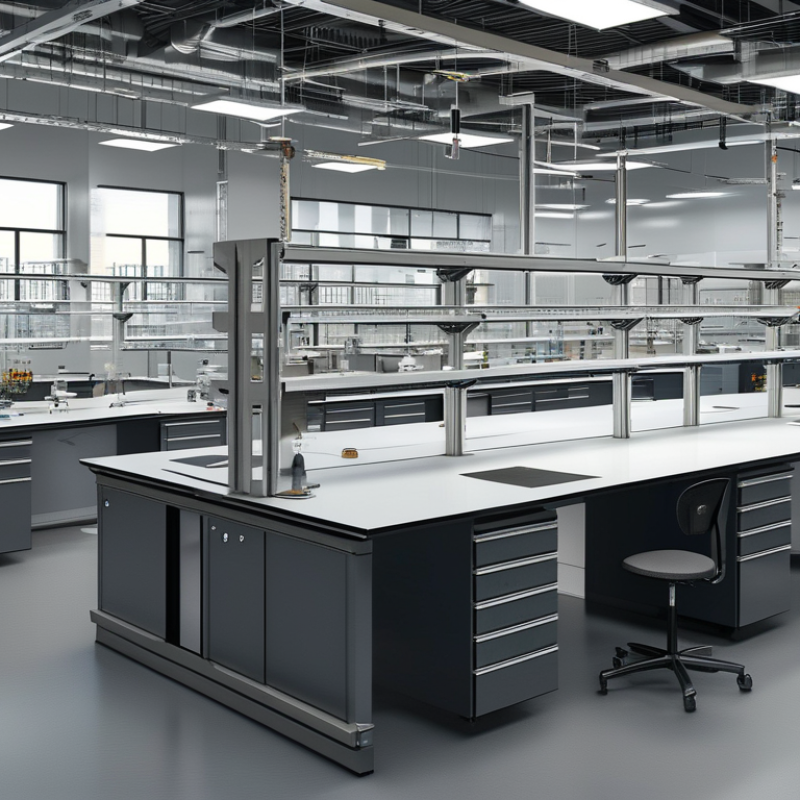
The global laboratory furniture market shows significant growth trends driven by various factors. Increasing investments in research and development are a major contributor. Laboratories require specific designs that prioritize functionality and safety. This need influences manufacturers to innovate constantly.
Sustainability is another key trend. Eco-friendly materials are now in demand. Buyers are looking for furniture that meets environmental standards. However, not every manufacturer is ready to adopt these practices. Some still prioritize cost over sustainability, which raises questions about their long-term reliability.
In addition, customization is becoming essential in laboratory furniture design. Different labs have unique requirements. This demand challenges manufacturers to create flexible solutions. Yet, not all players in the industry can keep up with these needs. Striking a balance between aesthetics and functionality often remains a hurdle. Such dynamics highlight the evolving nature of the laboratory furniture market.
Key Factors Driving Demand for Laboratory Furniture Worldwide
The demand for laboratory furniture is growing globally. This surge stems from advancements in the life sciences and increased laboratory space requirements. According to a recent report by Grand View Research, the global laboratory furniture market is projected to reach $15 billion by 2025. Factors like increased investment in research and development play a crucial role in this trend.
Laboratory safety is another significant driver. New regulations emphasize the importance of ergonomic and compliant furniture. Furniture that enables efficient workflows can enhance productivity. It’s clear: the right design impacts both safety and performance.
Tips: Consider investing in adjustable furniture. It accommodates various user heights.
Innovation in materials also influences purchasing decisions. Sustainable and durable materials attract buyers. However, some organizations still hesitate to update old furniture. This reluctance can hinder progress.
Tips: Regular assessments can identify outdated furniture. This ensures your laboratory stays competitive.
The intersection of technology and laboratory design continues to evolve. Intelligent designs can foster better collaboration and efficiency. Understanding these factors is vital for making informed decisions in choosing laboratory furniture.
Top Manufacturers: Market Share and Competitive Analysis
In the dynamic landscape of laboratory furniture manufacturing, understanding market share is crucial. Various manufacturers compete rigorously, each claiming a slice of the pie. This competition shapes innovation and safety standards in laboratory environments. Buyers should examine how these companies differentiate themselves through product quality, design, and sustainability efforts.
The market is characterized by several key players, each offering unique advantages. Some prioritize ergonomic designs, while others focus on material durability. However, not every manufacturer meets the rigorous standards expected in modern labs. A lack of transparency in material sourcing can raise concerns about ethical practices. Buyers need to conduct thorough research to avoid pitfalls associated with lower-quality manufacturers.
Competitive analysis reveals insights beyond the surface. Manufacturers also engage in sustainability initiatives, which can significantly impact their market positioning. Some invest in eco-friendly materials while others overlook this vital aspect. Buyers should question how these practices influence overall value. A critical approach can lead to informed choices, ensuring that laboratory environments are safe, functional, and responsible.
Top Laboratory Furniture Manufacturer for Global Buyers? - Top Manufacturers: Market Share and Competitive Analysis
| Manufacturer |
Market Share (%) |
Annual Revenue (Million $) |
Number of Employees |
Years Established |
| Manufacturer A |
21.5 |
500 |
2000 |
25 |
| Manufacturer B |
18.3 |
450 |
150 |
30 |
| Manufacturer C |
15.2 |
400 |
120 |
20 |
| Manufacturer D |
13.7 |
350 |
95 |
15 |
| Manufacturer E |
10.3 |
300 |
80 |
10 |
Innovative Designs and Materials in Laboratory Furniture Manufacturing
When it comes to laboratory furniture, innovative designs and materials play a pivotal role. Modern labs need equipment that not only functions well but also enhances productivity. The choice of materials can affect durability, usability, and maintenance. Stainless steel, phenolic resin, and epoxy are popular for their resistance to chemicals and easy cleaning.
Tips: Consider the layout before selecting furniture. Ensure there is ample space for movement and accessibility. Think about ergonomics; furniture should cater to comfort and prevent strain during long hours.
Furniture designs are evolving. Modular options allow flexibility in configuring workspaces. They can adapt to various tasks, which is valuable in a dynamic lab environment. However, it’s crucial to assess the quality of construction. Sometimes, cheaper designs compromise stability, leading to unexpected challenges.
Tips: Look for suppliers with a proven track record. Reading reviews can provide insight into reliability. Don’t hesitate to ask for samples to evaluate material quality before making a decision.
Sustainability in Laboratory Furniture: Trends and Best Practices
Sustainability is transforming laboratory furniture design. Many manufacturers are adopting eco-friendly materials. The global laboratory furniture market will reach $4.8 billion by 2026, highlighting this trend. Among new materials, recycled steel and bamboo are gaining traction. These materials are both durable and sustainable.
Energy efficiency in laboratory design is essential. Recent studies show that labs consume twice the energy of standard buildings. Incorporating LED lighting and energy-efficient appliances can cut energy costs by 30%. This is crucial not just for savings but also for reducing environmental impact.
Tips: Consider the lifecycle of your furniture. Look for manufacturers who prioritize sustainable sourcing. Also, assess your furniture’s energy consumption to find potential savings. Regular maintenance can further prolong the life of your lab equipment, ensuring fewer resources are used over time. Embrace these trends to lead in laboratory efficiency while promoting sustainability.