Top Laboratory Furniture Manufacturer Trends for 2026?
The laboratory furniture industry is evolving rapidly. As we approach 2026, trends will shape how laboratories function. Laboratory Furniture Manufacturers play a crucial role in this transformation.
Sustainability is a key trend. Manufacturers are prioritizing eco-friendly materials and designs. This shift reflects laboratory needs for a greener image. Ergonomics is also gaining importance. Comfortable, adjustable furniture improves productivity. However, not every manufacturer embraces these changes effectively.
Innovation in technology cannot be ignored. Smart furniture integrates tech features, enhancing lab efficiency. Yet, many manufacturers struggle to keep pace with these advancements. Understanding user needs remains essential, but not all companies are adapting. This introduces a gap worth exploring. Each trend presents opportunities and challenges for Laboratory Furniture Manufacturers as they navigate the future landscape.
Emerging Technologies Shaping Laboratory Furniture Design in 2026
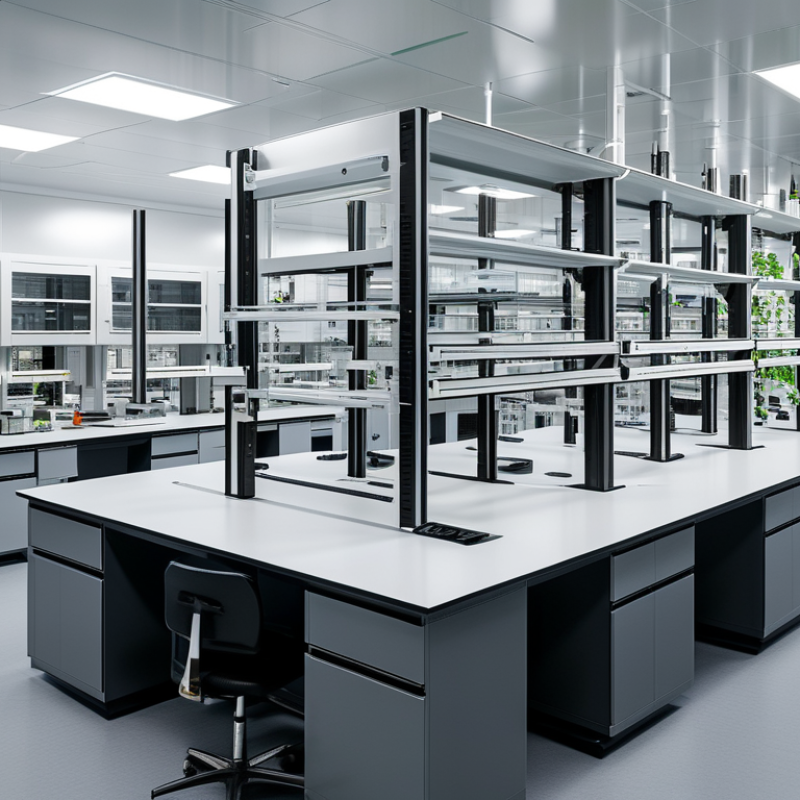
Emerging technologies are transforming laboratory furniture design in 2026. Smart furniture is becoming increasingly popular, integrating sensors and automation. This can optimize workspace functionality and adapt to varying lab needs. According to recent industry reports, the smart furniture market is expected to grow by over 25% annually. This growth reflects advancements in IoT and data-driven design.
Sustainability is another key trend. Labs are seeking eco-friendly materials and energy-efficient designs. Research indicates that laboratories account for about 20% of a building's energy use. By incorporating sustainable practices, facilities can drastically reduce their carbon footprint. Incorporating recycled materials and modular designs helps improve adaptability and maintainability.
However, not all innovations are flawless. The integration of smart technology requires ongoing maintenance and staff training. Many labs report challenges in adapting to new systems. Balancing cutting-edge design with practicality remains a concern. Industry experts suggest continuous feedback from lab users to refine design processes. This ensures that innovations meet user needs effectively while remaining user-friendly.
Sustainability Practices Influencing Laboratory Furniture Manufacturing Trends
As the demand for sustainable practices grows, laboratory furniture manufacturing is evolving. A key trend is the shift towards eco-friendly materials. Manufacturers are exploring alternatives to traditional plastics and laminates. Recycled materials are becoming more common in workbenches and storage units. This approach reduces waste and minimizes the carbon footprint.
Design also reflects sustainability. Ergonomic designs now incorporate energy-efficient features. For instance, LED lighting integrated into furniture saves energy and enhances workspace. However, this transition is not flawless. Many manufacturers face challenges in sourcing sustainable materials consistently. The balance between quality and environmental responsibility often raises questions.
Collaboration with environmental experts is crucial. Manufacturers must seek feedback on their practices. Investing in sustainable technology can be costly, yet the long-term benefits are significant. The industry must continue evolving, as the need for sustainable practices grows. Crafting a truly eco-friendly laboratory may take time and reflection.
Customization and Modular Solutions in Laboratory Furniture for Modern Labs
Laboratory furniture trends are evolving rapidly, particularly with a focus on customization and modular solutions. Research indicates that by 2026, the demand for customizable lab furniture will increase by 30%. This shift stems from the need for flexible workspaces in modern labs, where research requirements constantly change. Modular furniture allows labs to adapt easily to new projects or technologies, improving efficiency.
Customization is essential in laboratory settings. Standard furniture often fails to meet specific needs. Adaptable designs can be tailored to fit unique tasks or equipment. According to a report by the Laboratory Furniture Manufacturers Association, 58% of labs express a strong desire for bespoke solutions. Such options foster a sense of ownership and enhance workflow.
Tip: Consider your lab’s future needs when selecting furniture. Look for pieces that can be easily reconfigured as your work evolves. This flexibility can save money down the line.
Another key consideration is durability. Furniture must withstand harsh lab environments. Yet, balance this with the need for aesthetics. A well-designed space can encourage creativity. Many labs overlook how the physical environment affects employee productivity. Reflect on your current space and explore how modular solutions can improve it.
Top Laboratory Furniture Manufacturer Trends for 2026
Healthcare and Biotech Sector Demands Driving Laboratory Furniture Innovation
The healthcare and biotech sectors are evolving rapidly. Their demand for high-quality laboratory furniture is increasing. As a result, manufacturers must innovate to meet these needs. Labs require furniture that supports advanced technology and efficient workflows. Space optimization is also crucial. Long, shared benches may become less common as personalized workspaces gain popularity.
Another trend is in sustainability. Healthcare organizations are focusing on eco-friendly materials for their laboratory furniture. This shift encourages manufacturers to explore renewable resources. However, it can complicate the production process. Achieving the right balance between sustainability and functionality is no small feat. Designers must also ensure safety compliance, which can limit creativity.
Moreover, customization is becoming essential. Different labs have unique needs depending on their research focus. Generic solutions often fall short. Custom-built furniture can enhance productivity but may increase costs. This requires manufacturers to rethink their pricing strategies. Addressing these challenges will demand collaboration between various stakeholders in the industry.
Safety Regulations and Compliance Trends Affecting Laboratory Furniture Design
In 2026, the landscape of laboratory furniture will be heavily influenced by evolving safety regulations. Compliance is now a priority for laboratories. Regulations dictate the materials used and the design of workspaces. For instance, chemical-resistant surfaces are becoming essential in labs handling hazardous materials. These surfaces not only increase safety but also enhance durability.
Moreover, ergonomic design is gaining traction in laboratory settings. Research shows that ergonomic workspaces improve productivity and reduce injury rates. Adjustable furniture can accommodate various user heights. This adaptability is especially crucial in diverse lab environments. However, it can complicate design processes. If furniture lacks proper adjustability or support, it may lead to discomfort and inefficiency.
Lab managers must consider these aspects carefully. As regulations tighten, non-compliance could lead to significant legal liabilities. The challenge lies in balancing safety, functionality, and user comfort. While innovative designs are in demand, their practicality should not be overlooked. Failure to address these issues may result in subpar lab setups that do not meet current needs.