2026 Best Pp Lab Furniture for Global Buyers to Consider?
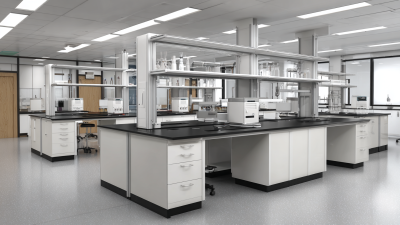
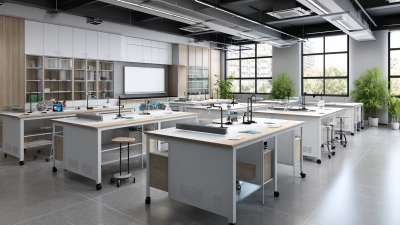
As the demand for efficient laboratory environments increases, the choice of lab furniture becomes crucial. Pp Lab Furniture has emerged as a key player in providing durable and functional solutions. For global buyers considering their options, it's essential to understand the features that enhance both utility and comfort in lab settings.
Many laboratories are seeking designs that promote collaboration. Pp Lab Furniture offers configurations that suit diverse workflows. This adaptability can significantly impact productivity. However, not all furniture is created equal. Measurement and material quality must be examined carefully to ensure longevity.
Investing in Pp Lab Furniture goes beyond aesthetics. Buyers should assess the furniture’s capacity to withstand chemical exposure and wear. While some products may boast high performance, understanding the fine print is vital. Overall, making informed decisions is imperative for creating an effective laboratory space.
Overview of PP Lab Furniture and Its Global Significance
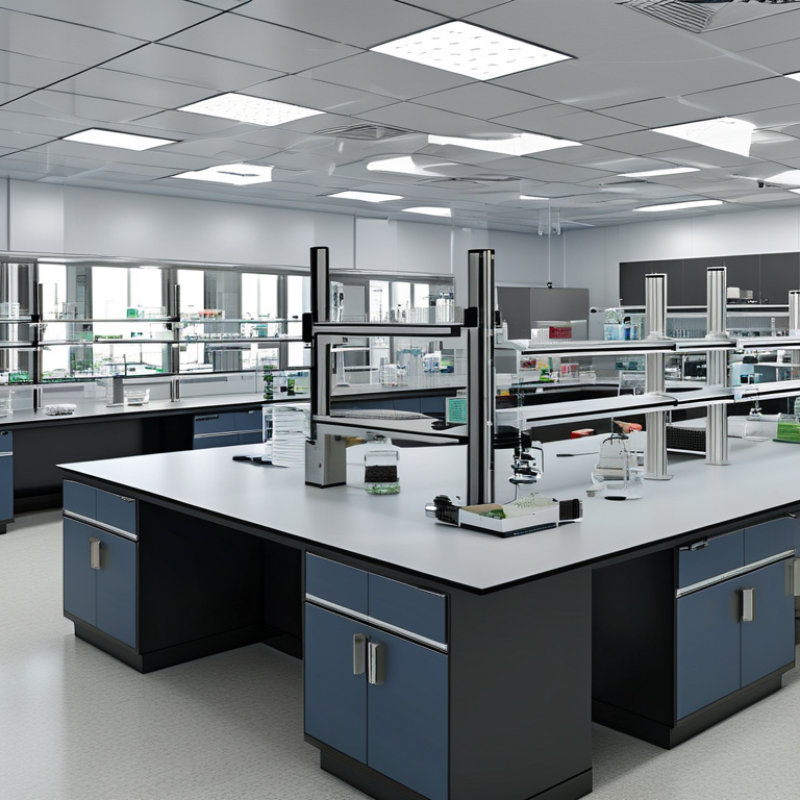
PP lab furniture is essential in modern laboratories. These pieces are often made from polypropylene, which offers durability. In a lab setting, furniture must withstand chemicals and resist staining. PP furniture also provides a lightweight and versatile option, favorable for diverse laboratory needs.
Global significance lies in the adaptability of PP lab furniture. Different industries, from pharmaceuticals to education, use this material. However, not all manufacturers prioritize quality. Some may focus solely on price, leading to reduced durability. Buyers should be cautious and scrutinize product specifications.
Furthermore, environmental considerations are essential. While polypropylene is durable, it is a plastic that can impact the environment. Some stakeholders question the long-term sustainability of these materials. Exploring recycled or eco-friendly alternatives can be vital in promoting responsible consumption. Balancing quality, cost, and environmental impact is crucial for global buyers.
2026 Best PP Lab Furniture for Global Buyers to Consider
| Item |
Material |
Dimensions (cm) |
Weight (kg) |
Price (USD) |
| Workbench |
Polypropylene |
150 x 75 x 90 |
50 |
350 |
| Storage Cabinet |
Polypropylene |
100 x 50 x 180 |
40 |
250 |
| Fume Hood |
Polypropylene |
120 x 75 x 200 |
70 |
1200 |
| Lab Stool |
Polypropylene |
45 x 45 x 75 |
5 |
80 |
| Sink Unit |
Polypropylene |
100 x 50 x 90 |
30 |
400 |
Key Features and Benefits of PP Lab Furniture for Laboratories
When selecting lab furniture, Polypropylene (PP) options stand out. They offer durability, resistance to chemicals, and affordability. These traits make PP furniture ideal for various laboratory environments. For instance, in a chemistry lab, the risk of spills is high. PP furniture can withstand harsh chemicals without deteriorating. This longevity translates to cost savings over time.
Another significant advantage of PP lab furniture is its lightweight nature. Moving and rearranging is effortless, enhancing lab workflow. Moreover, the non-porous surface is easy to clean and sterilize. This is crucial for maintaining hygienic conditions in any laboratory setting. While PP might not offer the aesthetic appeal of wood or metal, its practical benefits outweigh this limitation.
However, potential buyers should consider specific needs. Not every lab environment suits PP furniture. High-temperature applications can pose risks. Researching the right furniture aligns with laboratory demands. Each laboratory has unique challenges that influence furniture choice. Re-evaluating these selections can lead to better outcomes.
Factors to Consider When Selecting PP Lab Furniture
When selecting PP lab furniture, several key factors must be considered. The material quality is crucial. Polypropylene is known for its durability and chemical resistance. This makes it an excellent choice for labs handling varying substances. However, it’s essential to check for certifications and compliance with industry standards to ensure safety and reliability.
Ergonomics is another critical aspect. Furniture that promotes comfort can contribute to better productivity. An adjustable table might be beneficial for different users. Proper height and design prevent strain and enhance work efficiency.
Here are some tips for buyers:
- Test the furniture before making a decision.
- Look for modular designs that adapt to changing needs.
- Ask for user feedback regarding durability and comfort over time.
It's also valuable to reflect on how furniture impacts lab workflows. Are the setups conducive to teamwork and collaboration? Evaluating these factors holistically can lead to a
more effective laboratory environment.
Top Brands and Manufacturers of PP Lab Furniture in 2026
When exploring the landscape of PP lab furniture in 2026, various brands stand out for their innovation and quality. According to a recent report by Market Insights, the global demand for laboratory furniture is projected to grow by 6.5% annually. This growth indicates a rising recognition of the importance of functional and durable laboratory environments.
Manufacturers are increasingly focusing on ergonomic designs and sustainable materials. PP lab furniture offers durability and chemical resistance, which are essential in modern laboratories. Buyers should consider that while many products meet industry standards, some may vary in quality. Not all manufacturers provide transparency about their materials and processes, which can lead to confusion.
Tips: Always check for certifications before purchasing lab furniture. Look for brands that prioritize eco-friendly production methods. User reviews can also be insightful; seek out those detailing long-term use experiences to gauge reliability. Over time, the value of furniture may diminish if not maintained properly, so consider longevity as an investment.
Sustainability and Innovation Trends in PP Lab Furniture Design
Sustainability is a key trend in the design of polypropylene (PP) lab furniture. Recent data shows that over 70% of lab managers prioritize eco-friendly materials. The demand for sustainable products is growing significantly. Lab furniture made from PP is gaining traction. It offers durability, ease of cleaning, and a lower environmental impact compared to traditional materials.
Innovative design is also essential. Reports indicate that labs are increasingly adopting modular furniture systems. These systems allow for flexible configurations. This adaptability meets the changing needs of modern labs. However, the industry still faces challenges. Many designers struggle to balance functionality with sustainability. There is ongoing debate about what constitutes true eco-friendliness in lab furniture.
Consumer awareness is rising. Buyers now seek transparency about sourcing and manufacturing processes. A recent survey revealed that 65% of buyers are willing to pay more for sustainably sourced products. Despite this, not all manufacturers can provide clear information. This lack of transparency raises questions. It highlights the need for stricter industry standards and guidelines. As the trend towards sustainability continues, innovation must follow suit.