Top 10 Physics Lab Furniture for Global Buyers to Consider?
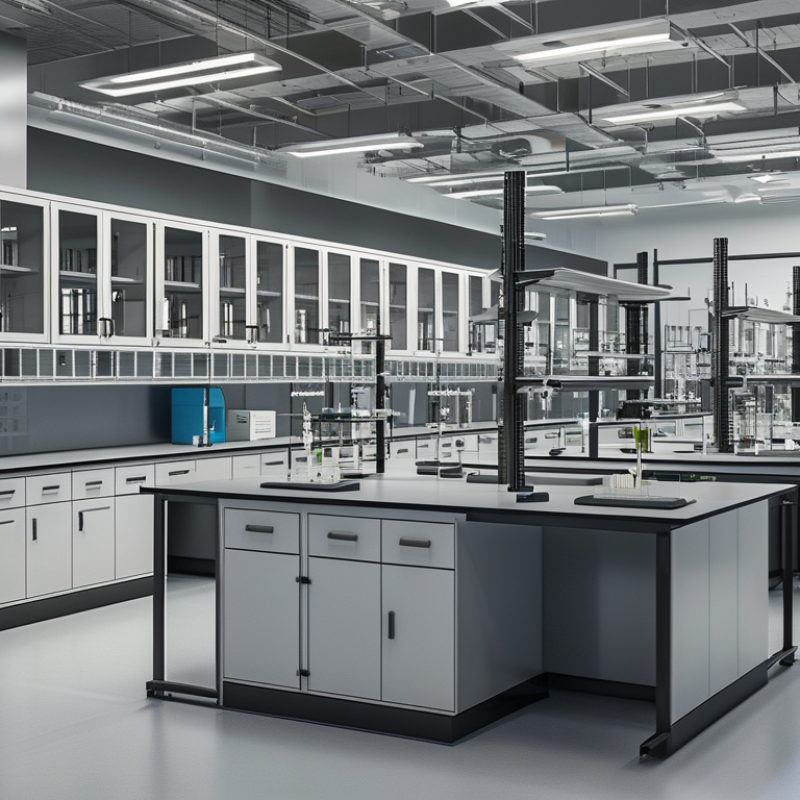
When setting up a physics lab, choosing the right furniture is crucial. The quality of Physics Lab Furniture can significantly impact both functionality and safety. It requires a detailed understanding of lab needs and workflows.
From lab benches to storage units, each piece plays a key role. Selecting durable and ergonomic options ensures that experiments run smoothly. Buyers must consider not only aesthetics but also how these furnishings enhance collaboration and efficiency.
Researching various suppliers is essential for making informed decisions. The best furniture meets safety standards and promotes a conducive work environment. Evaluate options based on material quality and ease of maintenance. In this dynamic landscape, creating a well-equipped lab is an ongoing process. It involves reflection and adaptability to evolving educational demands.
Top 10 Essential Features of Physics Lab Furniture for Efficiency
When selecting physics lab furniture, efficiency is key. Look for adjustable work surfaces. These surfaces cater to varying heights and preferences. This adaptability promotes comfort and enhances productivity. Consider furniture made from durable, chemical-resistant materials. With frequent experiments, wear and tear is inevitable. Choosing furniture that withstands such conditions minimizes long-term costs.
Storage solutions are also essential. Ample storage helps keep the workspace organized. Drawers should be easily accessible and spacious enough for equipment. However, not all designs prioritize ease of access. Reflect on your current layout. Are there areas that feel cluttered or disorganized? Redundant shelving can add to the chaos rather than solve it.
Incorporating mobile units can offer flexibility. These units allow for easy rearrangement of the lab setup. Mobility fosters collaboration and adaptability. Yet, not every mobile unit is equipped with locking mechanisms. This can lead to safety hazards. Evaluate the sturdiness of each piece carefully. Regular checks on wear and usability are necessary. Investing time in evaluating these features ensures a safe and efficient physics lab environment.
Analysis of Material Durability in Physics Laboratory Furniture Choices
When selecting physics lab furniture, material durability is essential. Furniture needs to withstand daily use, spills, and various chemical exposures. The choice of materials directly impacts longevity and safety. According to recent reports, lab furniture made from high-density polyethylene (HDPE) shows excellent resistance to abrasion and chemicals. This makes HDPE an ideal choice for physics laboratories.
Metal and wood also have advantages, yet their durability varies significantly. Stainless steel is resistant to corrosion, making it suitable for lab surfaces. However, wood furniture can suffer from moisture damage over time. Regular maintenance is necessary to ensure longevity. It is crucial to consider these factors in furniture selection to avoid costly replacements.
A careful assessment of available materials should guide your purchase. Evaluate their strength, resistance, and maintenance needs. Choosing the right material ensures that lab furniture remains functional over time. Before making decisions, consult industry reports for the latest durability research. This can help you make informed choices. Test the furniture whenever possible. Physical assessments can reveal flaws invisible in catalogs.
Ergonomics in Physics Lab Furniture: Enhancing User Comfort and Productivity
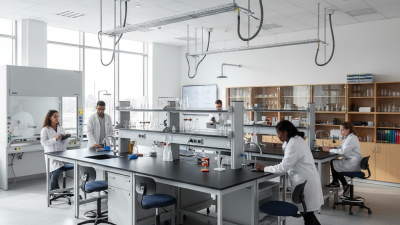
Choosing the right furniture for a physics lab is essential for both comfort and productivity. Ergonomics plays a crucial role in how users interact with their environment. Lab furniture must support prolonged use without causing discomfort. Well-designed chairs and workstations can aid in reducing fatigue. Consider adjustable desks that allow users to alternate between sitting and standing. This flexibility helps maintain energy and focus during long experiments.
It's important to focus on materials as well. Non-slip surfaces can minimize accidents during experiments, while easy-to-clean materials can enhance safety and hygiene. Look for furniture with rounded edges to prevent injuries in busy lab environments. While aesthetics are important, functionality must remain a priority. Test how different furniture pieces fit into the lab's workflow.
Pay attention to users' feedback on comfort levels. Not every design works for everyone, and customization might be necessary. Encourage regular breaks to alleviate stress from repetitive motions. Regular evaluations of furniture effectiveness should be conducted to ensure optimum usability. Safety and comfort should walk hand in hand in any physics lab.
Cost-Benefit Analysis of Investing in High-Quality Lab Furniture
When considering lab furniture, the cost-benefit analysis is essential. Investing in high-quality furniture can significantly improve operational efficiency. Durable workstations withstand heavy equipment and rigorous use. These pieces reduce the need for frequent replacements, saving money long-term. While initial costs may be higher, the longevity of materials can justify the expense.
Proper ergonomic designs enhance user comfort and productivity. When researchers can work without strain, focus on experiments increases. This leads to better results and faster project completion. However, some institutions hesitate to prioritize comfort over cost. Balancing budget constraints with quality can be challenging.
Each lab has unique needs, and choosing furniture without adequate research can lead to poor decisions. Some buyers overlook the importance of specialized storage solutions, which are crucial for safety. Investing in high-quality lab furniture isn’t just about aesthetics; it’s about creating a functional and safe environment. The right choices lead to a productive lab space, reinforcing the importance of thoughtful investment.
Cost-Benefit Analysis of Top 10 Physics Lab Furniture
Sustainability Trends in Physics Lab Furniture Manufacturing and Design
Sustainability is shaping the future of physics lab furniture design. Many manufacturers are focusing on eco-friendly materials. Bamboo, recycled metals, and bio-based plastics are increasingly used. These materials reduce environmental impact significantly. Moreover, modular designs allow labs to adapt furniture for various needs. This flexibility supports changing research areas without generating waste.
However, sustainability requires continuous improvement. Some manufacturers still rely on conventional materials that may not be eco-friendly. There is a need for more innovation in this space. Using life cycle assessments can help identify improvements. Future designs should emphasize durability as well, ensuring longevity over disposability. This approach can decrease the overall environmental footprint.
Lab furniture plays a crucial role in research efficiency. Ergonomic designs enhance scientist productivity and comfort. Yet, achieving a balance between sustainability and functionality remains a challenge. Many products still fall short in integrating both aspects effectively. The journey toward sustainable physics lab furniture is ongoing. Adapting to new trends is essential for manufacturers and users alike.
Top 10 Physics Lab Furniture for Global Buyers to Consider
| Item |
Material |
Sustainability Feature |
Key Benefits |
Price Range (USD) |
| Lab Workbench |
Recycled Metal |
100% Recyclable |
Sturdy, Versatile |
$500 - $1,200 |
| Fume Hood |
Polypropylene |
Low Energy Consumption |
Safety and Air Quality |
$2,000 - $5,000 |
| Storage Cabinets |
Bamboo |
Sustainably Sourced |
Durable, Eco-Friendly |
$300 - $800 |
| Lab Stool |
Recycled Plastic |
100% Recyclable |
Comfortable, Adjustable Height |
$100 - $300 |
| Utility Sink |
Porcelain |
Low Water Consumption |
Easy to Clean |
$150 - $400 |
| Electronics Workbench |
Recycled Steel |
Energy Efficient Design |
Stable, Supports Heavy Equipment |
$800 - $2,000 |
| Shelving Unit |
Steel |
Recyclable |
Adjustable, Heavy-Duty |
$200 - $600 |
| Laboratory Table |
Laminate |
Low VOC Emissions |
Scratch-Resistant, Easy Maintenance |
$250 - $700 |
| Safety Shower |
Stainless Steel |
Corrosion Resistant |
Durability, Easy Installation |
$500 - $1,500 |
| Biohazard Waste Bin |
HDPE |
Recyclable Material |
Safety Compliance |
$80 - $250 |