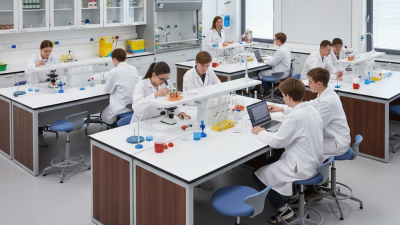
Top Science Laboratory Furniture Options for Global Buyers?
In the diverse world of laboratory environments, the importance of choosing the right Science Laboratory Furniture cannot be overstated. This furniture is not just about aesthetics; it directly affects functionality and safety. Poorly designed furniture can lead to inefficiencies and even accidents.
Global buyers face numerous options, ranging from modular benches to sophisticated storage solutions. Each piece serves a unique purpose, tailored to specific scientific needs. Careful consideration must be given to ergonomics and the workflow of lab activities. Not all furniture meets the stringent demands of modern laboratories.
Therefore, engaging with reputable suppliers becomes crucial. Strategies for selection should include not just price, but also durability, safety certifications, and customer reviews. Assessing these factors ensures that investments in Science Laboratory Furniture yield a productive and safe working environment.
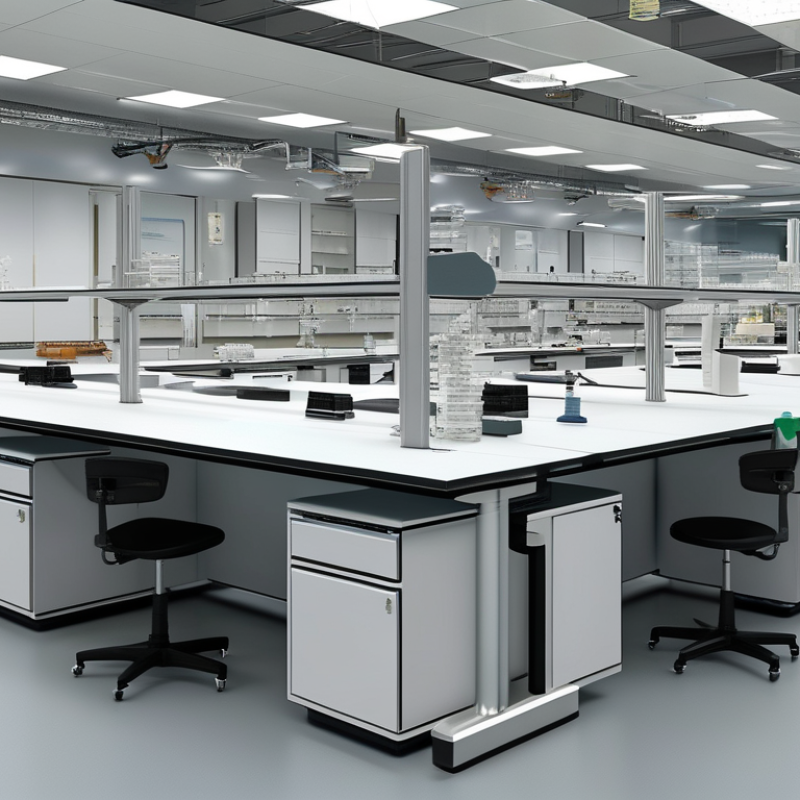
Choosing the Right Laboratory Furniture: Key Factors for Global Buyers
When selecting laboratory furniture, global buyers must consider various factors that impact functionality and safety. The layout of the lab plays a crucial role. It should facilitate workflow while ensuring easy access to all necessary equipment. Ergonomic design is also vital to prevent strain during extended tasks. Adjustable workstations can cater to different users and minimize health risks.
Materials used in laboratory furniture are another significant factor. They should withstand chemicals, spills, and rigorous use. Metal and high-pressure laminates often prove durable. The choice of color and finish can affect the environment. A clean, bright space can enhance focus and productivity. However, not all finishes are easy to maintain.
Buyers should also assess storage options. Cabinets and shelving must provide ample space without cluttering the environment. Security is an often overlooked aspect; lockable compartments can protect sensitive materials. Reflecting on these factors can lead to better decisions. Some buyers may prioritize aesthetics over functionality—a mistake that could lead to discomfort and inefficiency. Balancing style and practicality is essential for a successful lab setup.
Top Science Laboratory Furniture Options for Global Buyers
| Furniture Type |
Material |
Features |
Estimated Price Range (USD) |
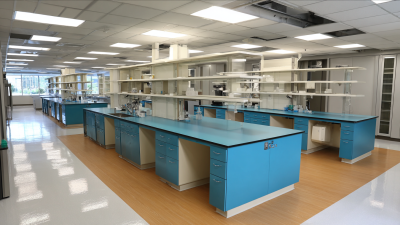
| Lab Workbench |
Laminated MDF |
Durable, chemical resistant |
500 - 1200 |
| Fume Hood |
Steel/Chemical-Resistant |
Ventilation, safety features |
2000 - 5000 |
| Storage Cabinet |
Metal |
Secure, spacious |
300 - 800 |
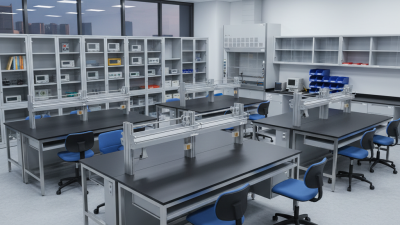
| Lab Stool |
Plastic/Metal |
Adjustable height, ergonomic |
100 - 400 |
| Sinks |
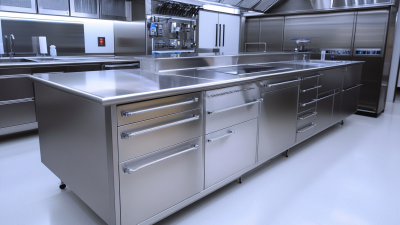
Stainless Steel |
Durable, easy to clean |
150 - 600 |
Types of Lab Furniture: Bench Systems, Storage Solutions, and More
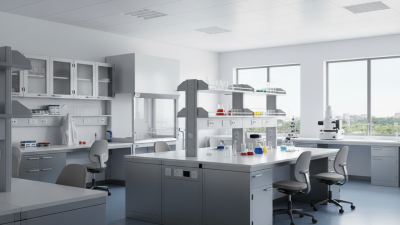
When it comes to lab environments, choosing the right furniture is crucial. Bench systems stand at the forefront of ergonomic and functional design. These systems offer adjustable heights, enabling researchers to work comfortably. They often feature durable surfaces that can withstand spills and stains. Many designs include integrated power outlets, providing convenience for equipment. However, issues can arise if the configurations do not meet specific needs. Flexibility can lead to challenges in space optimization.
Storage solutions are another essential aspect of lab furniture. Cabinets and shelving units help organize tools and materials efficiently. They provide quick access to supplies, reducing downtime. Furthermore, secure storage options protect valuable equipment. However, clutter can still accumulate if not regularly managed. Inadequate labeling or organization can lead to frustration among lab personnel. Sustainable choices in materials also raise questions about long-term durability versus environmental impact.
Incorporating collaborative spaces is gaining traction. These areas encourage teamwork and innovation. Group work zones enable brainstorming and experimentation. Nevertheless, finding the right balance between privacy and collaboration is challenging. Too much noise can disrupt focus, while excessive separation can hinder teamwork. Selecting appropriate furniture involves a careful assessment of the lab's dynamics, usability, and future growth potential.
Materials and Durability: Impact on Laboratory Safety and Productivity
When selecting laboratory furniture, materials play a crucial role in safety and productivity. Durable materials like
steel and chemically resistant laminates are preferred.
They withstand spills and impacts. A sturdy work surface can prevent accidents during experiments.
Lightweight materials may seem appealing, but they can compromise stability.
In addition to materials, the design of laboratory furniture affects workflow. Ergonomics is essential for
long hours of use. Well-designed furniture reduces fatigue and increases focus. However, not all units fit every space. Buyers
often overlook the importance of tailored solutions. Customization
can enhance functionality significantly.
Lastly, cleanliness is vital in any laboratory. Some materials are easier to clean than others. Cabinets and tables with
smooth surfaces tend to resist bacteria better. Regular maintenance is necessary to ensure longevity. It’s important to
remain mindful of how dirt and debris can impede productivity. This awareness shapes the choice of lab furniture.
Cost Analysis: Budgeting Considerations for Laboratory Furniture Purchases
When budgeting for laboratory furniture, it’s essential to consider both initial costs and long-term expenses. High-quality lab furniture may have a steeper price but can offer durability and improved safety. A lower upfront cost might look appealing, yet it could lead to higher maintenance fees. Planning for replacements or repairs should be part of your financial strategy.
Consider the specific needs of your laboratory. Different environments require different materials. For instance, chemical resistance is crucial in a chemistry lab. Conversely, a biological lab may require more stainless steel options for better sterilization. Evaluating these needs before purchasing can prevent costly mistakes in the future.
Vendors can offer a range of customization options that fit your budget. However, it’s vital to assess whether these additions genuinely meet your lab's requirements. Sometimes, simpler designs may suffice, and opting for customization can lead to overspending. Reflecting on your priorities can help streamline costs and ensure you invest wisely in laboratory furniture.
Trends in Laboratory Furniture Design: Innovations and Sustainability Practices
Innovations in laboratory furniture design focus on enhancing functionality while promoting sustainability. Modern laboratories demand flexible spaces equipped with multifunctional furniture. Adjustable desks and mobile storage units are popular options. These designs support user comfort and efficiency. They allow for easy reconfiguration of workspaces as needed.
Sustainability practices are becoming crucial in laboratory environments. Furniture made from recycled materials is gaining traction. Biodegradable elements are increasingly integrated into designs. However, the challenge remains in balancing durability and eco-friendliness. It is essential to continuously evaluate how materials impact the environment. Some designs may not hold up under rigorous use, leading to more waste.
Thoughtful design can foster collaboration between scientists and researchers. Open configurations encourage communication. Yet, privacy and concentration can be compromised in communal spaces. Designers must bridge this gap. Crafting furniture that allows for both interaction and solitude is essential for effective work.