Why Choosing the Right School Lab Furniture Matters for Education?
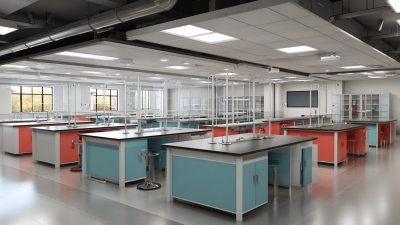
In today's educational landscape, the design and quality of School Lab Furniture play a crucial role in shaping the learning experience. Reports indicate that well-designed lab environments can enhance student engagement by up to 30%. This is significant, considering the increasing focus on hands-on learning. However, many schools overlook the importance of investing in quality furniture, leading to inadequate facilities.
Improperly designed lab furniture can create safety risks. For instance, a study by the National Science Teachers Association highlighted that 25% of schools reported issues with their lab setups. They cited problems ranging from insufficient workspace to lack of storage. These shortcomings hinder effective learning, ultimately affecting students' academic performance and enthusiasm for science.
Moreover, it's essential to reflect on budget constraints. Schools often opt for cheaper alternatives, but this may compromise safety and functionality. Investing in quality School Lab Furniture not only fosters a productive environment but also aligns with safety standards. It’s a decision that requires careful consideration, recognizing that student success directly correlates with the resources allocated to their educational spaces.
Importance of Laboratory Furniture in Educational Settings
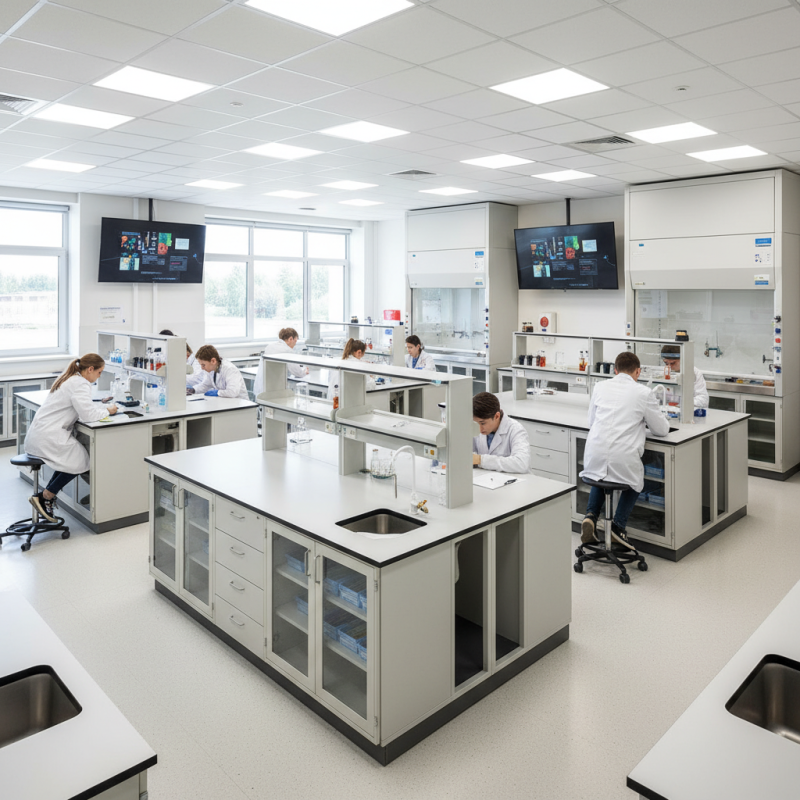
Laboratory furniture plays a crucial role in educational settings. It influences how students interact with science and technology. According to the National Center for Education Statistics, well-designed lab environments can boost student engagement by 20%. Proper furniture promotes safety and comfort, which enhances learning experiences. Ergonomic designs help students focus better during experiments.
Design matters. A cluttered or poorly planned lab can hinder productivity. Reports from educational research institutions indicate that 75% of students feel more motivated in well-organized spaces. In contrast, outdated or uncomfortable furniture can be detrimental. Students may struggle to concentrate or complete tasks. Schools must consider the layout, materials, and overall functionality of lab furniture.
Selecting suitable lab furniture can also impact collaboration. Open spaces with flexible furniture arrangements encourage teamwork. However, rigidity in furniture can stifle creativity. Educators should reflect on how physical environments support or challenge learning. A careful balance between functionality and aesthetics is key to fostering an effective educational atmosphere.
Importance of Laboratory Furniture in Educational Settings
Choosing the right school lab furniture is crucial for ensuring a safe, durable, and effective learning environment. The chart above illustrates the importance ratings of various lab furniture features in educational settings. Each feature plays a significant role in enhancing the educational experience.
Criteria for Selecting Quality School Lab Furniture
Selecting quality school lab furniture is pivotal in shaping educational outcomes. Research indicates that the right lab setup can significantly enhance student engagement and learning. According to a study by the National Center for Education Statistics, effective learning environments can improve student performance by up to 20%.
When choosing lab furniture, consider durability and flexibility. For instance, tables must withstand rigorous use while accommodating various activities. Adjustable furniture also promotes inclusivity, allowing all students to participate fully. Ergonomic designs are crucial; they help reduce physical strain during long lab sessions.
Another key factor is safety. Furniture should meet safety standards to prevent injuries. A report from the American National Standards Institute highlights that nearly 30% of school injuries can be traced to inadequate safety measures. Evaluate materials used in furniture, ensuring they are non-toxic and easy to clean. This practice not only maintains a safe environment but also promotes better hygiene in laboratories. The details you choose can significantly impact the overall educational experience.
Impact of Lab Furniture on Student Engagement and Learning Outcomes
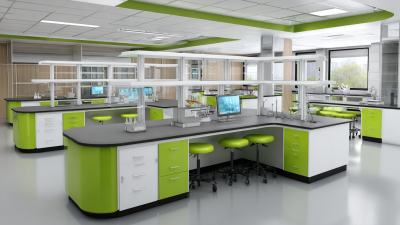
Lab furniture plays a crucial role in shaping student engagement and learning outcomes. Comfortable and functional workspaces can inspire creativity and collaboration. For instance, adjustable tables can accommodate diverse learning styles. Students with different physical needs can feel included and empowered. This fosters a sense of belonging, ultimately enhancing their investment in the learning process.
The arrangement of furniture also influences interactions. Open layouts encourage group discussions. Students might cooperate better around circular workstations. However, poorly designed spaces can lead to distractions. A crowded or cramped environment can hinder concentration. It’s vital to assess how the furniture impacts focus and collaboration. Balancing aesthetics with functionality can be challenging.
Calculated choices in lab furniture can enhance educational experiences. The right materials and designs can stimulate curiosity. Yet, it’s important to regularly evaluate their effectiveness. Feedback from students helps ensure the space remains conducive to learning. Constant reflection on these choices is necessary for improvement.
Why Choosing the Right School Lab Furniture Matters for Education? - Impact of Lab Furniture on Student Engagement and Learning Outcomes
| Furniture Type |
Impact on Engagement |
Learning Outcome Improvement (%) |
Usability Rating (1-5) |
| Laboratory Workstations |
High |
30% |
4.5 |
| Fume Hoods |
Moderate |
20% |
4.0 |
| Storage Cabinets |
Low |
10% |
3.5 |
| Collaborative Tables |
High |
25% |
4.7 |
| Adjustable Stools |
Moderate |
15% |
4.2 |
Safety Considerations in School Lab Furniture Design
Laboratory safety is crucial in schools. The right lab furniture significantly contributes to this environment. Safety considerations should be the primary focus when selecting furniture for educational laboratories.
Furniture should be made from non-toxic materials. This helps minimize exposure to harmful chemicals. Rounded edges are essential to reduce injury risks. Ensure that storage units are stable and secure. They should accommodate hazardous materials safely.
Tips: Select adjustable tables for flexibility in workspaces. This caters to students of various sizes. Install safety features, like lockable drawers, for sensitive equipment. Regular inspections of the furniture for wear and tear can prevent accidents.
Additionally, prioritizing visibility is vital. Clear sightlines can help teachers monitor students effectively. Open shelving encourages organization and minimizes clutter. However, be cautious with accessibility. High shelves may pose risks for younger students. Balancing accessibility and safety requires careful planning.
Long-term Benefits of Investing in Durable Lab Furniture
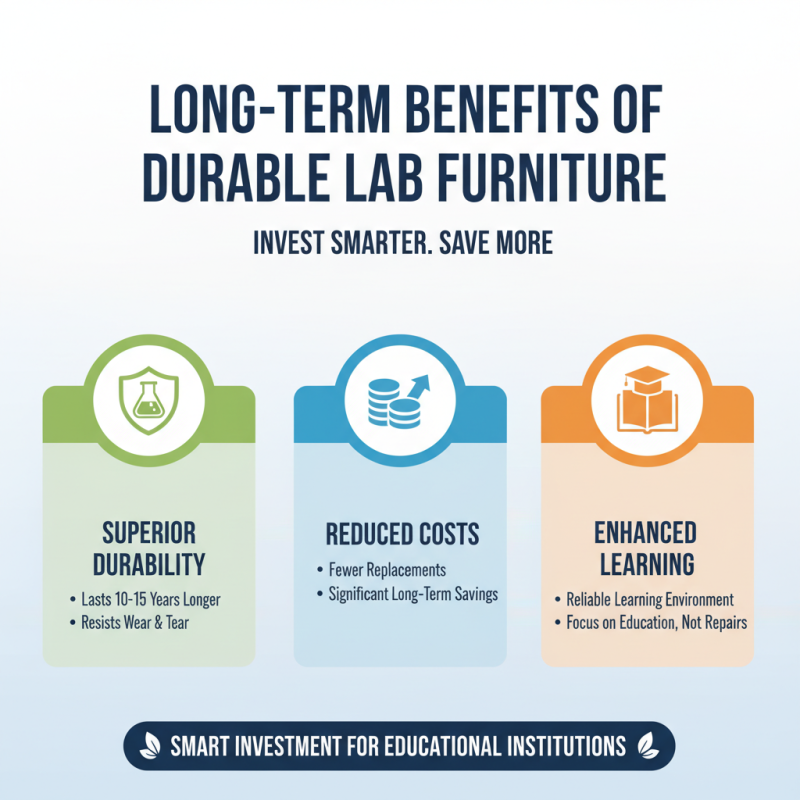
When investing in school lab furniture, durability is crucial. Education institutions face numerous challenges when choosing the right materials. Research shows that durable lab furniture lasts an average of 10 to 15 years longer than cheaper alternatives. This lifespan can significantly reduce long-term replacement costs. Schools save more by avoiding frequent purchases of furniture that wears out quickly.
Another factor to consider is safety. Well-designed lab furniture minimizes risks associated with spills and spills. A study highlighted that nearly 40% of accidents in labs were linked to inadequate equipment. Investing in sturdy, purpose-built furniture not only promotes safe practices but also enhances student learning experiences.
Moreover, quality furniture can improve both functionality and aesthetic appeal. Studies suggest a well-designed lab space increases student engagement by up to 30%. Meanwhile, the right furniture encourages collaborative learning and fosters creativity. It's a point worth noting, though. Many schools may overlook these benefits, focusing instead solely on cost. This shortsighted approach can impair the educational environment in the long run. With careful planning, institutions can create spaces that inspire learning and innovation.