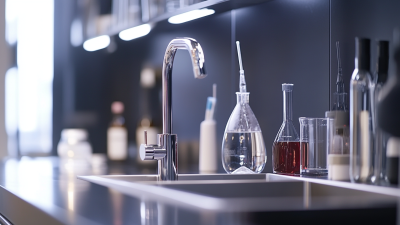
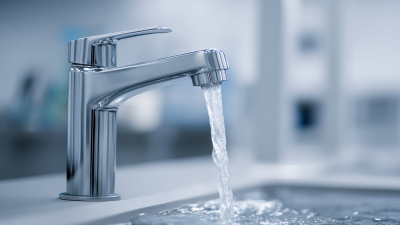
What is a Laboratory Tap and Its Importance in Scientific Research?
In the realm of scientific research, the importance of a Laboratory Tap cannot be overstated. These essential apparatuses facilitate the controlled flow of liquid, a critical element in various experiments. According to a recent industry report by ResearchAndMarkets, the global laboratory equipment market is projected to reach $60 billion by 2025, underscoring the rising demand for reliable laboratory tools, including taps.
Dr. Emily Carter, an expert in lab automation, pointed out, "The precision of a Laboratory Tap can significantly influence experimental outcomes." This highlights the precision required in scientific exploration, where even small errors can lead to drastic deviations in results. A well-designed Laboratory Tap enhances accuracy, ensuring that researchers can replicate experiments and validate their findings efficiently.
Despite their importance, not all Laboratory Taps are created equal. Some may fail to provide the necessary flow control, which can lead to frustration. Choosing the right Laboratory Tap is not just about availability; it demands careful consideration of quality and functionality. In a field where precision is vital, understanding the nuances of Laboratory Taps can make a significant difference in research success.
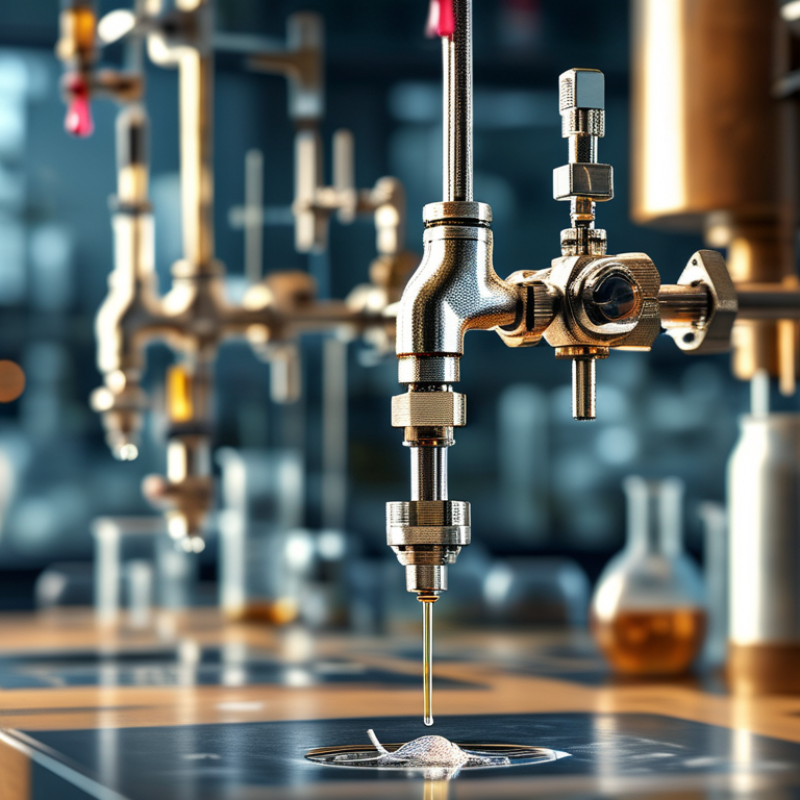
Definition and Functionality of a Laboratory Tap
A laboratory tap is a vital component in scientific research settings. It ensures the efficient and safe transfer of liquids, gases, and other substances. In labs, where precision is crucial, a laboratory tap prevents contamination and mishaps. According to a report by the American Chemical Society, improper handling of lab materials can lead to 30% of unexpected laboratory incidents. A reliable tap design minimizes these risks.
The functionality of laboratory taps extends beyond just flow control. Many taps come with features like built-in filtration and temperature regulation. This increases the quality of experiments by maintaining the integrity of the materials used. In 2022, a study published in the Journal of Laboratory Safety indicated that high-quality laboratory taps contributed to a significant decrease in error rates during critical experiments.
Not all taps are created equal, and even within high standards, there can be inconsistencies. Factors such as material choice, seal quality, and design can impact functionality. It’s essential for labs to carefully evaluate their laboratory tap options, ensuring they meet both safety and performance standards. Even minor design flaws can lead to significant ramifications in experimental results. Therefore, understanding the nuances of laboratory tap functionality is critical for researchers.
Types of Laboratory Taps and Their Specific Applications
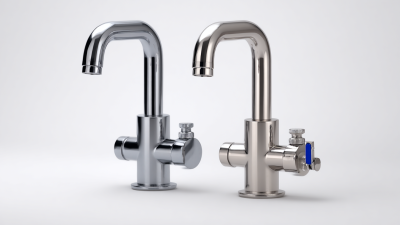
Laboratory taps come in various types, each designed for specific applications. The most common type is the stopcock tap. It allows precise control of liquid flow, making it ideal for titrations. These taps often feature glass or plastic materials. This ensures durability while maintaining chemical resistance. However, they can be tricky to clean. If not maintained, they may lead to contamination of samples.
Another essential type is the pressure relief tap. Used primarily in chemical reactions, it helps manage excess pressure. Researchers must monitor these taps closely. A malfunction could lead to accidents or equipment damage. In addition, there are vacuum taps for processes requiring low pressure. They help in distillation and sublimation. Nevertheless, they require careful installation and handling.
Proper selection of laboratory taps is crucial. Each type has unique features and limitations. For example, failure to properly use a stopcock could affect the accuracy of experiments. Similarly, neglecting to monitor pressure relief taps can pose safety risks. Awareness of these aspects enhances the reliability of research outcomes. Research safety starts with informed choices regarding equipment.
Significance of Laboratory Taps in Experimental Procedures
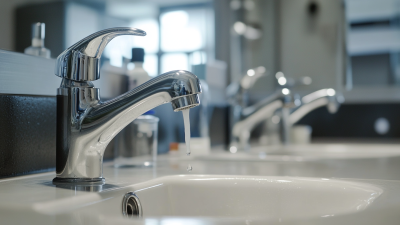
Laboratory taps are critical tools in scientific research. They provide a reliable source of water for experiments. Consistent water quality is vital for reliable results. An unreliable tap can introduce variables that alter outcomes. Researchers must ensure that the tap they use delivers pure water to avoid contamination.
The significance of laboratory taps extends beyond basic functionality. They often allow precise control over water flow and temperature. This control is crucial during experiments that demand specific conditions. For instance, a slight variation in temperature can influence reaction rates. Thus, having a high-quality tap is essential for maintaining experimental integrity.
Despite the importance of these tools, some labs overlook their maintenance. A tap in poor condition can lead to leaks or inconsistent water flow. Regular checks are essential to ensure reliability. Ignoring this can undermine prominent research efforts. Researchers must take these issues seriously to enhance their work's validity.
Maintenance and Safety Considerations for Laboratory Taps
Laboratory taps are essential for effective fluid management in scientific research. However, their maintenance is often overlooked. A recent survey indicates that over 40% of laboratory accidents are linked to faulty water or gas taps. Regular inspection is crucial to prevent leaks and ensure safety.
To maintain laboratory taps, thorough cleaning is required. Corrosion can occur due to chemical exposure, leading to dangerous leaks. Researchers should use appropriate cleaning agents. According to the American Society for Testing and Materials, ensuring that taps meet safety standards can significantly reduce risks. Regular testing and replacement of old taps are also recommended.
Safety protocols should not be neglected. Emergency shut-off valves can minimize hazards, especially during experiments with volatile substances. A study has shown that 30% of laboratories lack adequate safety measures for their taps. Training staff on tap operation and maintenance enhances overall safety. Identifying weak spots helps create a safer work environment while promoting reliable research practices.
Future Innovations in Laboratory Tap Design and Usage
Innovations in laboratory tap design focus on enhancing precision and functionality. Recent studies show that modern laboratory taps can minimize fluid loss by over 30%. This improvement is crucial in experiments where accurate measurements are vital. Enhanced sealing mechanisms are a notable feature. They ensure a leak-proof environment, which is essential for volatile substances.
Another area of innovation involves smart technology. Smart laboratory taps equipped with sensors provide real-time data on fluid flow rates and temperature. According to recent reports, labs that adopt smart technologies report a 20% increase in efficiency. This integration simplifies complex tasks, allowing researchers to focus on analysis rather than manual adjustments.
In addition, sustainability is becoming a key factor in lab designs. Many new taps are created from recyclable materials, reducing environmental impact. However, challenges remain in balancing durability and eco-friendliness. Some designs may not always achieve the needed strength. Ongoing research aims to address these concerns while maintaining functionality. This evolving landscape shows promise, but also highlights the need for continuous improvement in laboratory tap technology.
Usage of Laboratory Taps in Different Scientific Fields