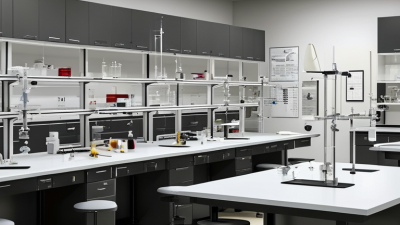
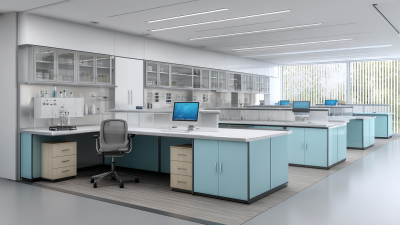
How to Choose Chemistry Lab Furniture in 2026?
In 2026, choosing Chemistry Lab Furniture is not simply a matter of matching benches to a floor plan. The right setup should support the work people actually do, from weighing powders to rinsing glassware, while helping manage heat, spills, and chemical contact. A polished catalogue image can hide awkward reach distances or hard-to-clean seams. Details matter.
Start with workflows, users, and room conditions. Measure aisle widths, door swings, equipment footprints, and service connections before comparing products. Measure the real work. Select worktop materials according to the chemicals, temperatures, and cleaning methods they will face; no surface suits every task. Check load ratings for heavy instruments, and examine drawers, sinks, shelving, and edge finishes for practical access and cleanability. Ask manufacturers for technical data and documented compatibility information rather than relying on broad labels such as “chemical resistant.” For fume hoods, storage, and other specialized equipment, coordinate furniture choices with qualified laboratory safety professionals and applicable local requirements.
A useful decision also considers installation, maintenance, replacement parts, and the cost of downtime—not just the purchase price. Request samples where possible, and test them against realistic cleaning routines. Ask for evidence. Yet specifications cannot predict every daily frustration. A handle may catch a coat sleeve; a popular bench height may not suit every user. Walk the proposed layout with lab staff before ordering. That extra review takes time, but it can reveal problems that drawings miss and help create a lab that remains workable as equipment and research needs change.
Assess Laboratory Workflows, Hazards, and User Needs
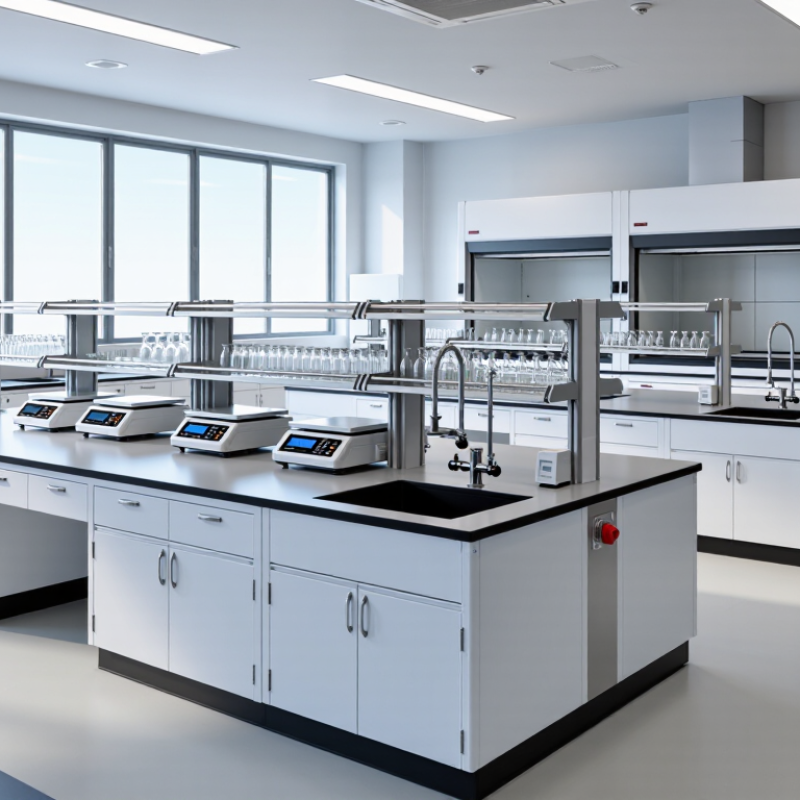
Choosing chemistry lab furniture in 2026 starts with watching real work, not browsing catalogs. Trace sample movement from receipt to analysis, then note where people queue, spill, or reach across one another. A balance needs a stable, vibration-conscious surface; wet chemistry needs nearby sinks and chemically compatible worktops. Map incompatible chemicals and waste streams before specifying cabinets. Keep fume hood access clear, and treat furniture as support—not a replacement for ventilation or safe procedures.
Hazards and users shape the details. U.S. Department of Energy Better Buildings guidance reports that laboratories can use five to ten times more energy per square foot than offices, making exhaust-dependent layouts worth reviewing carefully. NIOSH’s 2011 hazardous-drug alert estimated that 8 million healthcare workers could be exposed; that figure concerns healthcare, but it underscores the value of task-specific storage and cleanable surfaces. Ask technicians about glove use, seated work, cleaning routines, and equipment changes. Provide adjustable seating and reachable controls. A perfect layout rarely survives real work. I would leave some flexibility, even if it costs space. Recheck the plan with users before installation; designers sometimes miss the awkward reach.
How to Choose Chemistry Lab Furniture in 2026
Assess laboratory workflows, hazards, and user needs before selecting furniture.
The ratings are illustrative planning priorities, not survey results or regulatory standards. Consider workflow fit, chemical compatibility, ventilation, storage, ergonomics, cleanability, and future adaptability in a site-specific risk assessment.
Compare Furniture Materials for Chemical and Heat Resistance
How to Choose Chemistry Lab Furniture in 2026?
Compare Furniture Materials for Chemical and Heat Resistance
A glossy worktop can still fail after one spill. Compare materials against the chemicals, concentrations, contact times, and temperatures used in your lab. Epoxy resin surfaces often suit demanding chemical work, but resistance varies by formulation and reagent. Phenolic resin can be a practical option for lighter-duty areas. Stainless steel tolerates heat well, yet some acids and chloride solutions can damage it. Ceramic surfaces handle high temperatures, though impacts and joints deserve attention.
Ask suppliers for test results, not broad claims. ASTM D543 evaluates plastics exposed to chemical reagents; ISO 175:2010 covers changes after contact with liquid chemicals. Results depend on test conditions, so check whether the data matches your actual use. For heat, ASTM D648 measures a plastic’s deflection temperature under a specified load. That figure is not a safe operating temperature. Small detail matters.
In a working lab, a hot beaker may meet a fresh solvent spill. That combination can expose limits a single-material test misses. Compare documented resistance charts with your chemical inventory, then inspect seams, edge treatments, and repair options. Not just the sample. I would also ask for full test conditions; otherwise, a strong-looking number can be hard to interpret. A little uncertainty remains. Materials age, and real benches see repeated cleaning, scratches, and uneven heating.
Evaluate Ergonomics, Accessibility, and Safety Features
How to Choose Chemistry Lab Furniture in 2026?
Evaluate reach before choosing bench dimensions. A seated researcher should be able to use pipettes, controls, and waste containers without twisting or stretching. Standing users need enough knee and foot clearance at shared workstations. Small details matter. Drawer pulls, rounded edges, and adjustable stools can reduce awkward movements during repetitive tasks. The U.S. Bureau of Labor Statistics recorded nearly 2.6 million nonfatal workplace injury and illness cases in private industry in 2023. This broad figure is not specific to laboratories, but it reinforces the value of ergonomic planning.
Accessibility should shape the layout, not become an afterthought. The 2010 ADA Standards specify clear floor space of at least 30 by 48 inches and accessible work-surface heights between 28 and 34 inches. Treat these dimensions as a design reference, then confirm which requirements apply to your facility. Keep routes to sinks, eyewash stations, and exits unobstructed. Not just height. Reach, turning space, and usable controls matter too.
For safety, assess furniture alongside the chemicals and tasks in each room. Select work surfaces compatible with expected spills, and check that cabinets, shelving, and bench frames remain stable under realistic loads. Locate frequently used equipment away from bench edges, where a sleeve or bottle could catch. Ask staff to test a sample setup with gloves on. A drawing may look efficient, yet the actual reach can feel awkward. That is worth revisiting before installation.
Verify Standards, Installation, and Long-Term Maintenance
How to Choose Chemistry Lab Furniture in 2026?
Verify Standards, Installation, and Long-Term Maintenance
Ask for documented compliance, not a vague “lab-grade” claim. Check casework against applicable SEFA 8 practices, and confirm fume hoods will be tested using the current ANSI/ASHRAE 110 method. Verify chemical resistance against the substances actually used; a solvent spill can stain or weaken a surface that looked durable in a sample. I2SL guidance notes that laboratories can use five to ten times more energy per square foot than typical offices. That makes hood performance and exhaust coordination important during furniture planning.
Installation is where drawings meet real walls. Confirm floor loading, anchoring, service clearances, and utility connections before delivery. Have qualified installers level benches and secure tall cabinets, then document hood testing and any commissioning results. Check that eyewash and shower access remains unobstructed under applicable safety standards. BLS recorded 2.6 million nonfatal workplace injury and illness cases in private industry in 2023; that figure is not lab-specific, but it underlines why access and safe layouts deserve attention.
Plan maintenance before signing off. Specify who inspects hinges, drawer slides, seals, worktops, and plumbing, and how often. Keep spare parts and cleaning instructions with the room records. A perfect drawing can still miss a pipe access panel. I would check that twice. Build a simple log for damage, repairs, and hood test dates; small issues are easier to catch before a cabinet door sags or a joint leaks.