How to Choose the Best Science Laboratory Furniture for Your Needs?
Choosing the right Science Laboratory Furniture is crucial for any research environment. According to Dr. Emily Carter, a leading expert in laboratory design, "The functionality of lab furniture directly impacts the quality of scientific work." Selecting suitable furniture can enhance workflow and productivity. Yet, many overlook this vital aspect.
When assessing the needs for Science Laboratory Furniture, consider factors like durability and ergonomics. Cabinets and benches must withstand the rigors of daily use. Moreover, they should promote a comfortable working posture. A well-designed space can lead to better results, while poor choices might hinder progress.
Not all furniture options meet every lab's unique requirements. Every laboratory has different needs based on its specific research activities. This variability can make it challenging to find the perfect fit. Reflecting on these elements ensures a more effective workspace. Additionally, investing in quality furniture is more than just a budget decision—it's an investment in scientific advancement.
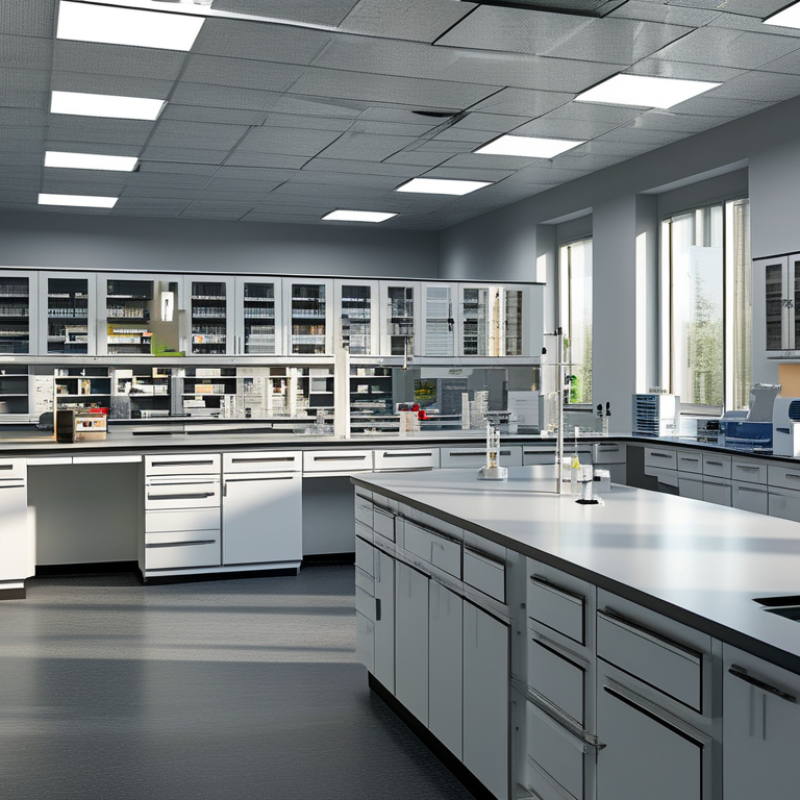
Understanding the Different Types of Science Laboratory Furniture Available
When selecting science laboratory furniture, understanding the available types is crucial.
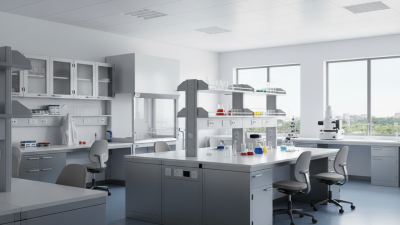
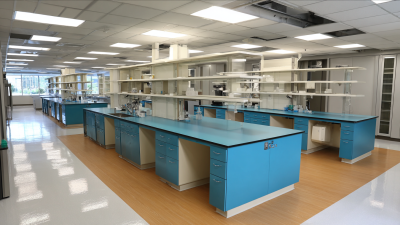
Workbenches are the backbone of any lab. These surfaces must endure chemicals, heat, and constant use.
Durable materials like laminate or epoxy resin are often preferred. They should provide sufficient workspace for various experiments without compromising safety.
Storage solutions also play a vital role. Cabinets and shelves help keep the lab organized. Choose options that can handle heavy equipment and hazardous materials.
Lockable cabinets add an extra layer of safety, especially in labs with volatile substances. Having the right storage ensures easy access while maintaining a tidy workspace.
Another essential element is seating.
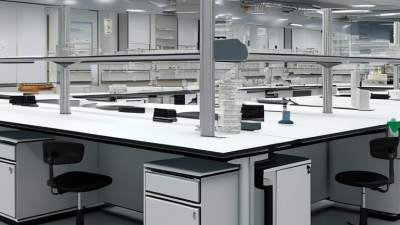
Adjustable stools can enhance comfort during long experiments. Look for options with ergonomic designs to support proper posture.
This can be an afterthought, yet it significantly impacts productivity and well-being in the lab environment.
Finding the right mix of furniture types tailored to your specific needs fosters a functional space for research and discovery.
Evaluating the Specific Needs of Your Laboratory Space
When evaluating your laboratory space, it’s crucial to consider specific needs. Each laboratory has unique requirements based on its function. For instance, a chemical lab may require durable, resistant surfaces, while a biology lab often needs flexible furniture arrangements. According to a study by the American Institute of Physics, 73% of laboratory managers prioritize adaptability in furniture design.
Space optimization is another important aspect. In crowded environments, efficient use of space can enhance workflow. Furniture that can be easily reconfigured promotes collaboration. The Lab Manager reported that 80% of scientists believe lab layout significantly affects productivity. Choosing modular pieces allows you to create dynamic configurations suited to ongoing projects.
Consider ergonomics too. Furniture should support the health and comfort of its users. Research indicates that ergonomic designs can reduce workplace injuries by up to 30%. However, not all furniture marketed as ergonomic is effective. It’s essential to review research data and user feedback to ensure you’re making informed choices.
Key Features to Consider When Selecting Laboratory Furniture
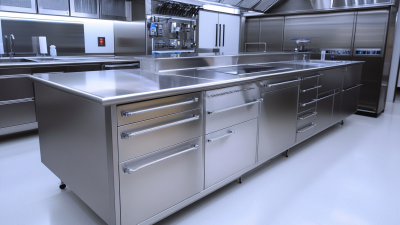
Choosing the right laboratory furniture requires careful consideration of several key features. Durability is essential. Laboratory work often involves harsh chemicals and rigorous testing. The furniture must withstand daily wear and tear. Materials like epoxy resin or stainless steel are reliable choices. These materials resist staining and corrosion, extending the furniture's lifespan.
Another important factor is adaptability. Different laboratories have various needs. Flexibility in design allows furniture to be reconfigured as projects evolve. For example, mobile workstations can be easily moved. This feature promotes collaborative research, making it easier to share space.
Storage solutions are also critical. Labs require organized environments. Cabinets and shelving should make tools and materials accessible. However, finding the right balance between accessibility and safety is sometimes challenging. Equipment must be secure yet easy to reach. Reflecting on these aspects can lead to better choices in laboratory furniture. This ensures a functional, safe, and efficient workspace that meets the demands of various scientific applications.
Key Features to Consider When Selecting Laboratory Furniture
Balancing Budget Constraints with Quality and Durability
When selecting science laboratory furniture, balancing budget constraints with quality and durability is crucial. A report by the American National Standards Institute highlights that laboratories can see up to a 30% increase in productivity with the right equipment. However, cutting corners on furniture can lead to costly replacements and safety issues down the line. Investing in sturdy, well-made furniture is essential for long-term savings.
Tips: Check for warranties. Quality products often come with guarantees. It’s advisable to note that furniture should withstand wear and tear. Look for materials that resist chemicals and spills, which are common in a lab environment. Research shows that 64% of errors happen in poorly designed workspaces. Therefore, ensure your lab layout promotes efficiency.
Consider the maintenance cost as well. While initial prices may seem lower for cheaper options, they often lack durability. A study highlighted by the National Association of Laboratory Suppliers indicates that 70% of labs face increased costs due to maintenance on lower-quality furniture. Take the time to evaluate all your options. A thoughtful approach today can save significant expenses in the future.
Ensuring Compliance with Safety and Environmental Regulations
Choosing the right laboratory furniture goes beyond aesthetics and utility. Compliance with safety and environmental regulations is crucial. The laboratory environment poses unique hazards. Proper furniture can mitigate risks associated with spills, chemical exposure, and ergonomic issues. According to a study by the American National Standards Institute (ANSI), up to 40% of workplace injuries in labs can be attributed to improper setups.
Selecting furniture that meets regulatory standards is essential. Look for materials that are resistant to chemicals and fire. Furniture should also be designed to minimize contamination risks. Many regulations set forth by organizations like OSHA highlight the need for adequate ventilation systems in chemistry laboratories. It’s important to incorporate desks and storage solutions that enhance airflow.
Tips: Choose adjustable furniture to accommodate different user heights. This adjustment can prevent strain over long working hours. Ensure that your furniture design includes containment features—such as raised edges or built-in sinks. These elements help contain spills and maintain cleanliness. Always review local regulations to ensure your lab’s compliance. Regular audits and updates can help bridge gaps in safety practices.