2026 How to Choose the Best Science Laboratory Furniture?
Choosing the right Science Laboratory Furniture is crucial for any laboratory setup. The right furniture enhances functionality and promotes safety. A well-designed lab can improve workflow and increase productivity.
When selecting Science Laboratory Furniture, consider durability and materials. Some materials resist chemicals better than others. Ergonomics also play a vital role. Chairs and tables should support the user’s posture. It is essential to think about customization as well. Different labs have unique needs.
Budget constraints are always a concern. Investing in high-quality furniture may seem high initially. However, it often saves costs in the long run. Quality furniture can reduce the need for frequent replacements. Also, take time to read reviews and seek expert recommendations. Remember, the choices made now impact future lab efficiency.
Understanding the Importance of Science Laboratory Furniture
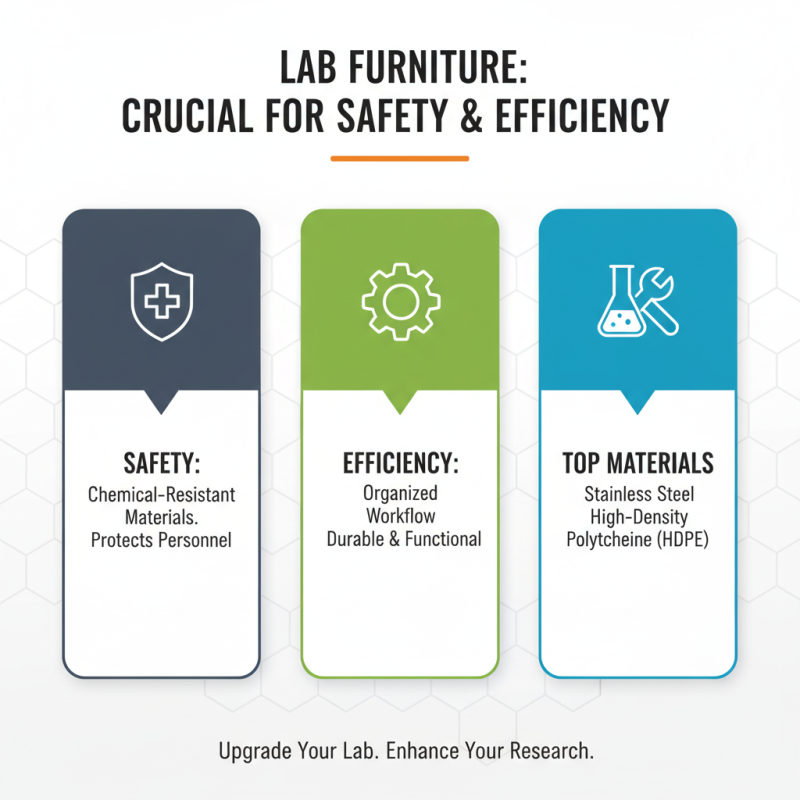
Choosing the best science laboratory furniture is crucial for any laboratory environment. It impacts not only the efficiency of the workflow but also the safety of all personnel involved. Durable and functional furniture contributes to a lab's overall organization. When choosing furniture, consider materials that resist chemicals and stains. Stainless steel and high-density polyethylene are popular options.
The importance of science laboratory furniture extends beyond mere aesthetics. Properly designed furniture helps maintain a tidy workspace. Crowded desks can lead to accidents. Also, adjustable tables and ergonomic seating are essential for preventing strain. Research shows that comfort can significantly boost productivity. Inadequate furniture may hinder researchers' performance.
Investing in quality laboratory furniture may seem costly at first. However, the long-term benefits far outweigh the initial expense. Well-constructed cabinets can store hazardous materials safely. This investment can also reduce the risk of accidents. Laboratories must strive for a balance between functionality and comfort. Reflecting on past choices can guide future decisions.
Key Factors to Consider When Selecting Laboratory Furniture
Choosing the right science laboratory furniture is crucial for an efficient workspace. Several key factors must be considered during the selection process. The first is ergonomics. Furniture should promote comfort and productivity. Lab workers spend hours at workstations, so height-adjustable desks can enhance both comfort and collaborative tasks.
Another important aspect is material durability. Laboratory environments can be harsh. Choose furniture made from chemical-resistant materials. This choice not only prolongs lifespan but also ensures safety. If furniture wears out quickly, it can lead to increased costs and safety hazards.
Tips: Always assess the space available. Measure your lab before making decisions. Furniture that doesn’t fit can create unnecessary chaos. Also, consider flexibility. Modular furniture can adapt to changing needs. An inflexible setup limits future growth and adjustments.
The layout of your lab is essential. Work areas should facilitate smooth workflows. Poor design can waste time and hinder productivity. Reflect on your specific workflow needs. A thoughtful layout is the foundation of an effective work environment.
Types of Laboratory Furniture and Their Specific Uses
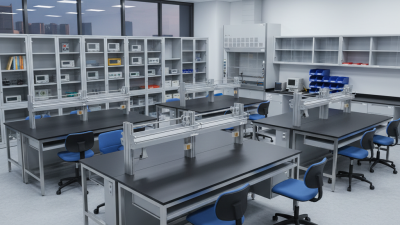
When selecting laboratory furniture, understanding the types available is crucial. Workbenches are fundamental. They provide a sturdy surface for experiments. Consider height-adjustable workbenches for versatility. Some require specific surface materials to resist chemicals.
Storage cabinets are equally essential. These help organize materials safely. Lockable cabinets protect sensitive items. It’s vital to choose cabinets made from durable materials to withstand daily use. Open shelving offers easy access. However, they may expose items to contaminants.
Fume hoods play a critical role in safety. They protect users from hazardous fumes during experiments. Not all labs need the same type. Assess your needs based on the chemicals involved. Also, ensure proper ventilation throughout the laboratory. Not every design fits every lab, and customization is often necessary. Balancing aesthetics and functionality is challenging but vital.
Material Choices for Durability and Safety in Laboratories
When selecting laboratory furniture, material choice is crucial for durability and safety. For high-performing laboratories, materials must withstand constant use and resist various chemicals. Common materials include stainless steel, laminate, and epoxy resin. Each material has its advantages based on the laboratory's specific needs.
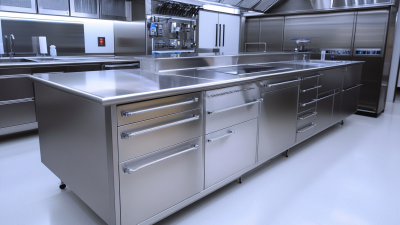
Stainless steel is popular due to its strength and resistance to corrosion. It is easy to clean, making it ideal for sterile environments. However, it can be costly and may scratch easily, leading to concerns about aesthetics over time. Laminate surfaces offer a more affordable option. They can handle daily activities but may not be as resistant to heat or chemicals.
Tip: Always consider the types of materials that will interact with your lab's workload. For safe storage, choose cabinets with chemical-resistant coatings.
Epoxy resin is a robust choice for countertops as it is non-porous and can resist harsh chemicals. However, installing epoxy can be challenging and can require professional handling. A small mistake could lead to flaws.
Tip: Before finalizing your choices, test samples for wear and tear. Observations can guide your final decisions and reflect the true durability of your selections.
2026 How to Choose the Best Science Laboratory Furniture?
| Furniture Type |
Material |
Durability Rating |
Safety Features |
Cost Range (USD) |
| Laboratory Bench |
Stainless Steel |
High |
Chemical Resistance |
$500 - $1500 |
| Fume Hood |
Epoxy Resin |
Very High |
Ventilation & Filtration |
$2000 - $5000 |
| Storage Cabinet |
Laminate |
Medium |
Locking Mechanism |
$300 - $800 |
| Workstation |
Phenolic Resin |
High |
Anti-microbial Surface |
$600 - $1200 |
| Laboratory Chair |
Polyurethane |
Medium |
Height Adjustment |
$150 - $400 |
Budgeting and Cost-Effectiveness in Laboratory Furniture Selection
Choosing the right laboratory furniture requires careful consideration of budgeting and cost-effectiveness. A well-thought-out budget helps avoid overspending and ensures that essential needs are met. Factors like durability, material quality, and design should align with your financial constraints.
When assessing costs, prioritize functionality over aesthetics. Functional furniture can improve workflow and safety. Investing a bit more in essential items can lead to significant long-term savings. Look for versatile designs that can adapt to various uses. This can enhance the lab’s functionality without necessitating frequent replacements.
**Tip:** Always set aside a portion of your budget for unexpected expenses. This flexibility can prevent project disruptions.
Additionally, consider used or refurbished furniture options. They often provide substantial savings while maintaining quality. Evaluate local suppliers for cost-effective deals. Sometimes, investing time in research can uncover significant discounts.
**Tip:** Don’t hesitate to negotiate prices with suppliers. They may be open to providing better rates for bulk orders.
2026 How to Choose the Best Science Laboratory Furniture?
This chart displays the average cost-effectiveness of various types of laboratory furniture in relation to their longevity and budget allocation. The data helps in understanding which furniture options provide the best value over time.