Best Laboratory Table Options for Global Buyers in 2026?
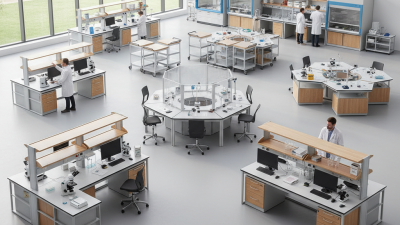
As the global laboratory equipment market evolves, choosing the right laboratory table becomes crucial. This essential workspace furniture impacts efficiency and functionality in various scientific settings. In 2026, buyers will face a wide range of options, each catering to different needs.
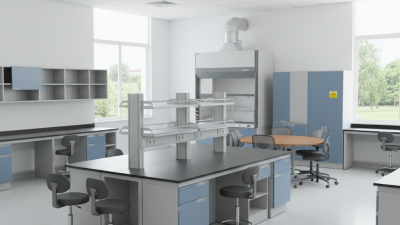
Laboratory tables are not just surfaces; they are integral to research and development. Factors like material, size, and design significantly affect workflow. Buyers must consider durability and adaptability. A sturdy table can withstand heavy equipment, while a modular design allows for easy reconfiguration.
However, selecting the best laboratory table is not simple. Many factors influence the decision-making process. Buyers often feel overwhelmed by choices and may overlook critical features. Evaluating the long-term value of a table can be challenging. Investing in quality equipment, however, may improve productivity and safety in the long run. Effective laboratory tables contribute to successful outcomes in experimentation and analysis.
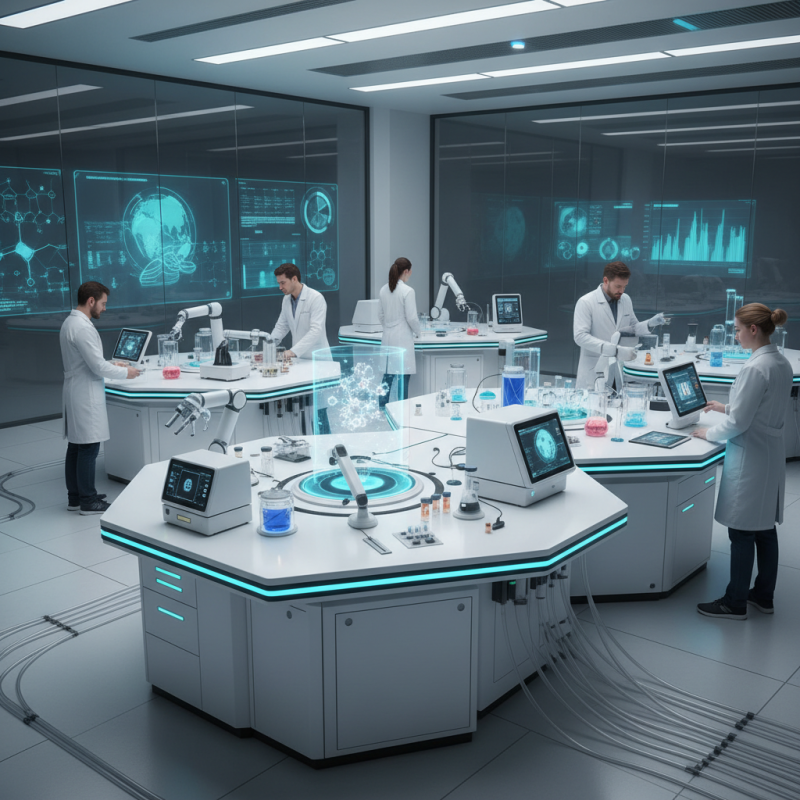
Best Materials for Laboratory Tables: A 2026 Market Overview
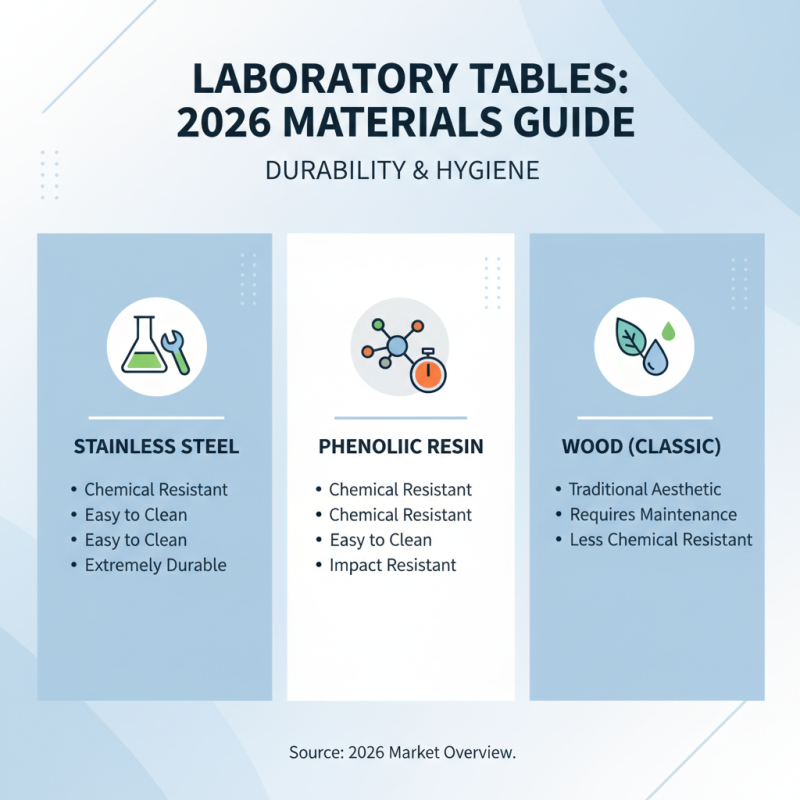
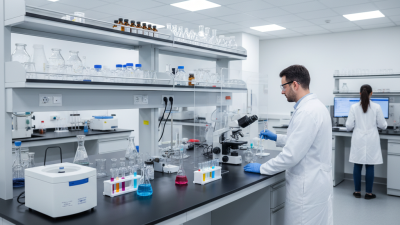
When considering laboratory tables for 2026, the choice of materials plays a crucial role. High-quality surfaces ensure durability and hygiene. Materials like stainless steel and phenolic resin are gaining traction. These options resist chemicals and are easy to clean, making them ideal for busy labs. Wood is a classic choice, but it requires more maintenance.
Choosing the right material can affect your lab's functionality. Metal surfaces handle heavy equipment well but can scratch easily. Meanwhile, laminate surfaces are economical but may not withstand heat. Ensure that the table design complements your lab’s workflow.
Tips: Always evaluate the specific needs of your lab. Consider factors like space, equipment, and activities performed. Regular maintenance can prolong the life of materials. Be cautious of potential wear and ensure your tables meet safety standards.
Top Laboratory Table Manufacturers to Consider in 2026
When considering the best laboratory table options for 2026, it's essential to evaluate top manufacturers in the industry. According to industry reports, the global laboratory furniture market is projected to reach approximately $5.5 billion by 2026, showcasing a growing demand for versatile and functional lab tables. Manufacturers focus on durability, ergonomics, and adaptability to different laboratory settings.
One noteworthy trend is the increasing emphasis on sustainable materials. Advanced manufacturers are now using eco-friendly options without compromising quality. A study indicates that laboratories are seeking tables with chemical resistance. This feature caters to labs handling various substances safely. Durable finishes and sturdy constructions are crucial for long-term use.
Tip: When choosing a laboratory table, consider its intended use. Conducting experiments? Look for tables with adjustable heights for comfort. Need a table for meticulous work? Opt for surfaces that resist scratches and stains. Another consideration is space; ensure the table fits well within your lab layout. Remember to account for potential future equipment changes, which may influence your choice.
Best Laboratory Table Options for Global Buyers in 2026
Ergonomic Designs in Laboratory Tables: Enhancing Productivity in 2026
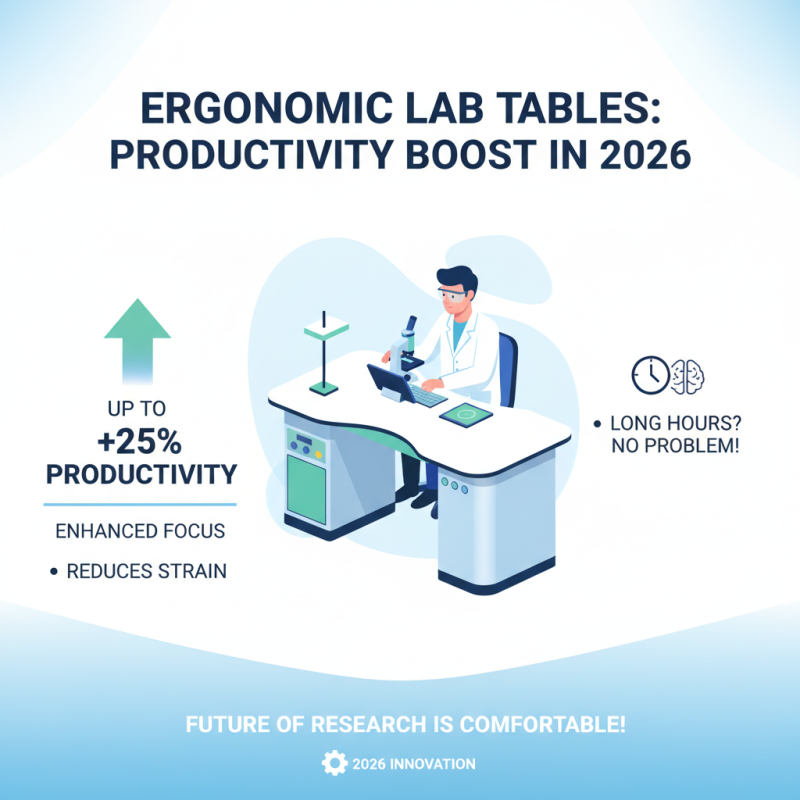
In 2026, laboratory tables should prioritize ergonomic designs. Research indicates that ergonomic furniture can enhance productivity by up to 25%. This is crucial for scientists and technicians who spend long hours in research environments. A well-designed table reduces strain and boosts focus.
Height-adjustable lab tables are gaining popularity. They allow users to shift between sitting and standing positions, accommodating various tasks. A report from the Ergonomics Society found that 40% of workers experience discomfort due to poor table design. Designing tables that fit individual needs can lead to fewer musculoskeletal disorders.
Moreover, lightweight materials are expected to change the landscape of laboratory furniture. They not only ease mobility but also facilitate quick reconfiguration of workspace. Currently, 70% of laboratories are looking to enhance flexibility in their setups. However, many are still struggling with outdated designs that do not meet modern ergonomic standards. Ensuring that new designs address these inefficiencies is vital for the future.
Sustainability Trends in Laboratory Table Production for Global Buyers
Sustainability in laboratory table production is a growing concern for global buyers. Companies are now focusing on materials that minimize environmental impact. Recyclable and biodegradable materials have gained traction. This shift reflects a larger trend towards eco-friendly practices in various industries. However, the supply chain also presents challenges. Sourcing sustainable materials can be complicated and costly.
Manufacturers are investing in green technologies and renewable resources. This includes using energy-efficient production methods. Yet, it’s not always clear how effective these measures are. There is room for improvement in transparency across the industry. Buyers need reliable certification and data on sustainability claims.
Moreover, durability remains a question. A balance between sustainability and longevity is crucial. Tables made from recycled materials may not always meet high-performance standards. Buyers must carefully consider their options. The push for sustainable products should not compromise functionality. Understanding these nuances is vital for informed purchasing decisions.
Best Laboratory Table Options for Global Buyers in 2026
| Material |
Sustainability Rating |
Durability (Years) |
Cost (USD) |
Weight Capacity (kg) |
| Phenolic Resin |
A+ |
15 |
600 |
500 |
| Stainless Steel |
A |
20 |
800 |
1000 |
| Laminate |
B |
5 |
300 |
200 |
| Wood Fiber Composite |
B+ |
10 |
500 |
400 |
| Bamboo |
A |
12 |
450 |
350 |
Cost Analysis of Laboratory Tables: Budgeting for 2026 Purchases
In 2026, managing laboratory table costs efficiently is critical for global buyers. According to a recent market analysis, laboratory furniture accounts for approximately 15% of the total lab budget. Understanding the financial implications of table selection is essential.
Investing in high-quality tables may incur a higher upfront cost, but this often leads to better durability and lower maintenance expenses over time.
Research indicates that sustainable materials can save institutions 30% in energy costs. Opting for eco-friendly options is beneficial not only for the budget but also for the environment. Buyers should evaluate their needs carefully before making a purchase. Essential features, such as adjustability and storage capabilities, can impact overall pricing significantly.
Tips: Always compare different vendors to assess warranty offers. Consider crowd-sourcing opinions from lab personnel to align purchases with actual usage needs. Lastly, include maintenance costs in your budget. It’s easy to overlook these, yet they can impact long-term expenditures significantly.