Ultimate Tips for Choosing Laboratory Furniture for Your Needs?
Choosing the right laboratory furniture is crucial for any research environment. Dr. Jane Smith, a leading expert in laboratory design, once said, "The right furniture can enhance productivity and safety in the lab." This statement underscores the importance of careful selection.
Proper lab furniture supports workflow and organization. It is not just about aesthetics; functionality matters deeply. When selecting laboratory furniture, consider factors like material, durability, and ergonomic design. These aspects can greatly influence the effectiveness of a lab's operations.
However, many users overlook their specific needs. Furniture that works for one lab might not suit another. Reflecting on your requirements is essential. Think about your space and functionality. In the competitive field of laboratory equipment, informed decisions will lead to better results and a more efficient work environment.
Choosing the Right Laboratory Furniture: Key Considerations and Needs
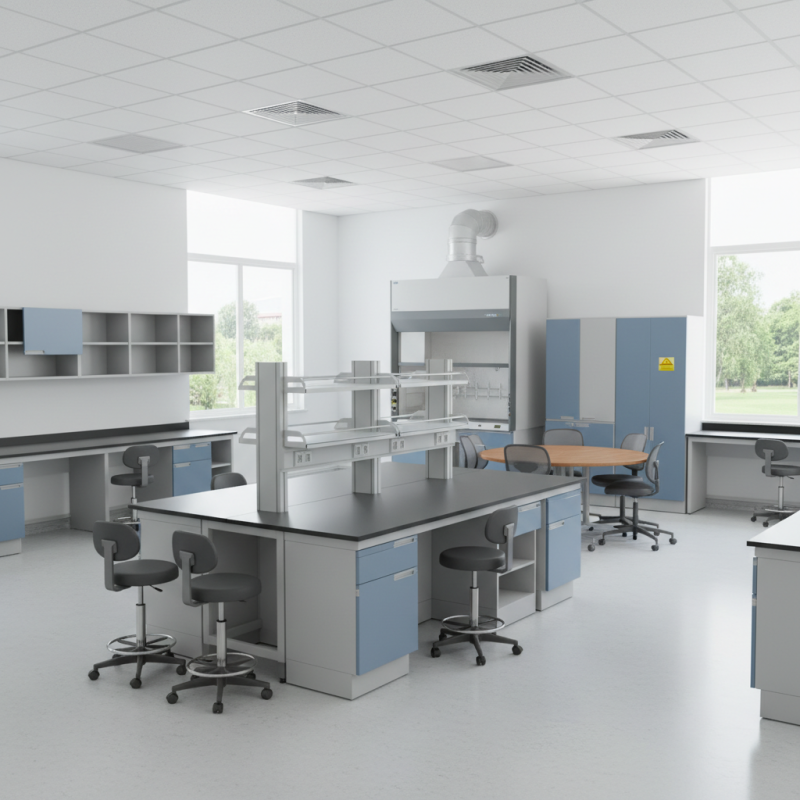
When considering laboratory furniture, understanding your specific needs is crucial. Evaluate the types of experiments conducted in your lab. Will you need heavy-duty tables for equipment? Or flexible workstations that accommodate various tasks? Thinking about these aspects ensures that your furniture supports your workflows effectively.
Durability is another key factor. Lab environments often involve harsh chemicals and high usage. Choose materials that can withstand these conditions. Stainless steel and chemical-resistant laminates are popular choices. However, not all materials perform equally, so research is essential. Take time to visit other labs and see what works for them. This hands-on approach might reveal shortcomings in your initial ideas.
Ergonomics matter, too. Poorly designed furniture can lead to discomfort and decreased productivity. Look for adjustable options that meet various user heights. This adaptability will enhance efficiency in your lab. Reflecting on past experiences can guide your choices. Consider where previous furniture failed to meet your requirements. This insight is invaluable in making well-informed selections.
Ultimate Tips for Choosing Laboratory Furniture for Your Needs
| Dimension |
Consideration |
Example Options |
| Material |
Durability and chemical resistance |
Steel, Laminate, Epoxy Resin |
| Size |
Space availability and laboratory workflow |
Custom dimensions, Modular designs |
| Ergonomics |
Comfort and efficiency during use |
Height-adjustable workstations, Comfortable seating |
| Storage |
Accessibility and organization |
Cabinets, Shelving units, Drawers |
| Safety Features |
Compliance with safety regulations |
Chemical-resistant surfaces, Anti-slip flooring |
| Aesthetics |
Visual appeal and professional look |
Color options, Sleek designs |
Understanding Laboratory Workflow: How Furniture Affects Efficiency
In modern laboratories, efficiency hinges on well-designed furniture. A recent study indicates that optimized lab layouts can enhance productivity by up to 20%. Think about the flow of work. If furniture interrupts efficient movement, it can lead to time loss and increased frustration.
Choosing the right laboratory furniture involves considering workflow patterns. For instance, bench heights should accommodate various tasks without causing strain. A report from the National Institute of Health suggests ergonomic furniture can reduce fatigue by 15%. This is critical for long hours spent in research.
Flexibility in furniture design is also essential. Labs often require rapid changes to accommodate new projects. Fixed setups can stifle innovation and adaptability. Some spaces may need mobile units or modular desks. This allows for quick reconfiguration, promoting collaboration while tackling complex problems.
Impact of Laboratory Furniture Design on Workflow Efficiency
Material Selection: Durability and Safety in Laboratory Environments
Selecting the right laboratory furniture revolves significantly around material choice. Durability is paramount in a high-performance lab environment. A study by the American National Standards Institute indicates that up to 70% of laboratory incidents stem from equipment failure. Hence, choosing robust materials can mitigate risks.
Wood, metal, and plastic each serve specific purposes. Wood offers aesthetic appeal but may not withstand harsh chemicals. Metal, particularly stainless steel, provides excellent resistance and longevity against both corrosion and high impact. However, it may not be the best thermal insulator. Plastics like polyethylene and polypropylene can resist chemicals, but their long-term structural integrity remains a concern.
Safety should also dictate material selection. According to the National Fire Protection Association, flammable materials can lead to disastrous accidents in lab settings. Therefore, non-combustible materials gain favor, balancing fire safety with functionality. It's essential to evaluate these factors continually as laboratory needs evolve. This ongoing reflection ensures that the chosen furniture remains relevant and effective in enhancing safety and durability in laboratory environments.
Compliance with Regulatory Standards: Ensuring Safety in Lab Furniture
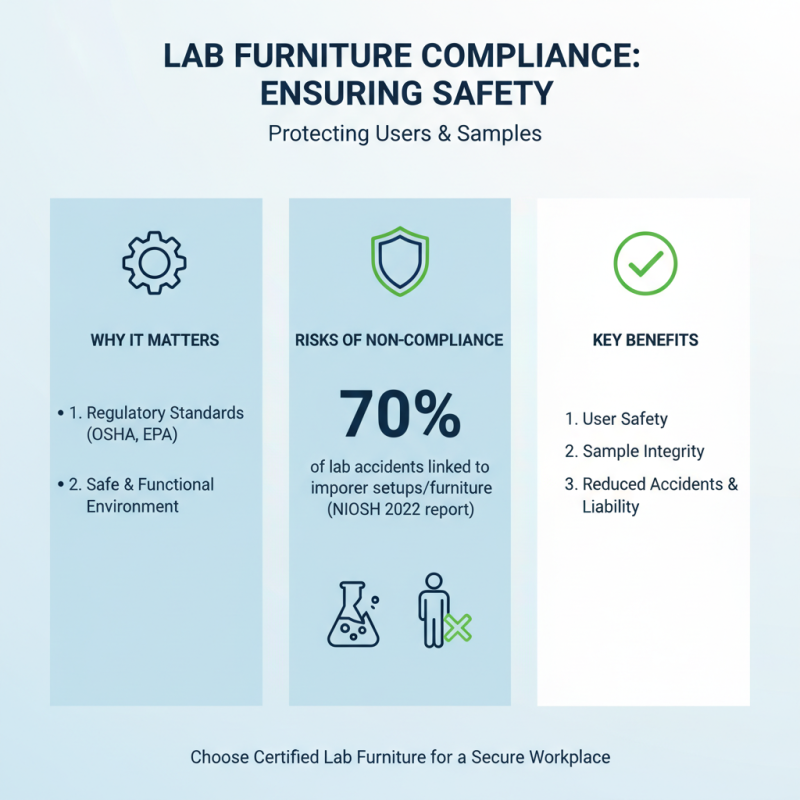
When selecting laboratory furniture, compliance with regulatory standards is crucial. Laboratories must adhere to strict guidelines set by agencies like OSHA and EPA. These regulations ensure that lab environments are safe, functional, and protect both users and samples. A 2022 report from the National Institute for Occupational Safety and Health (NIOSH) indicated that over 70% of lab accidents are linked to improper lab setups or inadequate furniture.
Safety features in lab furniture include rounded edges, chemical-resistant materials, and stability. Furniture must support heavy equipment without tipping. In a study by the Laboratory Furniture Association, 64% of labs reported needing to replace furniture due to non-compliance issues. Moreover, ergonomic designs can reduce the risk of musculoskeletal injuries, which account for 33% of lab-related injuries.
Despite these guidelines, many labs overlook reviewing their furniture regularly. This lack of attention can lead to serious safety risks. Regular inspections and updates are necessary to ensure compliance. Lab managers should prioritize training staff on recognizing potential hazards associated with their furniture. Every piece should be evaluated not just for compliance, but also for practicality in everyday use.
Budgeting for Laboratory Furniture: Balancing Cost and Quality Requirements
When budgeting for laboratory furniture, it’s essential to strike a balance between cost and quality. Cheaper options may catch your eye, but they could lack durability. For instance, low-quality materials can lead to safety issues. A sturdy workbench ensures stability during experiments, which is critical in a lab setting. Investing in better materials might save you money in the long run as they resist wear and tear.
Consider the specific needs of your lab. Analyze the type of work being done. Are you handling chemicals? If so, you’ll need furniture that can withstand spills. Think about how often equipment will be moved or how much weight is expected on surfaces. Listen to feedback from lab users; their experience can guide your decision.
Reflect on the importance of ergonomics too. Furniture should promote good posture to enhance productivity. This can lead to long-term health benefits and fewer injuries. Sometimes, it’s easy to overlook these details in favor of lower costs. Remember, compromises on quality can have a more significant impact than the initial savings imply. Make informed choices that prioritize safety and efficiency in your laboratory environment.