Leave Your Message

Top 10 Best Lab Workbench Designs for Optimal Efficiency and Collaboration

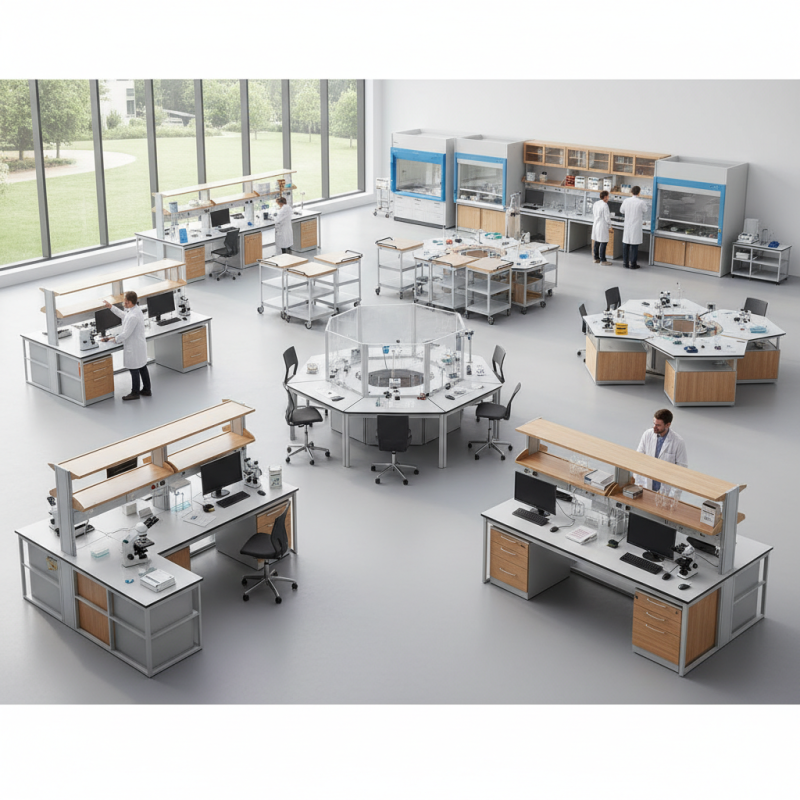
In today's fast-paced research environment, the design of a Lab Workbench plays a crucial role in enhancing productivity. A well-structured lab workbench fosters collaboration among team members. It can support various tasks effectively, from experiments to data analysis.

However, not all designs cater to the needs of every lab. Some workbenches may lack adequate storage, while others might not provide enough workspace. These design flaws can hinder efficiency. It is essential to focus on ergonomics and layout when choosing a workbench. A thoughtful design not only improves workflow but also motivates researchers.

This article explores the top 10 Lab Workbench designs that prioritize both efficiency and collaboration. Each design offers unique features tailored to different laboratory needs. By examining these options, researchers can make informed decisions to optimize their workspace. A well-chosen lab workbench can transform productivity and teamwork.
Top 10 Best Lab Workbench Designs for Optimal Efficiency and Collaboration

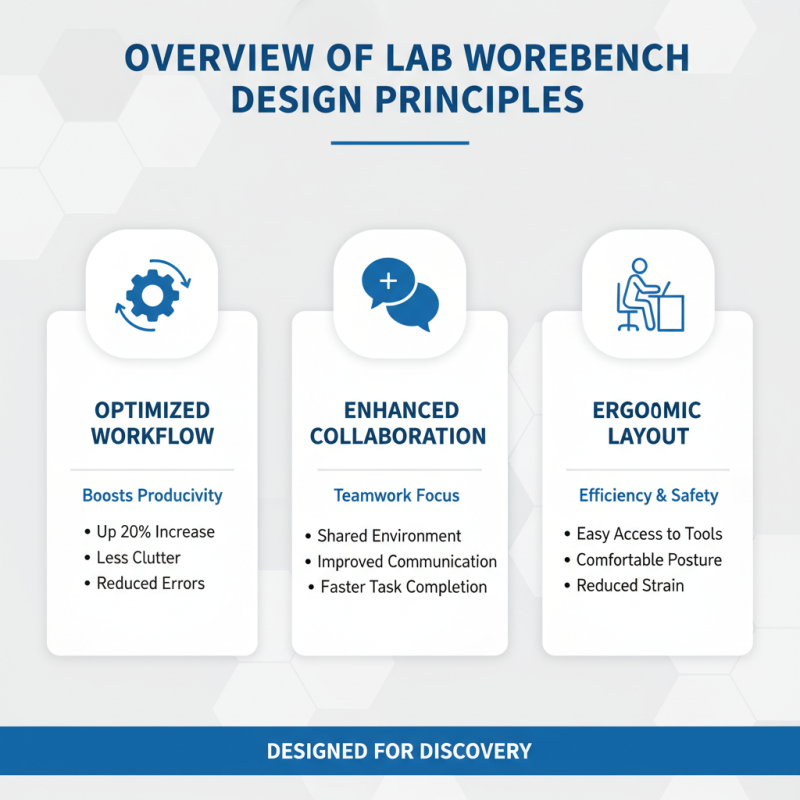
Overview of Lab Workbench Design Principles

Top 10 Best Lab Workbench Designs for Optimal Efficiency and Collaboration

Designing an efficient lab workbench is more than just aesthetics. It is about optimizing workflow. Studies show that well-designed workspaces improve productivity by up to 20%. Proper layout leads to less clutter and enhances collaboration among team members. In labs where teamwork is crucial, creating a shared environment can boost communication, reducing errors and time spent on tasks.

Ergonomics play a critical role in lab design. An ergonomic workbench should allow for easy access to tools and materials. Research indicates that over 40% of lab workers experience physical strain due to poor workstation setups. Adjustable height and movable parts can accommodate individuals of various heights, ensuring comfort and efficiency. Lighting is another vital element. Insufficient lighting can lead to mistakes and accidents, lowering overall output.

Moreover, the choice of materials affects both durability and functionality. For example, non-porous surfaces are easier to clean and help maintain hygiene. This is essential in labs focused on biological research. Reflecting on current setups can reveal shortcomings. Are there areas causing bottlenecks? Collecting feedback from lab personnel can uncover insights that may improve operation. Regular assessments can drive continuous enhancement of lab workbench designs, ensuring they meet evolving needs.

Key Features of Efficient Lab Workbench Layouts

Efficient lab workbench designs play a crucial role in enhancing productivity and collaboration. Studies show that well-organized workspaces can increase efficiency by up to 30%. Thoughtful layouts reduce clutter and enable researchers to focus on their tasks. Essential features include adjustable heights for ergonomic use. This allows personnel of all sizes to work comfortably.

Another key aspect is the inclusion of accessible storage solutions. Researchers need easy access to their tools and materials. Reports suggest that over 40% of lost productivity stems from searching for misplaced items. Consider mobile storage units that allow for flexibility in workspace organization. These can be easily rearranged to suit group projects or individual work.

Tips: Encourage open communication among lab members about layout preferences. Regularly assessing the effectiveness of your layout can reveal areas for improvement. Engage all team members in the design process. This promotes collaboration and maximizes space utility. The emphasis should be on creating a workspace that is dynamic yet functional.

Top 10 Best Lab Workbench Designs for Optimal Efficiency and Collaboration

Lab Workbench Design Key Features Materials Used Ideal Use Case Collaboration Capacity
Modular Design Workbench Adjustable height, reconfigurable sections Steel, laminate Research labs High
Ergonomic Workbench Sit-stand capability, footrests Aluminum, hardwood Academic labs Moderate
Mobile Workbench Wheels, collapsible design Plywood, metal Fieldwork Low
Chemical Resistant Workbench Non-porous surface, chemical resistance Epoxy resin, stainless steel Chemical labs Moderate
Integrated Technology Workbench Built-in monitors, power outlets Wood, metal Tech labs High
Storage Optimized Workbench Drawers and shelves integrated MDF, laminate Teaching labs Moderate
Collaboration Hub Workbench Round shape, group seating Wood, glass Team projects High
Adjustable Shelving Workbench Height adjustable shelves Steel, composite Industrial labs Low
Biotechnology Workbench Built-in biosafety features Stainless steel Biotech labs Moderate
Minimalist Workbench Sleek design, uncluttered space Wood, acrylic Design studios Low

Strategies for Enhancing Collaboration in Lab Spaces

Top 10 Best Lab Workbench Designs for Optimal Efficiency and Collaboration

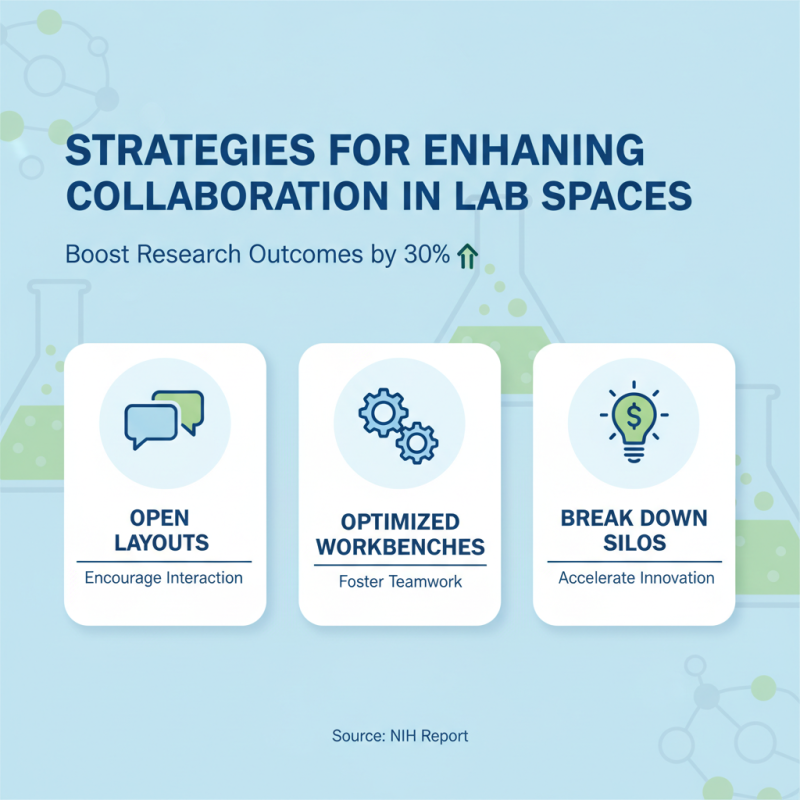
Collaboration in laboratory spaces is crucial for innovation and productivity. A recent report by the National Institutes of Health emphasizes that effective collaboration can enhance research outcomes by up to 30%. Optimizing lab workbench designs can significantly foster these collaborative efforts. Open layouts that encourage interaction can break down silos and promote the flow of ideas.

Incorporating modular workstations can allow teams to adapt their space to fit different projects or collaborative needs. Research indicates that teams working in flexible environments were 20% more productive. This adaptability can minimize distractions and create a more focused atmosphere. However, it can be challenging to find a balance between personal space and communal areas.

Moreover, technology integration in lab spaces should not be overlooked. Tools that facilitate real-time communication, such as digital boards, can enhance collaboration. Yet, reliance on technology may also limit face-to-face interaction. Thus, while designing these workspaces, it’s essential to reflect on how to maintain personal connections within the team. A thoughtful approach to lab design can transform a sterile workspace into a vibrant hub of innovation.

Materials and Ergonomics: Choosing the Right Workbench

Choosing the right materials for lab workbenches greatly affects efficiency and ergonomics. According to the American Industrial Hygiene Association (AIHA), improper workstation design leads to 60% of health issues in laboratories. High-quality workbench surfaces must resist chemicals, be easy to clean, and durable against wear. Steel and laminate surfaces are popular choices, but their eco-friendliness varies.


Ergonomics play a vital role in reducing strain during long hours of lab work. A bench height that accommodates various tasks is crucial. A report by the Occupational Safety and Health Administration (OSHA) suggests that adjustable workbenches can decrease fatigue by 30%. This flexibility allows users to switch between sitting and standing, promoting better posture.


Tip: Invest in anti-fatigue mats for standing work. They can enhance comfort. Regularly assess bench layouts. Ensure equipment is within reach, minimizing unnecessary movements. Reflect on your workspace setup. Sometimes, small adjustments can lead to significant improvements in comfort and productivity in the lab.

Future Trends in Lab Workbench Design for Optimization

In the evolving landscape of laboratory workbench design, optimizing efficiency hinges on future trends. Flexible configurations become crucial. Designers are integrating modular components that foster adaptability. This allows teams to reorganize spaces quickly for various projects. Collaboration is enhanced when workstations cater to diverse tasks. Open layouts encourage spontaneous discussions, leading to creative breakthroughs.

Technology plays a pivotal role in this evolution. Smart surfaces equipped with sensors can track usage and adjust dynamically. This innovation aids in resource management, reducing waste. However, implementing such technology requires careful planning. Not all laboratories may be ready to adopt these advanced solutions due to budget constraints. Therefore, a balance must be achieved between cutting-edge designs and practical affordability.

Ergonomics is another focal point. Designing workbenches that prioritize user comfort can improve productivity. Adjustable heights and supportive seating are essential. But, not every layout will fit all users perfectly; individual preferences vary widely. As we look to the future, designing with a diverse user base in mind will be vital. Continuous feedback from lab personnel can drive these improvements, ensuring workbench designs truly meet the needs of those who use them.