2026 Best Lab Workbench Options for Global Buyers?
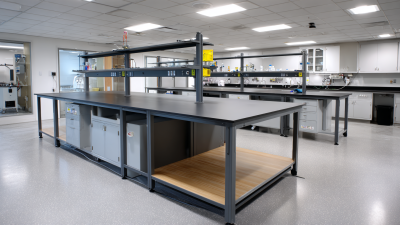
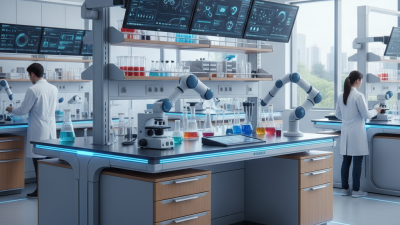
In today's fast-paced scientific landscape, a well-designed Lab Workbench is crucial for efficiency and productivity. Global buyers face an extensive array of options. Selecting the right workbench can greatly impact workflows and research outcomes. Factors such as material durability, ergonomic design, and storage capacity play a vital role in this decision.
A Lab Workbench shouldn’t just meet your immediate needs; it should also adapt to future demands. Whether you're in pharmaceuticals, biotechnology, or educational institutions, the right model can enhance performance and comfort. However, many buyers overlook essential aspects, like workspace organization and mobility. It’s essential to assess your lab's specific requirements deeply.
Investing in a top-quality Lab Workbench is not merely a purchase; it's a long-term commitment. As new technologies and methodologies emerge, flexibility in your workspace is critical. Reflection on current needs can lead to smarter choices. Each laboratory has its unique challenges, and being thoughtful about your Lab Workbench can make a significant difference.

Top Features to Consider When Choosing a Lab Workbench
When choosing a lab workbench, focus on the
design and layout. An ergonomic design supports comfort during long hours.
Height-adjustable options are beneficial for various tasks.
Reliable materials, like chemical-resistant surfaces, enhance durability.
Consider storage solutions. Integrated drawers and shelves keep essential tools organized.
This boosts efficiency during experiments.
Check load capacity. Heavier instruments require sturdy workbenches.
Don't overlook safety features.
Anti-slip surfaces prevent accidents.
Fire-resistant materials can protect against unexpected spills.
Also, evaluate the bench's mobility.
Some labs benefit from movable workstations.
Checking these aspects can help you make a well-informed decision.
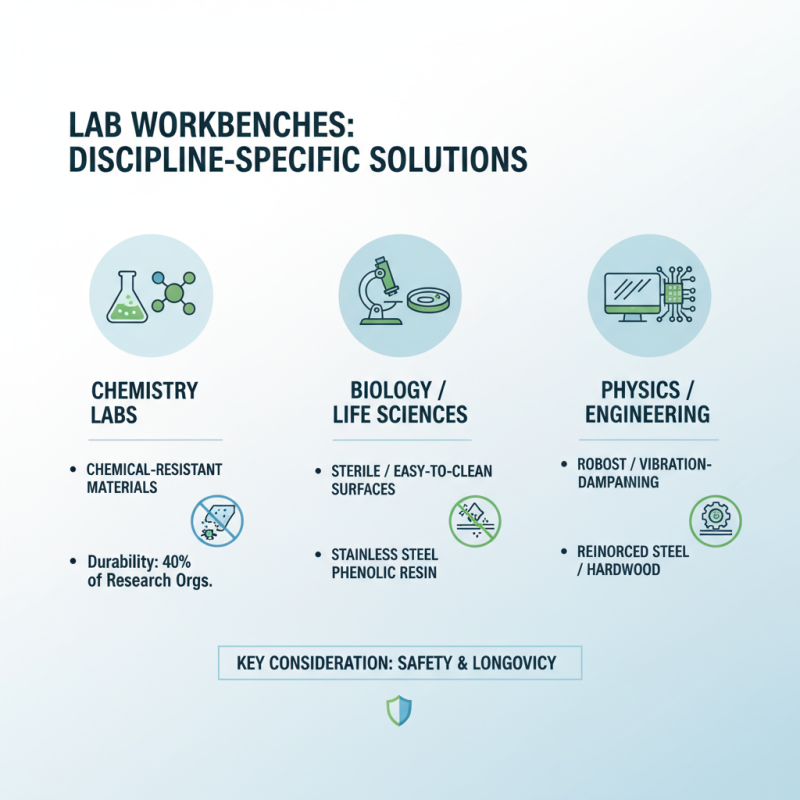
Types of Lab Workbenches Suitable for Different Scientific Disciplines
When choosing a lab workbench, different scientific disciplines require tailored solutions. For instance, chemistry labs often need benches made from chemical-resistant materials. Synthetic resins or epoxy finishes are popular choices. These materials can withstand spills and damage from harsh substances. According to industry reports, around 40% of research organizations prioritize durability in lab designs. This focus ensures a safer working environment.
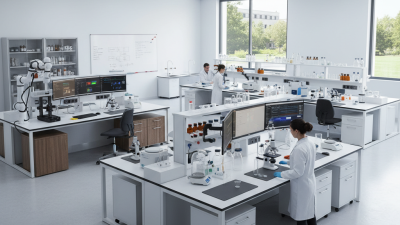
In biology labs, flexibility is crucial. Modular workbenches that can be reconfigured are highly valued. Labs often conduct varied tasks, from microbiology to molecular genetics. A report from the American Society for Laboratory Automation shows that 65% of labs prefer adaptable designs. This versatility enhances workflow efficiency and accommodates future changes in research protocols.
However, one must consider potential limitations. Not all benches offer the same level of customization. Some may lack storage solutions or ergonomic features. It's essential to evaluate the specific needs of your laboratory. Balancing functionality, durability, and cost can be challenging, yet it is critical for optimal lab performance.
Comparative Analysis of Material Durability in Lab Benches
When choosing a lab workbench, material durability is crucial. Since lab environments can vary greatly, selecting the right materials affects bench longevity. Common options include wood, metal, and synthetic surfaces. Each material has distinct properties that cater to different lab needs.
For instance, metal benches, often stainless steel, offer resistance to chemicals and high temperatures. They are sturdy but can be prone to scratches. On the other hand, wood provides a warm feel and good shock absorption but may not withstand harsh chemicals. Synthetic surfaces are gaining popularity due to their versatility and uniformity. However, some may degrade under extreme conditions.
Many buyers overlook maintenance needs. Regular cleaning can extend bench life, regardless of material. Still, users must assess their specific lab activities. A durable bench might not be the best fit if it can't handle certain chemicals. It’s also essential to weigh the cost against durability. Investing in the right materials can save money and time in the long run. A practical choice should reflect both immediate needs and potential future challenges.
2026 Best Lab Workbench Options for Global Buyers
| Material |
Durability Rating (1-10) |
Resistance to Chemicals |
Weight Capacity (kg) |
Price Range ($) |
| Phenolic Resin |
9 |
High |
400 |
800 - 1200 |
| Stainless Steel |
8 |
Moderate |
500 |
1000 - 1500 |
| Laminate |
6 |
Low |
200 |
300 - 600 |
| Epoxy Resin |
9 |
High |
350 |
700 - 1100 |
| Wood |
5 |
Low |
150 |
200 - 400 |
Global Market Trends in Lab Workbench Manufacturing
The global lab workbench market is evolving. Recent reports indicate that the demand for ergonomic and customizable options is on the rise. As laboratories seek to improve efficiency, the design of workbenches is becoming increasingly important. The market is projected to grow by 5.1% annually, reflecting a shift towards innovative manufacturing approaches.
Global trends show that sustainability is also a priority. Manufacturers are adopting eco-friendly materials. A study by MarketsandMarkets highlights that 40% of buyers prefer sustainable solutions. This indicates a significant shift in purchasing behavior. Workbench designs that prioritize a cleaner environment are gaining traction.
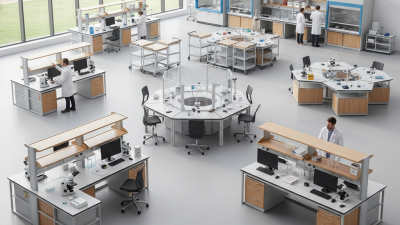
Tips: When selecting a lab workbench, consider your workflow. Each layout needs to support specific tasks. It's crucial to assess the available space. Think about adjustable features for flexibility. Customization can lead to better productivity but also requires careful planning.
Tips for Customizing Your Lab Workbench for Specific Needs
Customizing a lab workbench is essential for optimizing workflow. Different labs have unique requirements based on their specific use cases, whether in healthcare, research, or manufacturing. According to a recent study conducted by Lab Manager, 72% of lab professionals believe that personalized workspaces enhance productivity. A tailored workbench can significantly reduce time spent on repetitive tasks.
When customizing, consider factors like size and surface material. For example, a durable, chemical-resistant surface can withstand spills. Adjustable heights can accommodate various tasks and user preferences. However, the customization process is not always straightforward. For instance, a design that works well for one lab may not fit another. Missteps can lead to wasted resources and affect overall efficiency.
Incorporating modular components can address changing needs. A report from the National Institute of Standards and Technology found that agile lab designs can improve flexibility by 60%. While staying flexible is beneficial, frequent redesigns may result in increased costs and disruptions. A balance is crucial. Always assess specific lab requirements before diving into customization.
2026 Best Lab Workbench Options for Global Buyers