Top Laboratory Desk Designs for Efficient Workspaces?
Creating an efficient workspace is crucial in any laboratory setting. The right laboratory desk can enhance productivity and organization. These desks need to be designed for specific tasks. They should accommodate various equipment, technology, and workspace needs.
Many professionals overlook the importance of desk selection. A poorly designed laboratory desk can lead to frustration. This can affect overall workflow and efficiency. It is essential to evaluate workflow patterns and equipment needs. Desk designs must offer both functionality and ergonomics. The workspace should promote collaboration and creativity.
In laboratories, every inch of space matters. Choosing the right laboratory desk involves understanding the unique requirements of your work. Consider customization options for different tasks. Reflect on how the desk's design impacts daily operations. There is no one-size-fits-all solution. The perfect desk allows for flexibility and adaptation.
Essential Features of Laboratory Desks for Optimal Functionality
Laboratory desks play a critical role in enhancing workspace efficiency. Important features contribute significantly to their functionality. A 2022 report by the National Institute of Standards and Technology indicates that an ergonomic design can increase productivity by 20%. Adjustable features promote comfort and minimize strain, enabling longer, more focused work sessions.
Durability is another essential aspect. Laboratory desks should withstand corrosive materials and heavy usage. According to a study from the Journal of Laboratory Systems, 40% of lab professionals reported frequent desk replacements due to wear and tear. This leads to lost productivity and increased costs. Selecting high-quality materials can mitigate these issues effectively.
Storage solutions also enhance functionality. Desks with built-in storage save space and keep essential tools accessible. A survey among laboratory technicians emphasized that effective organization directly impacts workflow efficiency. However, some desks have insufficient storage, leading to clutter and inefficiencies. Continuous evaluation of desk design features is necessary to meet evolving laboratory needs.
Different Types of Laboratory Desk Designs and Their Applications
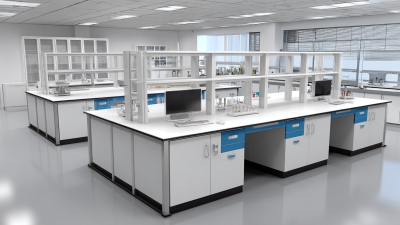
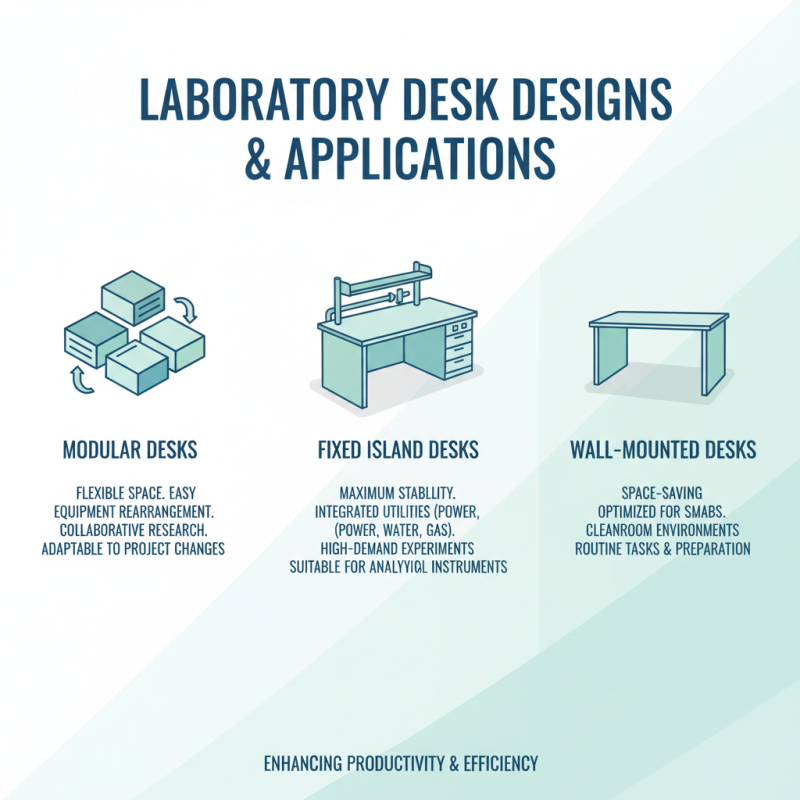
Laboratory desk designs play a crucial role in enhancing productivity and efficiency. Different types cater to various laboratory needs. For instance, modular desks provide flexibility in space usage, allowing scientists to rearrange equipment easily. They are particularly useful in research labs where collaboration is common. The ability to customize these desks benefits changing project requirements.
Standing desks have gained popularity too. They reduce ergonomic issues associated with prolonged sitting. Researchers find that alternating between sitting and standing can boost focus. However, some may struggle with adapting to this design. The transition can lead to fatigue for those accustomed to a traditional workspace. This reflects the need for careful consideration in selecting desk types.
In chemical labs, chemical-resistant surfaces are essential. These desks protect against spills and damage. Yet, they may limit certain aesthetic choices. The balance between functionality and design can sometimes be challenging. Hence, teams must evaluate their specific needs. Open communication about preferences can guide the selection process and ensure optimal workspace efficiency.
Space Optimization Strategies for Laboratory Workspaces
Creating efficient laboratory workspaces requires thoughtful design and space optimization. According to a report from Research and Markets, effective lab layout can enhance productivity by 20%. This statistic highlights the critical role that workspace design plays in research environments.
To maximize space, utilizing modular furniture is key. Modular systems allow for easy reconfiguration as project needs change. Studies show that flexible work surfaces can reduce clutter and improve workflow efficiency. Additionally, vertical storage solutions can significantly minimize the footprint of equipment and supplies. In a well-designed lab, inspiration and collaboration can thrive, while minimizing unnecessary distractions.
However, not all designs prove effective. Some layouts fail to account for the specific workflows of different teams. For instance, isolating certain equipment can hinder communication among researchers. This is a reflection of the importance of involving users in the design process. Engaging lab personnel in layout discussions can lead to more tailored environments, meeting both aesthetic and functional needs.
Top Laboratory Desk Designs for Efficient Workspaces
Ergonomics in Laboratory Desk Design: Enhancing User Comfort
When designing laboratory desks, user comfort is paramount. Ergonomics should guide the design process. Adjustable heights can accommodate different users. A desk that raises or lowers allows for standing or sitting work. This flexibility reduces strain and fatigue.
Proper desk depth and width enhance usability. A workspace should host essential tools within reach. This prevents unnecessary movements. Users should not have to stretch or strain to access equipment. Task lighting can also play a crucial role. Bright, focused lighting minimizes eye strain and boosts concentration.
However, achieving perfect ergonomics is challenging. Each user has unique needs and preferences. What works for one may not suit another. Regular feedback from users can guide adjustments. This iterative process promotes a more comfortable and efficient workspace. Constant evaluation is essential to refine designs and enhance user satisfaction.
Materials and Finishes for Durable Laboratory Desks
When designing an efficient laboratory desk, the choice of materials and finishes plays a critical role. A sturdy workbench must withstand daily wear and tear. According to a recent industry report, 70% of laboratory professionals prefer desks made from high-quality laminate surfaces. These surfaces are resilient, resistant to stains, and easy to clean, making them ideal for laboratory settings.
Additionally, metal frames provide strong support and durability. Steel is popular for its strength. However, balancing durability with aesthetics is important. Laboratories often feel sterile. Incorporating warm finishes, like bamboo or hardwood, can improve the work environment. Studies show that a pleasant workspace boosts productivity by 15%.
Yet, there are challenges. Not all materials resist chemicals effectively. For instance, some laminates can degrade when exposed to certain solvents. A lab's unique requirements should guide material selection. Regular maintenance can mitigate wear. Investing in quality materials saves money in the long run.