2026 Top Trends in Pharmaceutical Laboratory Bench Technology?
The evolving landscape of pharmaceutical laboratory bench technology is critical for industry innovation. In 2022, the global pharmaceutical lab market was valued at approximately $25 billion. This number is expected to grow significantly by 2026. Emerging technologies are reshaping how researchers conduct experiments on the bench level. Automation, robotics, and AI are becoming commonplace.
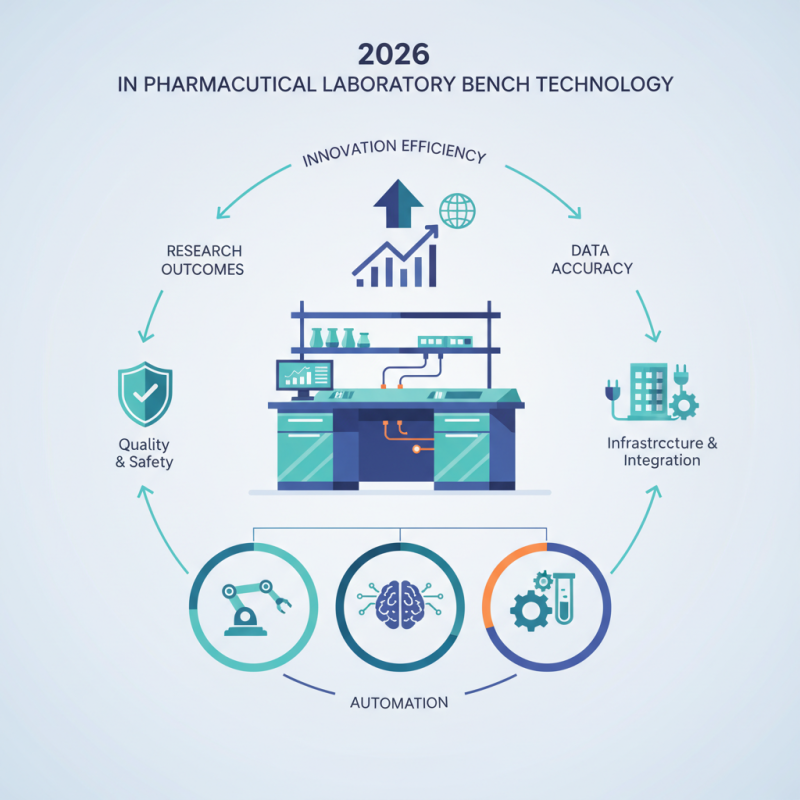
Pharmaceutical laboratory benches must adapt to these trends. Labs that utilize advanced bench technologies can improve efficiency and data accuracy. According to a recent report, 70% of laboratories plan to invest in these technologies. However, this rapid technological integration poses challenges. Not all labs have the necessary infrastructure to support these advancements.
As we explore the top trends for 2026, we must reflect on the balance between innovation and practicality. The focus should remain on how these changes will enhance research outcomes. Commitment to quality and safety in pharmaceutical laboratory benches remains paramount. Industry stakeholders need to ensure reliability as they embrace new technologies.
Emerging Technologies in Pharmaceutical Laboratory Bench Equipment
The pharmaceutical laboratory landscape is evolving rapidly. Emerging technologies are reshaping bench equipment. Automation, artificial intelligence, and advanced analytics lead the charge. Reports indicate that the global lab automation market could reach $6.8 billion by 2025, growing at nearly 8% annually. This trend emphasizes the need for efficient, precise, and streamlined workflows.
Lab automation can significantly reduce human error. It improves reproducibility in experiments. For example, automated liquid handling systems create consistent results. Designing equipment for user-friendly interfaces is crucial. However, staff training remains a challenge. Many professionals feel underprepared to operate new systems. Understanding this balance is essential.
Incorporating data analytics can enhance decision-making. AI tools analyze trends and predict outcomes. Future laboratories will rely more on predictive analytics. These technologies enable faster drug discovery and development. Yet, integrating them may disrupt existing processes. Labs should remain adaptable to thrive in a changing environment.
Tips: Regular training sessions for staff can ease the transition. Encourage open communication about new technologies. Collaborate with tech experts to ensure smooth implementation.
2026 Top Trends in Pharmaceutical Laboratory Bench Technology
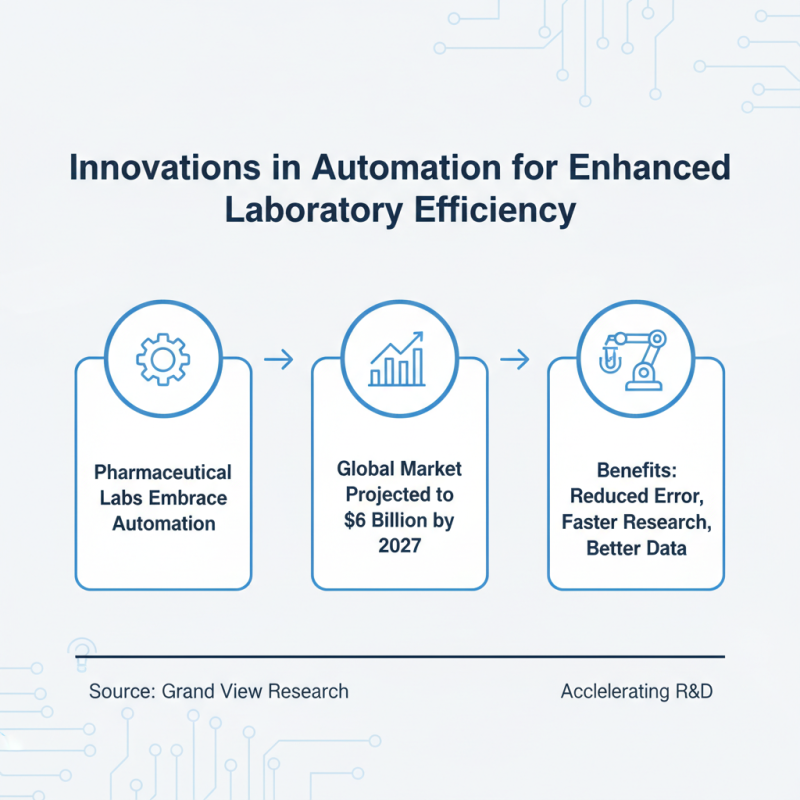
Innovations in Automation for Enhanced Laboratory Efficiency
In recent years, automation has become a cornerstone in pharmaceutical laboratory settings, driving efficiency and accuracy. According to a report by Grand View Research, the global laboratory automation market is projected to reach $6 billion by 2027. This surge reflects a growing recognition of the need for robust, automated systems to handle repetitive tasks and data management. Automation not only reduces human error but also accelerates the pace of research and development.
Implementing automated systems can significantly enhance laboratory workflows. For instance, automated liquid handling systems can increase throughput while maintaining precise pipetting accuracy. However, integrating these technologies can be challenging. Laboratories may struggle with the initial investment or the need for staff training. Finding a balance between automation and human oversight is crucial for achieving optimal results.
**Tip:** Evaluate your lab’s specific needs before investing in automation technology. This will help you choose systems that align with your objectives.
Despite the numerous benefits, laboratories must continuously reflect on their automation strategies. The risk of over-reliance on machines exists, which could hinder critical thinking and innovation. Maintaining a synergy between automation and human expertise can lead to more innovative solutions.
**Tip:** Regularly assess the effectiveness of your automation systems. This can foster a culture of continuous improvement and adaptation.
Advancements in Analytical Instruments for Drug Development
The pharmaceutical industry is witnessing significant advancements in analytical instruments, particularly for drug development. According to a report by Grand View Research, the global market for laboratory analytical instruments is projected to reach $30 billion by 2027. This growth reflects the increasing demand for precise measurements and data reliability in drug discovery processes.
Modern chromatographic techniques and mass spectrometry are becoming more prevalent. These technologies enable scientists to identify drug compounds with exceptional accuracy. Data from the Pharmaceutical Research and Manufacturers of America highlights that 75% of drug candidates fail during development. This underscores the need for advanced analytical methods to facilitate better decision-making early in the drug development pipeline.
Moreover, automation is revolutionizing laboratory workflows. The integration of AI in data analysis shows promise in predicting outcomes more efficiently. However, reliance on automated systems may introduce new uncertainties. Laboratories must continually assess their methodologies to ensure they do not overlook crucial factors in the analytical process. The balance between innovation and rigor remains a challenge in this rapidly evolving field.
Trends in Data Management and Software Solutions in Laboratories
The landscape of pharmaceutical laboratory technology is changing rapidly.
Data management and software solutions are at the forefront of this evolution.
From automated systems to cloud-based storage, laboratories are adopting innovative technologies to enhance efficiency.
Data integrity remains critical. Many labs still struggle with data entry errors and system integration issues.
Investing in user-friendly software can minimize mistakes. With real-time data analysis, decision-making becomes faster.
However, not every lab is responding equally to these trends. Some are hesitant to embrace technology fully, citing concerns about costs and training.
Negative experiences with past technologies might also hinder progress.
- Tips: Regular training on new software tools is essential. This keeps staff updated and reduces frustration.
- Evaluate various software options carefully. Consider scalability and user feedback.
- Furthermore, a pilot program can help identify potential hurdles before full implementation.
- Seek solutions that facilitate collaboration among teams. This not only improves workflow but also fosters a culture of innovation.