Why Choose the Right Pharmaceutical Laboratory Bench for Your Needs?
In today's fast-evolving pharmaceutical industry, choosing the right Pharmaceutical Laboratory Bench is crucial. With an expected market growth of 6.5% annually, selecting the optimal bench can enhance productivity and safety. Dr. Emily Carter, a leading expert in laboratory design, emphasizes, "A well-designed laboratory bench significantly impacts workflow efficiency."
The right bench not only supports equipment but also optimizes your workspace. Factors like height, material, and storage should be considered. According to a recent industry report, 65% of laboratory errors stem from inadequate workspace design. This highlights the importance of thoughtful selection.
However, it’s not as straightforward as it seems. Customization may lead to higher costs, and maintaining flexibility is vital. Balancing budget constraints with practical needs can be challenging. As laboratories strive for efficiency, the choice of a Pharmaceutical Laboratory Bench becomes increasingly significant.

Factors to Consider When Selecting a Pharmaceutical Laboratory Bench
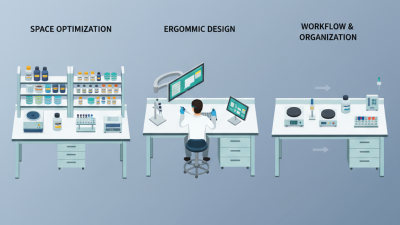
Selecting the right pharmaceutical laboratory bench requires careful thought. Different labs have unique workflows and needs. A well-designed bench should enhance productivity and ensure safety. According to the International Society for Pharmaceutical Engineering (ISPE), an ergonomic workspace can improve efficiency by up to 25%.
A critical factor is the material used in the bench. Stainless steel is popular due to its durability and ease of cleaning. However, it may not always be the best choice for every lab's specific requirements. Wood, for example, offers warmth but can be more challenging to sanitize. The American Industrial Hygiene Association (AIHA) reports that the choice of materials can significantly impact contamination risks.
The size and configuration of the bench also matter. A bench that is too small can hamper work processes. Flexibility in the design allows for future modifications as lab workflows evolve. As per recent industry surveys, 30% of laboratories noted the need for bench adjustments within three years of installation. It reveals that anticipating future needs is essential but overlooked often. Careful assessment of these factors leads to improved lab performance.
Why Choose the Right Pharmaceutical Laboratory Bench for Your Needs?
| Criteria |
Description |
Importance Level |
| Material |
The type of material influences durability and cleanliness. |
High |
| Size |
Bench size must fit your lab space and accommodate equipment. |
Medium |
| Weight Capacity |
Ensure it can support the necessary equipment and materials. |
High |
| Ergonomics |
Promotes comfort and reduces strain during work. |
Medium |
| Storage Solutions |
Integrated storage can help in organizing lab materials. |
Medium |
| Price |
Budget considerations are crucial for project feasibility. |
High |
| Customization Options |
Ability to modify according to specific lab needs. |
Medium |
Types of Pharmaceutical Laboratory Benches and Their Uses
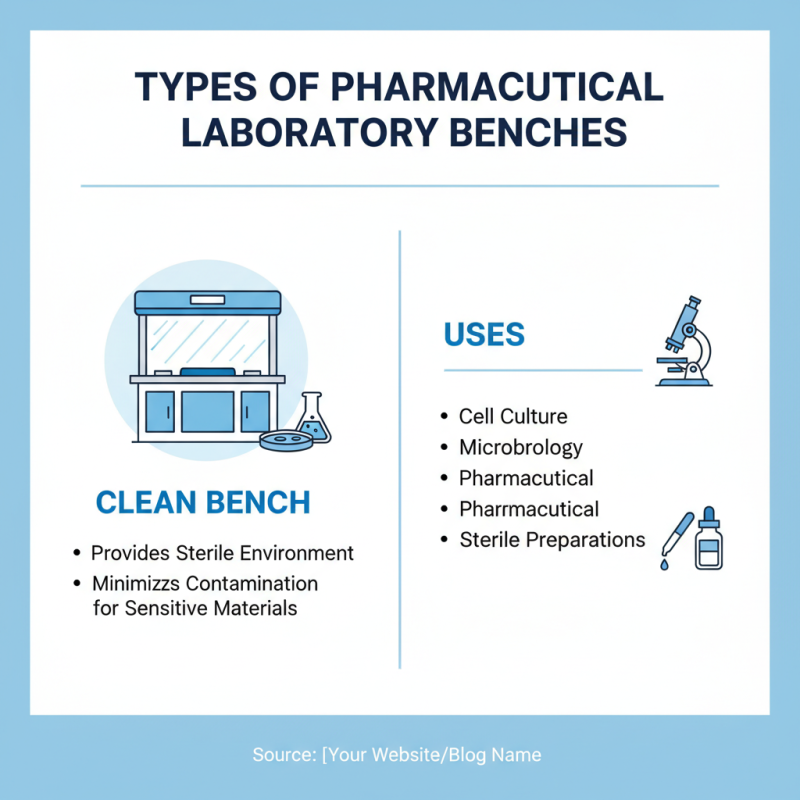
When selecting a pharmaceutical laboratory bench, understanding the types available is crucial. There are various options designed for different tasks. For instance, a clean bench provides a sterile environment, ideal for working with sensitive materials. It helps minimize contamination risks, ensuring accurate results in your experiments.
Another option is the mobile bench. This bench offers flexibility and mobility. It can be adjusted to different heights, catering to ergonomic needs. However, it may lack the stability required for heavy equipment. Users need to weigh the pros and cons carefully. Some may find the movement an advantage, while others prefer a fixed setup.
Storage benches are designed for efficiency and organization. They usually feature built-in cabinets and drawers. This design helps keep essential tools and materials within easy reach. However, if not adequately organized, they can become cluttered quickly. Regular maintenance and organization are key to keeping these benches functional and effective. Each type serves a specific purpose, so it is vital to match the bench to your laboratory's needs.
The Importance of Ergonomics in Laboratory Bench Design
When designing laboratory workspaces, ergonomics plays a crucial role. A well-designed laboratory bench can enhance productivity and reduce strain. According to a report from the American National Standards Institute (ANSI), improper workstation design can lead to decreased performance and long-term health issues. Ergonomic considerations range from bench height to layout and access to equipment.
It’s essential to create an environment that accommodates all users. A height-adjustable bench may cater to both shorter and taller staff. Proper spacing between equipment minimizes repetitive strain injuries. The Occupational Safety and Health Administration (OSHA) notes that ergonomic improvements can lead to a 20% boost in efficiency.
Tips: Ensure your bench has enough clearance for legroom. Regularly evaluate your setup based on employee feedback. Small adjustments can lead to significant benefits. Prioritize comfort and accessibility in your design approach. Always consider a diverse user base when finalizing your laboratory bench layout. Engage with staff to identify pain points and adjust accordingly.
Importance of Ergonomics in Laboratory Bench Design
Key Features of an Ideal Pharmaceutical Laboratory Bench
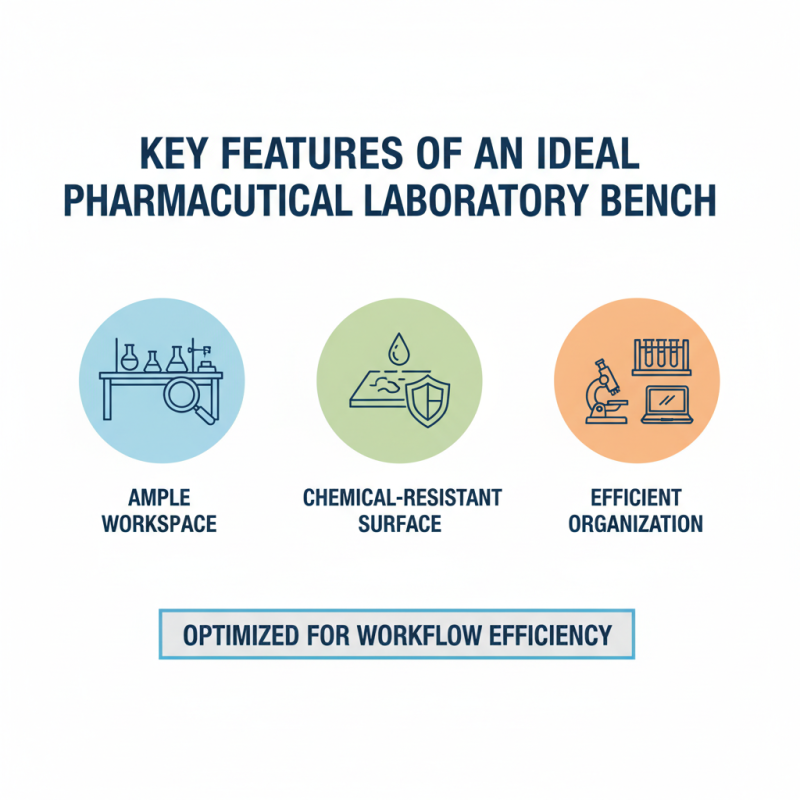
Choosing the right pharmaceutical laboratory bench is crucial for workflow efficiency. An ideal bench should offer ample workspace. This space allows for various equipment and materials to be organized effectively. A surface resistant to chemicals is essential. This helps maintain the integrity of both the bench and the samples.
In addition to surface materials, height adjustability is important. Different tasks require varying heights to minimize strain. A bench with an ergonomic design can enhance comfort, promoting productivity over long hours. Storage options, like drawers and shelves, provide easy access to essential tools. Yet, this design can sometimes lead to clutter if not managed properly.
Another key feature is compatibility with laboratory equipment. Ensuring a proper fit for centrifuges, microscopes, or other devices saves time. However, accommodating all equipment can make the bench seem overcrowded. Evaluating the specific needs of your laboratory can prevent these issues. A well-thought-out design balances space and functionality, fostering an effective research environment.
Budgeting for Your Pharmaceutical Laboratory Bench Purchase
When budgeting for your pharmaceutical laboratory bench, the first step is to identify your specific needs. Different projects require various features. Consider aspects like material durability, size, and adaptability. A bench that is too small can limit your workspace, while one that is overly large may strain your budget.
Costs can quickly add up. It's crucial to outline all potential expenses. Think beyond the initial purchase. Installation, maintenance, and potential renovations can impact your financial planning. Look for options that offer longevity without sacrificing quality. Sometimes, a lower-priced bench can lead to higher costs in the long run.
Finally, assess your available funds and prioritize accordingly. If your budget is tight, consider flexible financing options or second-hand benches. These may provide access to better features at a lower cost. Always ensure that your choices align with regulatory standards. It’s important to invest wisely, as your bench plays a vital role in your laboratory's productivity and compliance.