2026 Top Lab Desk Types for Global Buyers?
Choosing the right Lab Desk in 2026 requires more than comparing colors, sizes, and catalog prices. Global buyers now examine workflow, safety, durability, cleanability, and long-term adaptability. A desk may look modern, yet fail when cables crowd the rear channel or chemical-resistant surfaces stain after repeated use.
Laboratory architect Andrea Love captures this design priority in one practical observation: “The best laboratory design supports the science without calling attention to itself.” That principle guides this review of the leading Lab Desk types for international purchasing teams. It applies to height-adjustable desks, fixed technical benches, mobile workstations, modular island desks, and specialized instrument tables.
Each type answers a different operational need. A height-adjustable desk supports changing postures during long analysis sessions. A mobile unit helps teams reconfigure rooms quickly. A modular bench offers better expansion when equipment grows. Instrument desks need stronger load ratings and controlled vibration. The details matter.
Small details often decide performance.
This guide considers real purchasing conditions, including flat-pack shipping, replacement parts, regional electrical requirements, and installation access. Buyers should also question supplier claims. “Universal” compatibility may still exclude local plug systems or specific laboratory equipment. Sustainability deserves scrutiny too, because recycled content does not automatically guarantee durability.
There is no perfect desk for every laboratory. That is worth admitting. The best choice depends on users, instruments, cleaning routines, room planning, and budget discipline. These 2026 categories provide a clearer starting point for buyers seeking reliable, adaptable, and professionally specified laboratory furniture.
Main Types of Laboratory Desks for Global Buyers in 2026
Main Types of Laboratory Desks for Global Buyers in 2026
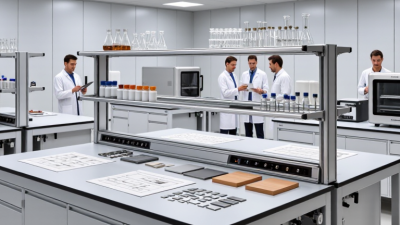
Fixed-height laboratory desks remain practical for routine testing, writing, and instrument preparation. Their rigid frames support stable work, especially when equipment creates vibration. Buyers should check the frame load rating, surface thickness, and under-desk clearance. A desk that looks strong may still flex under concentrated weight.
Height-adjustable desks support mixed teams and reduce uncomfortable working positions. Electric models suit long testing sessions, while manual systems offer simpler maintenance. Mobile laboratory desks include lockable casters and help teams reconfigure rooms quickly. They work well in teaching laboratories, but wheels can reduce stability on uneven floors. Check the locking mechanism carefully.
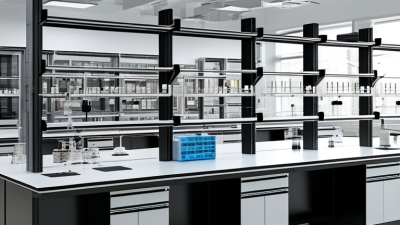
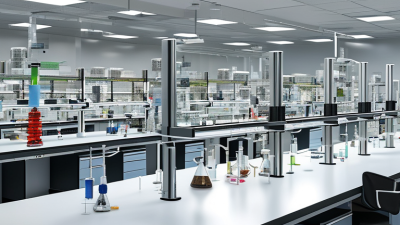
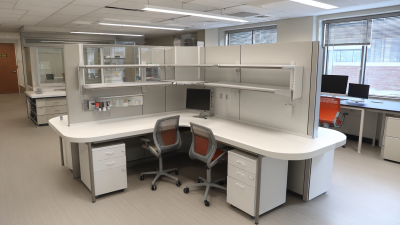
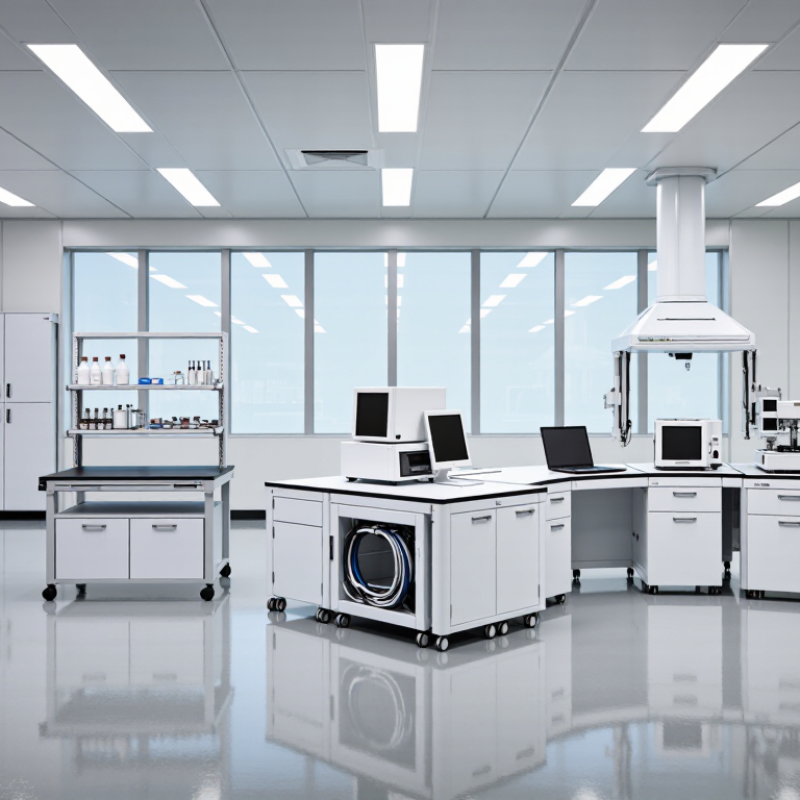
Modular laboratory desks combine worktops, storage units, service panels, and shelving. They fit expanding laboratories and support different workflows, such as sample preparation or measurement. Corner desks use limited floor space efficiently, though their rear areas can become difficult to clean. Stainless steel surfaces suit moisture and frequent disinfection. Resin-based or compact laminate surfaces may offer better comfort for general laboratory work. Material selection depends on chemicals, heat, cleaning agents, and expected impact.
Global buyers should request dimensional drawings, material specifications, warranty terms, and verified test documentation. Electrical access must match local requirements. Service connections also need professional review before installation. One common mistake is choosing appearance over workflow. The desk may look modern but leave too little knee space, storage, or cable access. Careful evaluation is still necessary.
Materials, Construction, and Performance Features to Compare
2026 Top Lab Desk Types for Global Buyers
Materials, Construction, and Performance Features to Compare
For global laboratory buyers in 2026, desk selection starts with the work, not appearance. Wet chemistry stations need chemically resistant worktops, while electronics benches need static control and clean cable routing. Epoxy resin tolerates heat and many aggressive reagents, but it is heavy and costly to ship. Phenolic resin is lighter and practical for routine testing. Stainless steel supports hygiene and impact resistance, although scratches can reveal poor maintenance.
Construction matters as much as material. Compare welded frames with mechanically joined frames, then inspect joints, leveling feet, rear upstands, and service panels. A rigid frame should not sway when a centrifuge runs nearby. Adjustable feet help on uneven floors. Details decide performance. Powder-coated steel can resist daily moisture, but damaged edges may corrode. Sealed plywood cores offer useful stability; exposed cut edges do not. Ask for load ratings, fire information, and chemical compatibility data. Do not rely on photographs alone.
Performance should be measured in ordinary moments. Can two users work without knee collisions? Does the surface clean after a stained buffer spills? Are replacement parts available across borders? I have found that a beautiful desk may fail through weak hinges or awkward sockets. That is an uncomfortable procurement lesson. Buyers should request sample panels, assembly drawings, warranty terms, and independent test evidence. One surface rarely suits every room, and even reliable specifications deserve a second review before purchase.
Safety, Ergonomics, and Compliance Requirements by Application
2026 Top Lab Desk Types for Global Buyers?
Safety, Ergonomics, and Compliance Requirements by Application
Laboratory desks now serve different risks, workflows, and cleaning routines. Wet chemistry rooms need chemical-resistant surfaces, raised service zones, and rounded edges. Spill containment matters. Adjustable-height desks help analysts alternate between seated and standing work. Knee clearance should support natural posture without blocking emergency access.
Electronics and instrument labs require stable frames, cable management, and reliable grounding paths. Anti-static surfaces may be necessary near sensitive components. Cleanroom desks should use low-shedding materials, sealed joints, and smooth surfaces that tolerate repeated disinfection. Avoid hidden gaps. They collect contamination quickly. Teaching laboratories need durable benches, visible circulation routes, and fixed equipment that cannot easily tip.
Global buyers should verify local fire, electrical, workplace safety, accessibility, and chemical-handling requirements before ordering. Standards may differ between the installation country and the manufacturing country. Request material data, load ratings, cleaning resistance, and test records from the supplier. A compliance label alone proves little without supporting documents. Field reviews often find that a technically strong desk still creates awkward reach distances. Our first layout was too dense, and users crossed active work zones unnecessarily. That mistake changed the specification. Measure real equipment, user height ranges, door swings, and evacuation paths before approving production.
2026 Top Lab Desk Types for Global Buyers
Safety, ergonomics, and compliance-oriented working-height targets by laboratory application
Seated microscopy and analytical work
Typical fixed work surfaces are approximately 680–760 mm high, supporting seated posture, instrument access, and adequate leg clearance.
Standing wet-chemistry preparation
A working height of approximately 900–1050 mm is commonly used to reduce excessive bending during repetitive preparation tasks.
Height-adjustable mixed-use desks
A broad adjustment range of approximately 650–1250 mm supports seated and standing work across different users and equipment types.
Accessible laboratory workstations
Accessible designs commonly keep the usable surface at or below approximately 865 mm, with knee and toe clearance verified against the applicable local standard.
Values are engineering design targets compiled from widely used ergonomic and accessibility conventions. Final specifications should be checked against the project location, risk assessment, accessibility rules, chemical-safety requirements, and applicable laboratory standards.
How to Select the Right Lab Desk for Different Global Markets
Selecting a lab desk starts with the work, not the catalog photograph. A wet chemistry room may need a corrosion-resistant, sink-ready bench with a raised rear edge. For microscopy, a rigid desk with low vibration matters more than extra drawers. I have seen attractive benches fail when cables crossed wet zones. That mistake is common.
Global buyers should match materials to climate and maintenance habits. In humid Southeast Asian laboratories, sealed surfaces and adjustable feet help reduce moisture damage. Dry, dusty markets may favor enclosed storage and smooth edges that clean quickly. European projects often prioritize documented load ratings, ergonomic dimensions, and controlled installation details. North American users may prefer modular desks for equipment changes and future expansion. These are tendencies, not rules.
Measure doorways, lifts, service points, and operator reach before ordering. A 1,500-millimeter desk can look practical until a narrow lift blocks delivery. Check chemical compatibility with actual solvents, not general material labels. Ask for test reports, load data, warranty terms, and replacement-part access. Local technicians should confirm anchoring and utility connections. I would also leave spare capacity, though this can increase cost. Over-specifying every feature is another mistake. A simpler desk may serve better when daily cleaning and training are priorities.