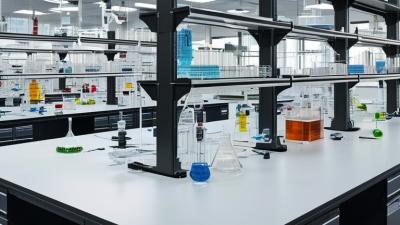
Selecting a Pharmaceutical Laboratory Bench is a practical decision about safety, accuracy, and workflow control. In a modern laboratory, the bench supports weighing, sample preparation, documentation, and equipment placement. Its surface must resist common solvents, disinfectants, stains, and repeated cleaning. Its structure should also support stable instruments, organized cables, and easy inspection beneath the worktop. Small details matter. A raised rear edge can contain spills. Smooth joints reduce hidden residue. Adjustable height may reduce awkward reaching during long analytical sessions.
Professional guidance supports this careful approach. The World Health Organization’s Laboratory Biosafety Manual, 4th edition, emphasizes risk assessment, cleanable work areas, and appropriate laboratory practices. ISO/IEC 17025:2017 links reliable testing results with controlled facilities, suitable equipment, and consistent operating conditions. The FDA’s Data Integrity and Compliance With Drug CGMP guidance also stresses trustworthy records and controlled processes. A well-designed Pharmaceutical Laboratory Bench cannot create compliance alone, but it can make good practice easier to repeat.
That distinction matters.
A heavy steel frame may improve stability, yet it can complicate relocation. A chemical-resistant laminate may simplify cleaning, yet damage can appear after years of harsh exposure. These trade-offs deserve honest review before purchase. Laboratory managers should compare load capacity, surface compatibility, ergonomic dimensions, maintenance access, and supplier documentation. The best choice depends on the laboratory’s actual tasks, not a glossy catalogue image. This is where experience becomes valuable: observe the analyst’s movements, inspect cleaning routines, and test how samples, notebooks, and instruments share the same limited space. A bench should support disciplined work without pretending to solve every laboratory risk.

A pharmaceutical laboratory bench is a specialized work station for testing, measuring, preparing, and documenting pharmaceutical samples. It is more than a flat table. Its surface must resist chemicals, moisture, staining, and repeated cleaning. A suitable bench may include sealed joints, adjustable height, service outlets, storage, and space for instruments. These details support safer, more consistent laboratory work.
The bench also helps control contamination and workflow errors. The WHO Laboratory Biosafety Manual, 4th edition, recommends risk-based controls, clear separation, and cleanable surfaces. WHO’s Global Patient Safety Report 2024 states that about one in ten patients experiences harm during healthcare, with more than half considered preventable. Laboratory design cannot remove every risk. It can reduce avoidable confusion.
A pharmaceutical bench should match the process. Sample preparation may need splash protection and easy access to waste containers.
Analytical work may require vibration control and stable instrument placement. Sterile activities demand stricter environmental controls than routine documentation.
Small details matter.
Poorly positioned cables can obstruct cleaning. Crowded drawers can delay sampling. A bench that looks modern may still perform poorly. This is where judgment becomes important. Standard specifications help, but real users reveal weaknesses during daily work. USP General Chapter <797> and EU GMP Annex 1 also emphasize contamination control, supporting a design based on documented risk rather than appearance.

Safe pharmaceutical research begins with a laboratory bench designed for controlled, repeatable work. A suitable bench provides a stable surface for balances, mixers, glassware, and analytical instruments. Its chemical-resistant finish helps prevent damage from routine spills and cleaning agents. Rounded edges and sealed joints reduce places where residues can collect. Small details matter.
In daily laboratory practice, workers need clear separation between clean materials, samples, and waste. A well-planned bench supports this separation through practical storage, raised edges, and accessible service connections. Strong construction also limits vibration during weighing or measurement. Adjustable height can reduce awkward posture during long procedures. However, a bench does not replace proper ventilation, personal protective equipment, or validated operating procedures.
Reliable safety depends on more than appearance. Laboratory teams should check load capacity, surface compatibility, grounding, and resistance to repeated disinfection. Inspection records can reveal loose fittings, damaged seals, or unstable equipment before they create hazards. Cleaning instructions must match the bench material, because harsh products may weaken finishes over time. This is an area where mistakes happen. A clean-looking surface may still hide contamination beneath equipment or around joints. Regular training, documented checks, and thoughtful layout make the bench a practical part of a safer research environment.
A pharmaceutical laboratory bench must support clean work, repeated disinfection, and accurate handling. Material choice affects safety, maintenance, and test reliability. Stainless steel offers a smooth, nonporous surface that resists corrosion and tolerates frequent cleaning. It suits wet areas and processes involving strong disinfectants. Epoxy resin provides strong chemical resistance and handles heat better than many standard laminates. Phenolic resin can be practical for lighter-duty zones, but its limits should be checked against solvents and temperature.
No surface is perfect.
The bench should have sealed edges, rounded corners, and flush joints where possible. These details reduce dirt traps around weighing, preparation, and sampling areas. A raised rear edge can help prevent liquid spills from reaching walls or equipment. Adjustable legs support stable installation on uneven floors, while reinforced frames carry balances, incubators, and other heavy instruments. Smooth cabinet interiors also make inspection easier. I have seen small gaps create large cleaning problems.
Pharmaceutical work also requires thoughtful airflow and utility placement. Sinks should be positioned away from sensitive instruments, with splash control and easy drainage. Electrical outlets need suitable protection and enough clearance from water points. Materials should be reviewed against the laboratory’s cleaning agents, temperature range, and operating procedures. A specification that looks excellent on paper may perform poorly after months of harsh wiping. Regular inspections remain necessary, because even durable surfaces can develop scratches, swelling, or damaged seals.
A pharmaceutical laboratory bench supports hygiene, traceability, and controlled daily work. Its smooth, non-porous surface limits moisture, powder, and residue retention. Rounded edges reduce hidden dirt around joints and corners. Chemical-resistant materials also help protect the worktop during routine cleaning and testing. In practice, a cleanable design saves time between procedures. It also makes inspections easier. A bench should support documented cleaning schedules, equipment checks, and standard operating procedures. Design alone does not guarantee compliance. Staff training and consistent records remain essential.
Tips: Choose sealed surfaces, coved edges, and strong joints. Check that cleaning agents suit the bench material. Leave space around instruments for wiping and visual inspection. Review the bench condition regularly, not only before an audit. Small scratches can become difficult cleaning points. Do not ignore them.
A compliant bench should also fit the laboratory workflow. Separate areas may be needed for preparation, measurement, and temporary material storage. Good layout reduces unnecessary movement and lowers the chance of cross-contact. Fixed equipment should remain stable, while removable items should be easy to clean underneath. One practical weakness is often overlooked: even a high-quality bench can become unsuitable when overloaded. Poorly placed bottles may block corners and hide spills. A monthly review can reveal these problems, although many facilities check only when something goes wrong. Reliable hygiene depends on the surface, the room, the procedure, and the people using them.
A pharmaceutical laboratory bench is not merely a flat work surface. It shapes workflow, contamination control, operator safety, and testing reliability. The IQVIA Institute reported 69 novel active substances launched globally in 2023. That expanding pipeline can increase sample volume and method complexity. A suitable bench should support balances, mixers, water systems, and computer equipment without crowding.
Cleanability deserves close attention. Choose smooth, non-porous surfaces with sealed joints and rounded edges. Avoid deep gaps around sinks and service outlets. WHO’s Laboratory Biosafety Manual, fourth edition, recommends risk-based controls rather than identical layouts for every laboratory. Therefore, a microbiology area may need different materials and spacing from a formulation workspace. Check resistance against solvents, acids, disinfectants, and repeated wiping. Ask for documented test results. Product claims alone are not enough.
Ergonomics matters too. A technician should not lean across a bench to read a balance or reach a frequently used pipette. Adjustable-height sections can help different users, while stable leveling reduces weighing errors. ISO 14644-1 links cleanroom classification to airborne particle concentration, so bench placement must not obstruct airflow or cleaning routes. For hazardous-drug activities, USP <800> emphasizes containment and engineering controls. A wide bench may look efficient, yet it can reduce circulation and complicate decontamination. That assumption can fail. Review real procedures, equipment weights, utility locations, maintenance access, and future expansion before approval. A small trial installation often reveals problems that drawings miss.
| Bench Surface Type | Chemical Resistance | Heat Resistance | Moisture and Corrosion Performance | Cleaning and Decontamination | Typical Pharmaceutical Use | Main Selection Consideration |
|---|---|---|---|---|---|---|
| Stainless Steel | High Resists many laboratory chemicals; performance depends on concentration, exposure time, and stainless-steel grade. |
High Suitable for routine hot equipment and steam exposure when the design and grade are appropriate. |
Excellent Non-porous and resistant to rust in many laboratory environments; chlorides can cause staining or pitting. |
Very easy to wipe, sanitize, and inspect. | Cleanrooms, microbiology areas, sterile processing support, weighing, sampling, and equipment staging. | Choose the appropriate grade and finish, especially where chlorides, acids, or frequent disinfection are present. |
| Epoxy Resin | Very High Offers broad resistance to acids, bases, solvents, and common laboratory reagents. |
High Generally suitable for hot laboratory work, subject to the product's stated temperature limit. |
Excellent Solid, non-porous, and resistant to water absorption. |
Smooth surface supports routine cleaning and chemical decontamination. | Formulation laboratories, analytical testing, quality-control laboratories, and general pharmaceutical research. | A strong all-purpose option when chemical resistance and durability are more important than minimum cost. |
| Phenolic Resin | Good Handles many common laboratory chemicals, but may be less suitable for prolonged exposure to strong oxidizers or aggressive solvents. |
Moderate to High Suitable for routine laboratory temperatures; verify limits before placing hot vessels directly on the surface. |
Good Low water absorption and a durable sealed surface. |
Easy to clean and practical for regular laboratory use. | General laboratory benches, documentation areas, sample preparation, and light-to-moderate chemical work. | Useful when a balance of weight, durability, chemical resistance, and budget is required. |
| Ceramic or Solid Ceramic Tile | Very High Excellent resistance to many acids, bases, stains, and solvents when the tile and grout system are correctly selected. |
Very High Handles hot equipment and localized heat well; thermal shock can still damage some surfaces. |
High Tile is non-porous, but grout joints require proper sealing and maintenance. |
Resists staining and supports aggressive cleaning when joints are maintained. | High-chemical-load work areas, acid-handling zones, and laboratories requiring strong heat resistance. | Consider impact resistance, tile joints, replacement requirements, and the risk of dropped glassware. |
| Polypropylene | Very High Particularly suitable for many acids, bases, and corrosive reagents; solvent compatibility must be checked individually. |
Low to Moderate Not intended for direct contact with hot equipment or open flames. |
Excellent Non-porous and highly resistant to moisture and many corrosive chemicals. |
Easy to wash and decontaminate, with few liquid-absorption concerns. | Corrosive chemical storage, wet chemistry, acid work, and dedicated chemical-resistant workstations. | Best selected for corrosion control; avoid applications involving high heat, heavy impact, or concentrated solvents without verification. |
Selection note: Actual performance varies with material grade, surface finish, chemical concentration, temperature, exposure duration, edge treatment, and installation quality. Always confirm chemical-compatibility data, allowable load, temperature limits, cleanroom requirements, and applicable facility standards before purchase.