Top Laboratory Sink Options for Global Buyers in China
Choosing the right laboratory sink is essential for any research facility. It impacts workflow, safety, and efficiency. In China, global buyers face a variety of options tailored to different needs. Selecting a laboratory sink requires understanding the specific requirements of your laboratory environment.
Laboratory sinks come in various materials, such as stainless steel and polypropylene. Each material has its pros and cons. Stainless steel offers durability but may dent easily. Polypropylene is resistant to chemicals but lacks the toughness of metal. Gathering feedback from professionals helps in making an informed decision.
Design considerations also play a crucial role. Different layouts, such as corner sinks or deep basins, can enhance usability. It’s vital to factor in the sink's integration with existing plumbing and equipment. Global buyers must reflect on how these features align with their laboratory workflows. Quality assurance must not be overlooked, as the right sink contributes to a safer and more effective working environment.
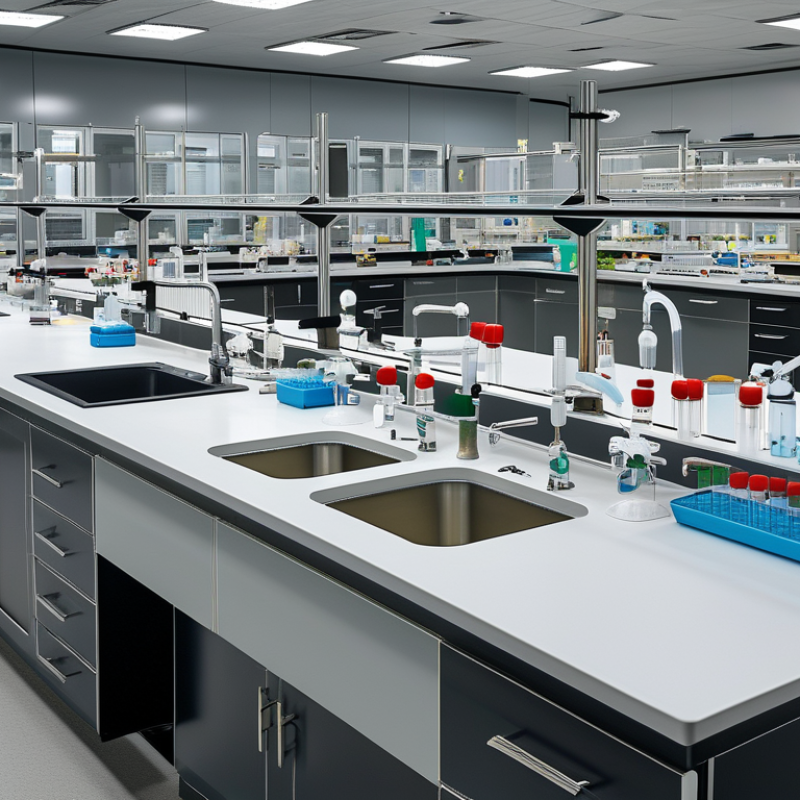
Top Laboratory Sink Options for Global Buyers in China
Laboratory sinks play a critical role in ensuring safety and efficiency in scientific environments. According to a recent market analysis, the global laboratory sink market is projected to reach $1.5 billion by 2025, with a compound annual growth rate of 5.2%. This trend reflects a growing demand for durable and chemical-resistant materials, essential for handling various substances.
In China, buyers are faced with numerous options designed to meet different laboratory needs. Stainless steel sinks are among the most popular due to their robustness and easy maintenance. However, some buyers struggle with sourcing sinks that offer high resistance to corrosion, which is vital in a laboratory setting. Many facilities also overlook the importance of sink size; a sink that is too small can hinder workflow and safety, leading to accidental spillage.
The trend towards integrated sink systems is also emerging. These systems combine sinks with storage and work surfaces, enhancing functionality. Despite their advantages, these integrated options can be cost-prohibitive, presenting a challenge for smaller laboratories. Global buyers must weigh these factors carefully to ensure that their investments align with long-term operational needs.
Overview of Laboratory Sink Types Available in China
Laboratory sinks come in various types, each serving distinct functions. Their design caters to specific tasks, ensuring efficiency and safety in research settings. Stainless steel sinks dominate the market for their durability. These sinks resist corrosion and withstand heavy usage in laboratories.
Ceramic sinks are another popular choice. They offer a smooth, non-porous surface ideal for easy cleaning. However, they may not be as durable under heavy use. Epoxy resin sinks combine chemical resistance with durability. Their ability to withstand harsh substances makes them suitable for chemistry labs.
Choosing the right sink involves considering several factors. Sizing is crucial for space efficiency. Furthermore, the installation process can be complex. Some sinks may need additional plumbing or drainage upgrades. Buyers should reflect on their lab's specific requirements. This reflection ensures a functional and reliable setup tailored to actual needs.
Key Features to Consider When Selecting a Laboratory Sink
When selecting a laboratory sink, consider various key features that affect functionality. Material is critical; stainless steel and epoxy resin are popular due to their durability and resistance to chemicals. It's vital to ensure the sink can withstand frequent use without damage. Sinks should also have smooth surfaces for easy cleaning. This can save time and improve hygiene in the lab.
Size and configuration should meet specific needs. A deeper sink can accommodate larger equipment, while a double basin may offer extra convenience. Ergonomics play a role too; the height and depth should be comfortable for users to minimize strain. Unfortunately, not all sinks are designed with user comfort in mind, leading to physical discomfort during long-term use.
Drainage capability is essential to prevent clogs and ensure efficient waste disposal. Choosing sinks with built-in strainers can mitigate this issue. Additionally, consider the installation process. Complicated setups may require special tools or skills. This can delay projects and create unnecessary hassle. Reflecting on these aspects can lead to more informed choices for laboratory setups.
Top Laboratory Sink Options for Global Buyers in China - Key Features to Consider When Selecting a Laboratory Sink
| Sink Material |
Size (L x W x D) |
Drainage Type |
Chemical Resistance |
Installation Type |
Price Range (USD) |
| Stainless Steel |
60 x 50 x 30 cm |
Standard Drain |
Good |
Drop-in |
200 - 400 |
| Polypropylene |
70 x 60 x 35 cm |
Chemical Drain |
Excellent |
Undermount |
150 - 300 |
| Ceramic |
80 x 50 x 30 cm |
Standard Drain |
Fair |
Top mount |
300 - 600 |
| Glass Reinforced Plastic |
65 x 55 x 30 cm |
Chemical Drain |
Very Good |
Custom |
250 - 450 |
| Enamel Coated Steel |
75 x 45 x 30 cm |
Standard Drain |
Good |
Drop-in |
180 - 350 |
Popular Materials Used in Laboratory Sinks
Laboratory sinks are crucial for any research facility. The materials used in their construction play a significant role in their durability and functionality. Common options include stainless steel, polypropylene, and ceramic. Each of these materials has its pros and cons, making it essential for buyers to consider their specific needs.
Stainless steel sinks offer excellent resistance to corrosion and stains. They are durable but can be prone to scratching. Polypropylene is lighter and resistant to many chemicals, making it a great choice for labs handling corrosive substances. However, it may not be as durable as stainless steel. Ceramic sinks provide a smooth, non-porous surface that’s easy to clean but can be prone to chipping. These options show the diversity in laboratory sink materials.
Tip: Assess the chemicals used in your lab. This will help you choose the right material for your sinks.
It’s important to consider the layout of your lab too. Space constraints might limit the size of the sinks you can install. Some facilities might find that a simple, compact design meets their needs just as well as a larger, more expensive option. Reflect on your lab's workflow—this can significantly influence your choice and ensure maximum efficiency.
Tip: Always prioritize ease of maintenance when selecting a laboratory sink. A sink that’s easy to clean can save time and resources in the long run.
Top Laboratory Sink Options for Global Buyers in China
The graph below illustrates the popularity of different materials used in laboratory sinks among global buyers in China. The data represents the percentage of buyers preferring each material type.
Supplier Profiles: Leading Manufacturers in China
When selecting laboratory sinks, it is crucial to consider the manufacturers' expertise. Several leading manufacturers in China have established themselves as reliable suppliers. Their production processes often adhere to strict quality standards. This makes them well-equipped to meet diverse global needs.
One noteworthy aspect is the variety of materials used in sink production. Stainless steel is popular for its durability and resistance to corrosion. Some manufacturers, however, offer composite sinks. These provide excellent chemical resistance but may require more maintenance. Buyers should evaluate their specific requirements carefully.
Furthermore, suppliers often showcase their commitment to innovation. Some engage in research to develop new sink designs, while others focus on sustainability. Yet, not every product may meet all global standards perfectly. It is essential for buyers to ask questions and remain informed. This ensures choices align with laboratory needs and regulations.
Conclusion
The article "Top Laboratory Sink Options for Global Buyers in China" provides a comprehensive overview of the various types of laboratory sinks available in the Chinese market, catering specifically to international buyers. It details key features to consider during the selection process, such as durability, ease of cleaning, and compatibility with existing laboratory setups.
Additionally, the article highlights popular materials used in the construction of laboratory sinks, emphasizing their importance in ensuring safety and longevity. Supplier profiles present leading manufacturers in China, which can assist buyers in identifying reliable sources. Finally, the article addresses essential export and shipping considerations, guiding global buyers in navigating the logistics of acquiring laboratory sinks from China efficiently.