Top 10 Lab Benches for Efficient Workflow in Your Lab?
In today's fast-paced laboratory environment, having the right lab bench can significantly impact workflow efficiency. Dr. Emily Carter, a leading expert in lab design, emphasizes, "A well-designed lab bench can streamline processes and enhance productivity." This insight underlines the importance of selecting a suitable lab bench tailored to specific lab needs.
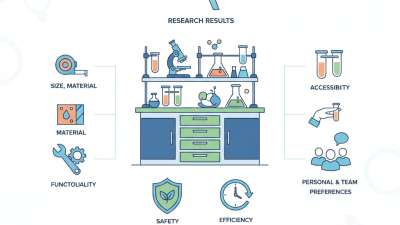
Choosing a lab bench involves more than just aesthetics. Factors such as materials, layout, and customization options are crucial. A functional lab bench should accommodate various tasks, from experiments to data analysis. However, many labs overlook these essential characteristics, leading to frustration and inefficiencies.
Investing in a high-quality lab bench may seem daunting due to costs. However, understanding long-term benefits outweighs initial expenses. Reflect on your current setup. Is it facilitating your work? Identifying shortcomings in workflow can guide better choices. Selecting the right lab bench not only enhances efficiency but also contributes to a more organized workspace.

Essential Features of Lab Benches for Optimal Performance
When considering lab benches, the design matters greatly. Effective use of space can enhance productivity. A workbench should offer ample surface area for experiments. Height-adjustable features can accommodate various tasks and user preferences. This allows for comfort and reduces strain during long hours.
Storage options are another essential feature. Drawers and shelves should be easily accessible. Proper organization minimizes time spent searching for tools or samples. A clutter-free environment boosts focus and efficiency. Materials used for the bench should be durable and easy to clean. Chemical resistance is crucial in a lab setting.
Collaboration can be improved with bench designs that encourage teamwork. An open layout can foster communication among researchers. However, it can also lead to distractions. Finding a balance is key. Investing in custom solutions may sometimes be necessary. Reflecting on the lab's workflow can help identify unique needs and challenges.
Top 10 Lab Benches for Efficient Workflow in Your Lab
| Bench Model |
Material |
Dimensions (L x W x H) |
Weight Capacity |
Features |
| Model A |
Stainless Steel |
60 x 30 x 36 in |
500 lbs |
Height Adjustable, Anti-Corrosive |
| Model B |
Laminate |
72 x 30 x 36 in |
300 lbs |
Integrated Storage, Easy Clean |
| Model C |
Epoxy Resin |
48 x 24 x 30 in |
400 lbs |
Chemical Resistant, Heavy Duty |
| Model D |
Bamboo |
60 x 30 x 36 in |
350 lbs |
Eco-Friendly, Ergonomic Design |
| Model E |
Plastic Laminate |
72 x 36 x 36 in |
450 lbs |
Moisture Resistant, Scratch Proof |
| Model F |
Metal |
60 x 30 x 30 in |
600 lbs |
Heavy Duty Frame, Multiple Color Options |
| Model G |
Wood |
48 x 24 x 36 in |
250 lbs |
Stylish Finish, Durable |
| Model H |
Aluminum |
60 x 30 x 36 in |
500 lbs |
Lightweight, Weather Resistant |
| Model I |
PVC |
72 x 30 x 36 in |
400 lbs |
Corrosion Resistant, Easy Installation |
| Model J |
Composite |
60 x 30 x 36 in |
500 lbs |
Shock Resistant, Customized Options |
Types of Lab Benches Suited for Different Scientific Applications
Laboratories require specialized workstations to foster efficiency. Different types of lab benches cater to unique scientific applications. For example, chemical labs often benefit from acid-resistant surfaces. This adds an essential layer of protection against spills. Such benches are typically constructed with materials like epoxy resin. These resources enable scientists to work confidently with hazardous substances.
In biological labs, adjustable height benches are essential. Scientists often switch between tasks that require different working positions. These benches accommodate both standing and seated work. Furthermore, some designs integrate storage solutions to optimize space. Having quick access to tools can streamline experiments significantly.
Then, in physics labs, sturdy benches with vibration dampening features are preferred. Precision is critical in this field. A slight vibration can alter measurements. Thus, benches designed to absorb shock can make a difference. However, investing in the right lab bench involves more than just choosing materials. It requires understanding the specific needs of each scientific discipline. This often necessitates consultation with experts in laboratory design. For many, involving professionals can yield benefit, but it may also complicate the decision-making process.
Material Considerations for Durable and Cost-Effective Lab Benches
When choosing lab benches, material selection is crucial. Wood, metal, and laminate each have their pros and cons. For instance, wood offers warmth but can warp over time. Metal surfaces are resilient and easy to clean, yet may not suit every environment. Laminate is affordable and comes in various colors, but it may chip under heavy use.
**Tips:** Think about your lab's specific needs. Consider chemical resistance, scratch resistance, and durability. Not all materials withstand harsh conditions. For an active lab, a stainless steel bench may be more appropriate.
Keep maintenance in mind. Some surfaces require more care than others. Regular cleaning can prolong a bench’s life. A neglected surface might harbor contaminants. Always assess the risks associated with material choice. Look for better alternatives as your needs evolve.
**Tips:** Test the surface with common lab materials. See how it holds up. This can help identify potential weaknesses. Engaging with experienced peers can provide insights into the best material for your particular tasks. Trust practical experience over theoretical recommendations.
Top 10 Lab Benches for Efficient Workflow
Design and Ergonomics in Lab Benches to Enhance Workflow Efficiency
When it comes to laboratory efficiency, the design and ergonomics of lab benches play a crucial role. A well-designed lab bench allows for more organized workflows. Adjustable heights cater to different heights and tasks. This can help reduce strain during long working hours. Smooth surfaces and organized storage options facilitate easy access to tools. Well-placed power sources enhance convenience.
The material of the bench also matters. Durable surfaces resist wear and tear, but should be easy to clean. Consider benches with rounded edges. They are safer and reduce the risk of injury. A clutter-free workspace improves focus. However, not every lab bench achieves the right balance between style and function. It's important to assess usability regularly. Engaging with lab users can provide insights into what design elements truly enhance productivity.
Moreover, lighting is often overlooked. Proper lighting at workstations can reduce eye strain. A bright, well-lit area can dramatically improve precision in experiments. There may be benches that look appealing but fail in practical use. Continuous evaluation and feedback can lead to better adaptations over time. Lab productivity isn't just about equipment; it's about creating an environment that fosters efficient work processes.
Maintenance Tips to Extend the Life of Your Lab Bench Setup
Maintaining a lab bench is crucial for efficiency and durability. Regular cleaning is a must. Spills can cause damage over time. Use appropriate cleaning agents to avoid damage. Wipe surfaces daily, especially after experiments. A clean workspace promotes productivity.
Inspect for wear and tear regularly. Check for scratches, dents, or loose components. Address these issues promptly. Small damages can escalate if ignored. Replace worn parts as necessary to maintain stability.
Consider the layout of your workspace. Is everything within reach? Poor organization can lead to frustration. Install storage solutions that suit your workflow. Create a system for tools and materials. This thoughtfulness can prolong the life of your lab bench. It's essential to continually adapt your setup as your needs change. Reflect on what works and what doesn’t.