2026 How to Choose the Right Metal Laboratory Bench for Your Needs?
Choosing the right Metal Laboratory Bench is crucial for any laboratory's productivity and safety. According to the Global Laboratory Furniture Market Report, the demand for specialized lab furniture is expected to grow by 5.2% annually through 2026. Laboratories must consider their specific needs when selecting furniture.
Metal Laboratory Benches offer durability and resistance to chemicals, making them ideal for many applications. However, not all benches are created equal. Some may lack adequate weight capacity, causing potential safety hazards. It's essential to evaluate factors such as size, surface finish, and accessibility.
Budget constraints also play a vital role in decision-making. A comparison of different products reveals that investing in a high-quality Metal Laboratory Bench can significantly reduce maintenance costs in the long run. Many choices are available, which can lead to decision fatigue. Ultimately, the right bench balances quality and cost-effectiveness while addressing unique laboratory requirements.
Understanding the Purpose of Metal Laboratory Benches
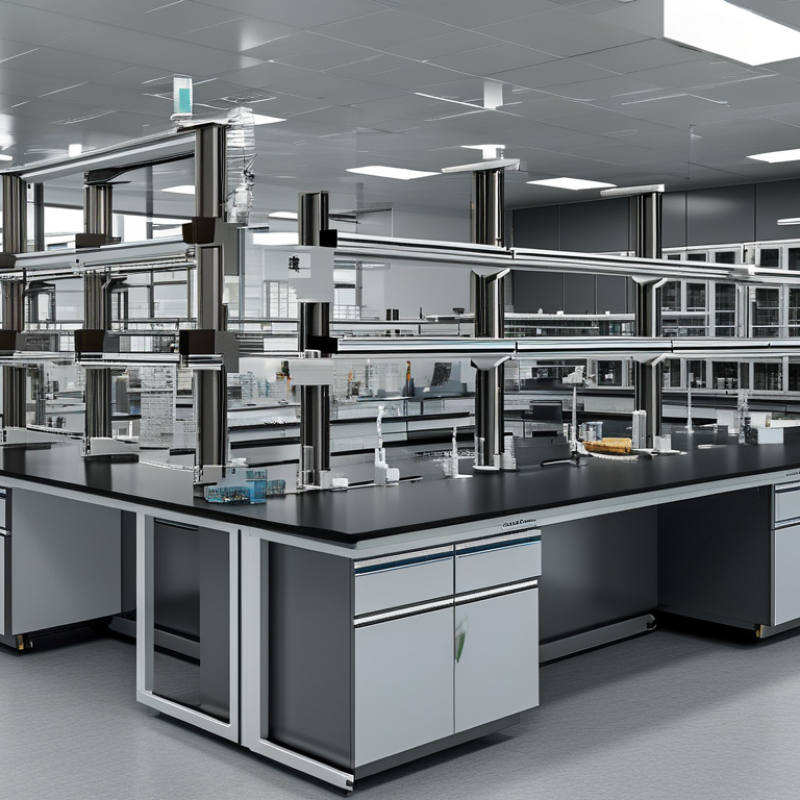
Metal laboratory benches are essential in various scientific and industrial settings. Understanding their purpose helps in making informed decisions. These benches provide a durable and sturdy surface for various experiments and tasks. They must withstand chemicals, heat, and wear from constant use.
When choosing a bench, consider your lab's specific needs. Will it be used for rigorous experiments or more delicate tasks? The design and materials can greatly affect functionality. A well-designed bench can improve efficiency, while a poorly chosen one may hinder progress.
It’s crucial to evaluate the space available in your lab. A bench too large can make the area feel cramped, while one too small may not support your activities effectively. Reflecting on these aspects ensures you invest in a bench that truly meets your requirements. An ideal choice balances practicality and available space.
2026 How to Choose the Right Metal Laboratory Bench for Your Needs? - Understanding the Purpose of Metal Laboratory Benches
| Feature |
Description |
Importance |
| Material Quality |
High-quality metal that resists corrosion and wear. |
Ensures durability and longevity of the bench. |
| Dimensions |
Bench size that fits your workspace and equipment needs. |
Maximizes efficiency and usability in the lab. |
| Weight Capacity |
Able to support the equipment and materials used in the lab. |
Prevents accidents and damages due to overload. |
| Adjustability |
Ability to modify height and layout. |
Enhances comfort and flexibility during various tasks. |
| Chemical Resistance |
Resistance to spills and exposure to chemicals. |
Protects the bench surface and maintains cleanliness. |
| Mobility |
Easy to move or adjust location within the lab. |
Facilitates space optimization and rearrangement. |
| Customization Options |
Ability to add components like shelves and cabinets. |
Enhances functionality and personalizes work areas. |
Key Features to Consider When Selecting a Metal Bench
Choosing the right metal laboratory bench involves careful consideration of key features that influence functionality and durability. First, assess the material composition. Stainless steel is favored for its resistance to corrosion and easy maintenance. A report from the American Society for Testing and Materials (ASTM) states that benches made with high-grade stainless steel can last up to 20 years under regular use.
Next, consider weight capacity. Not all labs require the same strength. Some benches support over 1,500 lbs, while others may only handle 300 lbs. A survey by the Laboratory Equipment Manufacturers Association (LEMA) revealed that 40% of laboratories reported equipment failures due to inadequate bench strength. This underscores the importance of matching bench specifications to your laboratory’s specific workload.
Additionally, evaluate the design. Bench height, surface area, and configuration are critical. Ergonomics play a role in user comfort during long experiments. Many labs overlook these details, leading to discomfort and decreased productivity. Research indicates that correcting ergonomic issues can improve efficiency by as much as 30%. Thus, investing time to choose a metal bench isn’t just practical; it's essential for optimizing lab operations.
Assessing Size and Space Requirements in Your Lab
When selecting a metal laboratory bench, assessing your space requirements is crucial. A recent report by the Research Institute of Laboratory Furniture highlights that nearly 70% of labs struggle with optimizing space. Proper measurements can prevent costly mistakes and reduce inefficiencies. Each lab has unique demands, whether it be creating a compact workspace in a small area or ensuring ample space for equipment and movement in a larger lab.
Consider vertical space as well. Utilizing wall-mounted shelves or overhead storage can optimize limited floor space. According to the Laboratory Equipment Manufacturers Association, an average laboratory has a 20% space utilization rate. Improving this can lead to more efficient workflows. However, be wary of overcrowding the space. Overloading a workbench can lead to accidents or hinder productivity. It’s important to find a balance between maximizing utility and maintaining a safe environment.
Additionally, flexibility in your workspace should be prioritized. Metal benches can often withstand heavy loads and resist chemicals. However, they are not one-size-fits-all. The layout should facilitate ease of access to tools and materials. Reflecting on past configurations can provide insights into what works and what requires adjustment. Remember, thoughtful planning today leads to a functional workspace tomorrow.
2026 Metal Laboratory Bench Size Requirements
Material Durability and Maintenance for Laboratory Environments
When selecting a metal laboratory bench, durability is crucial. The material's resistance to corrosion and scratches can greatly influence its lifespan. Stainless steel is often a popular choice for its ability to resist chemical spills and rust. However, it can be prone to surface scratches, which might worsen over time. Aluminum benches are lighter but may not withstand heavy impacts as well.
Maintenance should also be considered seriously. Regular cleaning helps prevent contaminant buildup. Some metals can rust if not properly maintained. A bench should have an easy-clean surface to allow for efficient cleaning. Choosing a material with the right finish can minimize these maintenance challenges.
Reflect on your specific needs. Consider the weight of equipment you will place on the bench and whether the bench can sustain this without warping. Regular inspections can prevent unexpected damage. Balancing durability with maintenance needs can create a more efficient laboratory environment. Ensure you weigh your options carefully.
Budgeting and Cost Considerations for Metal Benches
When selecting a metal laboratory bench, budgeting is a crucial factor. Costs can vary significantly depending on the materials and features. A basic metal bench may cost less, while specialized designs with added functionalities can reach higher price points. Assessing your laboratory's specific needs helps in setting a realistic budget.
Consider the long-term value of the bench. Cheaper options may save money initially but could lead to more expenses due to repairs or replacements. Think about durability and maintenance costs. Investing in a reliable, high-quality bench may be pricier upfront, yet it pays off in the long run. Seek out options that provide the best balance of cost and utility.
Evaluate your space and intended use. A larger bench may accommodate more equipment but might stretch your budget. Do not overlook shipping and installation costs, which often add to the total. Setting a limit is wise, yet remain flexible as unexpected needs can arise. In the end, the right investment aids productivity and safety in your lab.