What is a Laboratory Hood and How Does It Work?
In the world of scientific research, the importance of a Laboratory Hood cannot be overstated. Dr. Emily Carter, a leading expert in laboratory safety, emphasizes, "The laboratory hood is our first line of defense against hazardous materials." This essential equipment plays a critical role in protecting researchers from fumes, vapors, and airborne particles.
A Laboratory Hood works by drawing air away from the user and into a filtration system. This process not only ensures a safe working environment, but it also minimizes the risk of contamination. Despite its effectiveness, many facilities overlook maintenance and proper usage training, which can lead to inefficiencies and risks.
Further complicating matters, some users feel a false sense of security. They may assume that a hood alone can shield them from all dangers. Realistically, without proper understanding and adherence to safety protocols, the very equipment designed to protect could become a source of danger. Awareness and education around the Laboratory Hood are imperative for a safe laboratory experience.

What is a Laboratory Hood?
A laboratory hood, often referred to as a fume hood, is a vital safety equipment in labs. It serves to protect users from harmful vapors, dust, and fumes generated during experiments. By providing a controlled environment, a lab hood helps to limit exposure to hazardous substances. The design includes a sash that can be raised and lowered, offering flexibility while maintaining safety.
When using a laboratory hood, ensure proper airflow. The airflow pulls contaminants away from the user. It is essential to keep the sash at the recommended height for optimal protection. Always check the airflow indicator to confirm the hood is functioning correctly. Remember, safety first!
**Tips:** Always avoid placing your head inside the hood when working. This simple act can significantly reduce risk. Regular maintenance is crucial. Have qualified personnel check your hood periodically to ensure it operates correctly. Keeping the work area tidy inside the hood can prevent chemical reactions and hazards. Maintaining a clutter-free space fosters a safer working environment.
What is a Laboratory Hood and How Does It Work?
| Dimension |
Description |
| Purpose |
To protect users from hazardous fumes, vapors, and dust. |
| Types |
Ducted, ductless, and filtered hoods. |
| Components |
Sash, work surface, lighting, and ventilation system. |
| Operation |
Air is drawn into the hood, preventing exposure to harmful substances. |
| Safety Standards |
ANSI/AIHA Z9.5, NFPA 45, and other relevant standards. |
| Maintenance |
Regular inspection and testing are necessary for optimal performance. |
Types of Laboratory Hoods and Their Specific Uses
Laboratory hoods are essential for ensuring safety in various scientific environments. These hoods come in different types, each designed for specific applications. One commonly used type is the fume hood. This device primarily protects users from harmful vapors, gases, and dust. The National Fire Protection Association (NFPA) states that over 90% of laboratories utilize fume hoods for this purpose.
Another significant type is the biological safety cabinet (BSC). BSCs are crucial for handling biological agents safely. According to the Centers for Disease Control and Prevention (CDC), BSCs can protect lab personnel from exposure while safeguarding the samples as well. They provide a sterile environment, filtered air, and help maintain containment when dealing with infectious materials.
Although laboratory hoods offer vital protection, they require regular maintenance to function effectively. Poorly maintained hoods can lead to increased exposure risks. The American Industrial Hygiene Association (AIHA) suggests that hoods should be inspected at least annually. Researchers often overlook this aspect, which can lead to dangerous consequences. Continuous education about hood maintenance is necessary to promote laboratory safety and health.
How Laboratory Hoods Function in Protecting Users
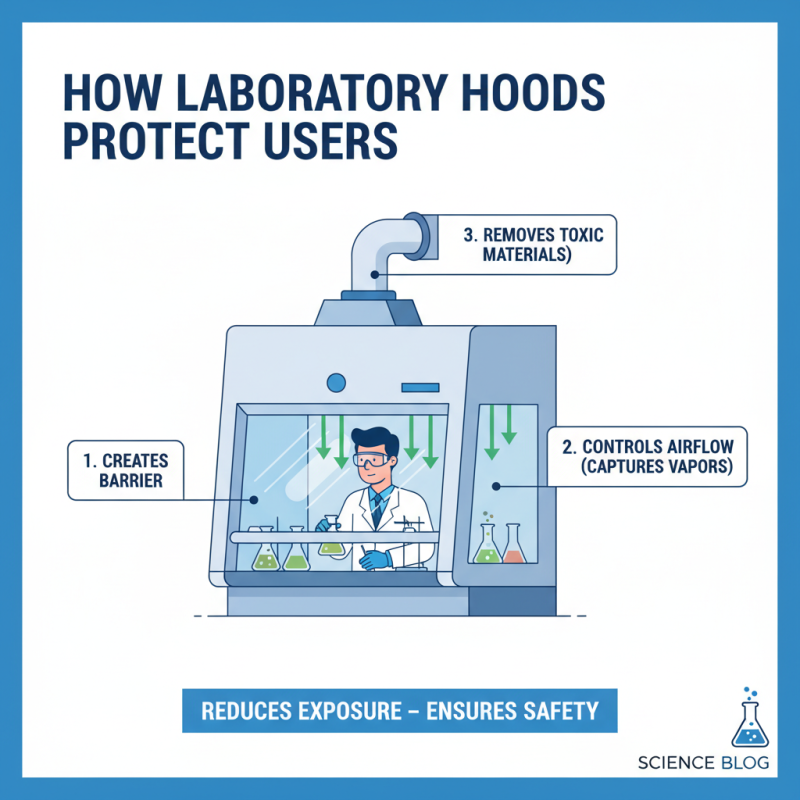
Laboratory hoods are essential tools in any scientific environment. They serve as a barrier between users and harmful substances. By creating a controlled airflow, hoods capture vapors, gases, and dust. This airflow reduces the risk of exposure to toxic materials during experiments. The design typically includes a transparent front sash. Users can adjust the height of the sash for optimal protection.
The effectiveness of laboratory hoods relies on proper usage and maintenance. Users must avoid blocking airflow by cluttering the workspace. Regular inspection ensures that filters and fans are working efficiently. However, even with the best practices, hoods may not provide complete safety if misused. Users must remain vigilant about potential hazards in their environment.
Proper training on using laboratory hoods is vital. Understanding airflow dynamics and safe practices is essential for user protection. While hoods significantly enhance safety, complacency can lead to accidents. Maintaining a culture of safety awareness and continuous learning in laboratories is crucial.
Key Components of a Laboratory Hood
A laboratory hood is an essential safety device. It protects users from harmful fumes and vapors during experiments. Understanding its key components is vital for ensuring effective performance.
One critical component is the sash. It acts as a barrier between the user and hazardous materials. Adjusting the sash to the optimal height minimizes exposure and enhances airflow. Research indicates that a properly positioned sash can reduce air contamination by up to 80%. Another important part is the airflow monitoring system, which ensures that the hood operates at the required exhaust rate. Consistent airflow is crucial for user safety and the integrity of the experiments.
**Tips:** Regular maintenance is necessary. Inspect the sash for any damage and ensure it opens and closes smoothly. Also, check the airflow alarms regularly. They provide an early warning if the hood isn’t functioning correctly. Proper training for all users can make a significant difference. Understanding how to use a lab hood properly reduces risks significantly.
Laboratory Hood Airflow Efficiency
This chart displays the airflow efficiency of different types of laboratory hoods based on their average airflow in cubic feet per minute (CFM). The data points represent the airflow efficiency measured for each type of hood, helping to understand their operational effectiveness.
Best Practices for Using a Laboratory Hood Safely
Using a laboratory hood effectively is crucial for safety. A laboratory hood helps contain hazardous fumes and vapors. This minimizes exposure to harmful substances. Always ensure that the hood is functioning properly before use. A simple check of airflow can make a big difference.
When working inside a hood, keep all materials at least six inches inside. This reduces the risk of exposure during spills or splashes. Avoid working with large equipment that may obstruct the airflow. Properly sealing containers can also prevent vapors from escaping.
Regularly maintain your hood to ensure optimal performance. Check filters and clean surfaces frequently. Even minor dust or debris can affect airflow. Be mindful and don’t rush. Taking your time can prevent accidents. Always remember that a cluttered workspace is a risky one.