Why Choose Lab Desk for Your Research Needs?
In today's rapidly evolving scientific landscape, researchers face increasing challenges in managing their projects efficiently. The demand for innovative workspace solutions has never been higher. According to a recent industry report by Global Market Insights, the laboratory furniture market is expected to reach $7 billion by 2027. This growth highlights the necessity for adaptable and functional lab environments, which Lab Desk aims to provide.
Dr. Sarah Thompson, a leading expert in lab design, states, "An efficient workspace fosters creativity and productivity in research." Lab Desk understands this imperative, offering customizable solutions that cater to specific research needs. Their focus on ergonomics and design ensures researchers can work comfortably without compromising productivity.
However, not all providers achieve the same standards. Researchers must carefully evaluate their options. Some may overlook important aspects such as flexibility and space optimization. Lab Desk stands out by addressing these gaps, ensuring a reliable and effective workspace for any researcher. Investing in quality lab environments is essential for driving scientific advancement. Consider Lab Desk for your laboratory needs.
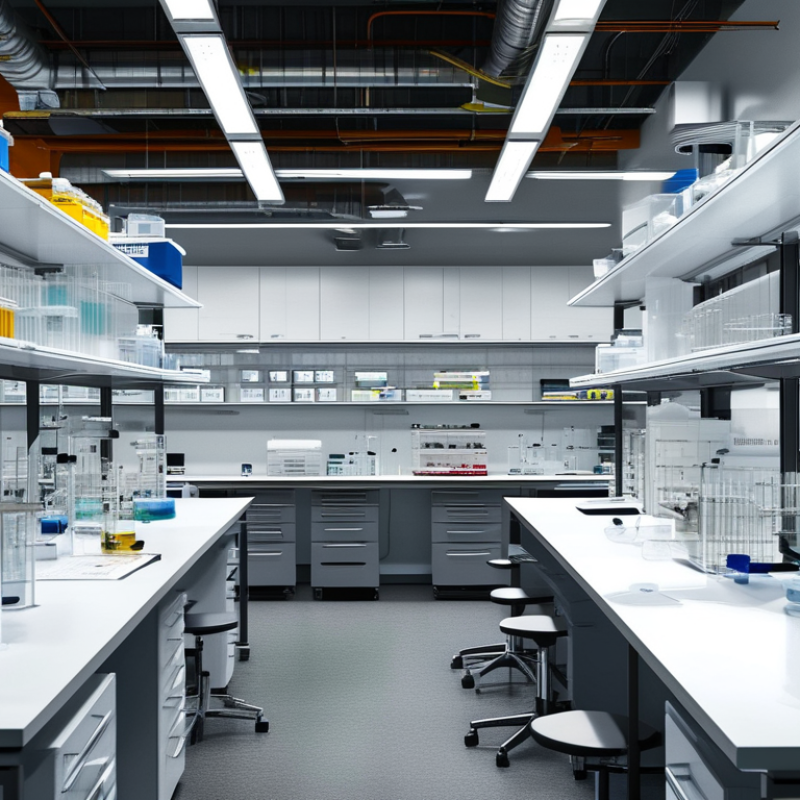
Understanding the Importance of a Reliable Lab Desk in Research
A reliable lab desk is crucial for any research project. It serves as
the foundation for experiments and data collection. When you have a sturdy workspace, it becomes easier to focus on your tasks.
A well-designed lab desk promotes efficiency, allowing researchers to access
tools and materials conveniently.
The importance of a reliable lab desk cannot be overstated. A stable surface minimizes distractions and increases productivity.
Proper organization helps in managing samples and equipment. Yet, not every lab desk meets the required standards. Some might
lack adequate space or storage options. Researchers must think critically about their setups. Reflecting on past experiences
can help identify what works best.
Selecting the right lab desk requires careful consideration. Think about your specific needs and workflow. Are you working with
large instruments or small samples? Do you need extra storage? All these factors shape your research environment.
A suitable desk contributes significantly to successful outcomes and a smoother workflow. Ultimately, investing time in this
choice pays off in the long run.
Key Features to Look for in a Lab Desk for Research Purposes
When selecting a lab desk for research purposes, several key features are essential. Durability is vital; laboratory environments can be harsh. A sturdy desk with resistant surfaces can withstand chemical spills and physical wear. According to industry reports, approximately 35% of lab professionals stress the importance of a reliable workspace to enhance productivity.
Ergonomics is another crucial aspect. A lab desk should accommodate standing and sitting positions to promote comfort during long research hours. A study found that ergonomic workstations can improve productivity by up to 25%. This means researchers can work efficiently, reducing strain and the risk of injury.
**Tips:** Consider adjustable height desks for flexibility. Additionally, benchtop storage solutions are key. Having immediate access to tools reduces the time spent searching for materials. A well-organized workspace can lead to better focus and reduced workflow interruptions. Finding a balance between aesthetics and functionality is vital. An appealing desk boosts motivation but shouldn't compromise practicality.
Comparing Different Types of Lab Desks for Efficiency and Safety
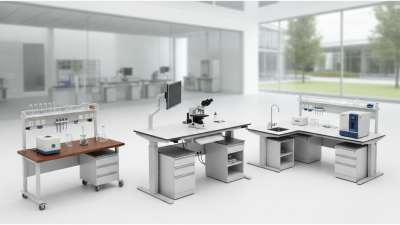
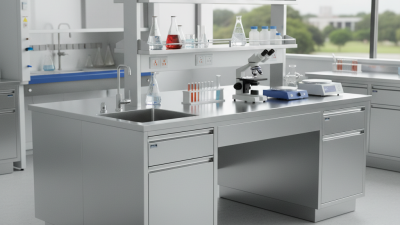
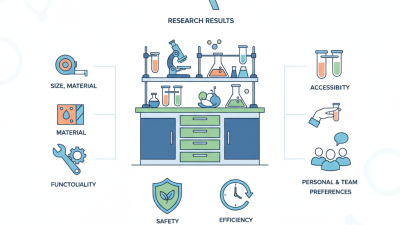
When considering lab desks, it's essential to weigh efficiency and safety. Different types of lab desks suit various needs, from chemical resistance to ergonomic design. A sturdy, chemical-resistant desk is ideal for labs handling volatile substances. However, ensure it's not too high, as improper height can strain your back.
A customizable workstation may cater to specific tasks. For instance, adjustable desks can enhance comfort during prolonged use. Remember to assess the layout of your workplace. An organized setup improves workflow, but clutter can increase hazards.
**Tips:**
Ensure your desk has adequate storage. This will keep essential tools and materials within reach. Choose a desk with rounded edges to prevent injuries. Above all, prioritize your safety and comfort. A supportive environment leads to better productivity and satisfaction in your research endeavors.
Why Choose Lab Desk for Your Research Needs? - Comparing Different Types of Lab Desks for Efficiency and Safety
| Lab Desk Type |
Efficiency Rating |
Safety Features |
Cost Range ($) |
| Standard Lab Desk |
3/5 |
Basic stability |
200 - 400 |
| Ergonomic Lab Desk |
4/5 |
Adjustable height |
400 - 600 |
| Chemical Resistant Lab Desk |
5/5 |
Chemical spill containment |
600 - 800 |
| Bacteriological Safety Lab Desk |
5/5 |
Anti-microbial surfaces |
700 - 1200 |
Customizing Your Lab Desk to Fit Specific Research Needs
When setting up a research lab, the desk is a crucial piece of equipment. Customizing your lab desk can greatly enhance productivity. For instance, think about your specific research tasks. Do you need a lot of surface area for experiments? Or perhaps integrated storage for tools and materials? Personalizing your desk to accommodate these needs can streamline your workflow.
Adjustable features can also be highly beneficial. Consider desks that allow you to switch between standing and sitting. This can be key for long hours of research. Additionally, integrated power sources help keep your workspace organized. However, many overlook the importance of ergonomics. A poorly designed desk can lead to discomfort and hinder focus. Reflection on past desk setups can aid in identifying what works best for you.
Your research environment reflects your work style. Incorporating personal touches like visual aids can inspire creativity. Yet, it's crucial to keep the workspace uncluttered. Too many distractions can impede progress. Finding the right balance is essential. By customizing your lab desk, you create a tailored environment that supports your research goals.
Cost-Effectiveness of Investing in a Quality Lab Desk for Researchers
In the realm of research, choosing the right lab desk can significantly impact productivity. A quality lab desk serves as a foundational element for any research setting. It’s important to consider that not all lab desks provide the same value or functionality. Investing in a robust lab desk might initially seem costly, but it can prove to be a wise long-term choice.
A quality lab desk enhances organization. It allows researchers to arrange their materials efficiently. This can save time and reduce frustration. Consider how often disorganization can stall progress. A sturdy surface can withstand rigorous tasks and ensure your equipment is secure. That durability is a crucial factor when you are working with various instruments.
Tip: Analyze your workflow before purchasing. Understand the specific needs of your research. Also, consider the available space. Not every desk fits seamlessly into every lab environment. You may need to rethink your layout to maximize the desk's effectiveness.
Quality doesn’t stop at the surface. A good lab desk can support ergonomic practices, promoting researcher well-being. Correct posture is essential during long hours of work. This, in turn, can enhance focus and minimize fatigue. When considering your investment, think about the potential for improved output. It's essential to assess both the desk's build and its functionality when making your decision.