Top Laboratory Desk Options for Efficient Workspace Design?
In today's fast-paced scientific environment, an efficient workspace is crucial. Laboratory desks are the heart of any lab, dictating workflow and organization. Dr. Samuel Lin, a recognized expert in laboratory design, emphasizes, "The right laboratory desk can elevate productivity and innovation."
Choosing the best laboratory desk is not a straightforward task. It involves understanding specific needs and space constraints. Desks must be ergonomic, inspiring creativity, and meeting safety standards. Each workstation should facilitate easy access to essential tools and instruments.
It's important to consider adaptability. As research projects evolve, so do the requirements for different lab setups. A flexible laboratory desk can accommodate these changes, making it a worthwhile investment. However, the overwhelming range of options can lead to confusion. Reflecting on individual needs and future goals is essential for making the right choice. Balancing design with functionality might seem daunting, but it is vital for cultivating an effective workspace.
Overview of Laboratory Desk Functions and Importance in Workspace Design
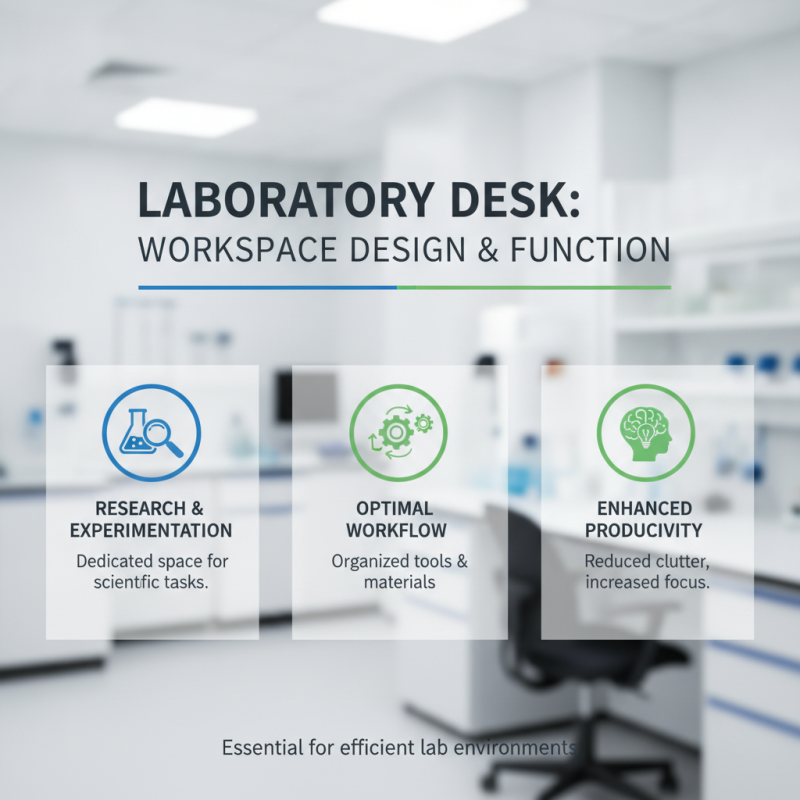
Laboratory desks serve essential functions in research and experimentation. They provide a dedicated workspace for scientists and researchers to conduct their tasks efficiently. The design of a lab desk can facilitate workflow, allowing for organized storage of tools and materials. An optimal layout helps minimize clutter and enhances focus, increasing productivity in the laboratory environment.
In an effective workspace, the desk's height and surface area matter significantly. Desks that accommodate a variety of tasks should be adjustable. Various storage solutions can be integrated, such as cabinets, shelves, and drawers. This thoughtful organization can create a more functional environment. However, not all designs meet the unique needs of every lab. It is crucial to assess specific requirements and adapt accordingly.
A truly efficient laboratory desk should also allow for easy cleaning and maintenance. Surfaces resistant to chemicals can prevent damage and ensure longevity. Additionally, incorporating power outlets can support necessary equipment. As labs evolve, reflecting on how current layouts can be improved is vital. It’s essential to continually seek feedback on workspace functionality. This iterative process leads to a more effective laboratory setup, enhancing both comfort and efficiency for users.
Key Features to Consider When Choosing a Laboratory Desk
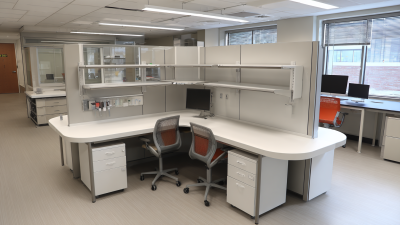
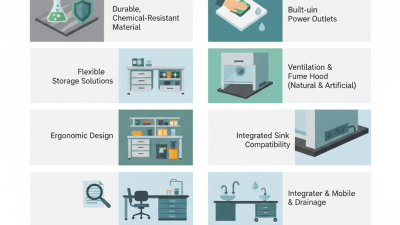
Choosing the right laboratory desk is crucial for an efficient workspace. Key features to consider include the material, design, and functionality. A sturdy, chemical-resistant surface is essential. This ensures durability and prevents damage from spills. Desks made from laminate or stainless steel are often ideal. They provide both strength and ease of cleaning.
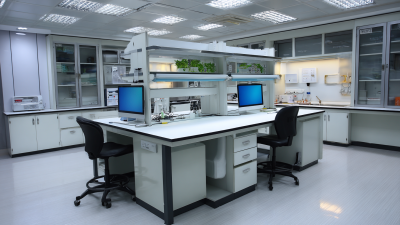
Another important aspect is the desk height. Adjustable desks allow users to work comfortably, reducing the risk of strain. Ergonomic designs promote better posture. Storage options are also vital. Integrated cabinets and drawers can help keep the workspace organized. This reduces clutter, making it easier to focus on tasks.
Consideration for the layout is important too. The desk should fit well within the laboratory space. It should also allow for easy movement. A well-thought-out workspace can lead to higher productivity. Reflect on what features are truly needed. Overspending on unnecessary elements can hinder the overall budget. Balancing function with cost is a challenge worth addressing.
Top Laboratory Desk Options for Efficient Workspace Design
Types of Laboratory Desks: Pros and Cons of Each Style
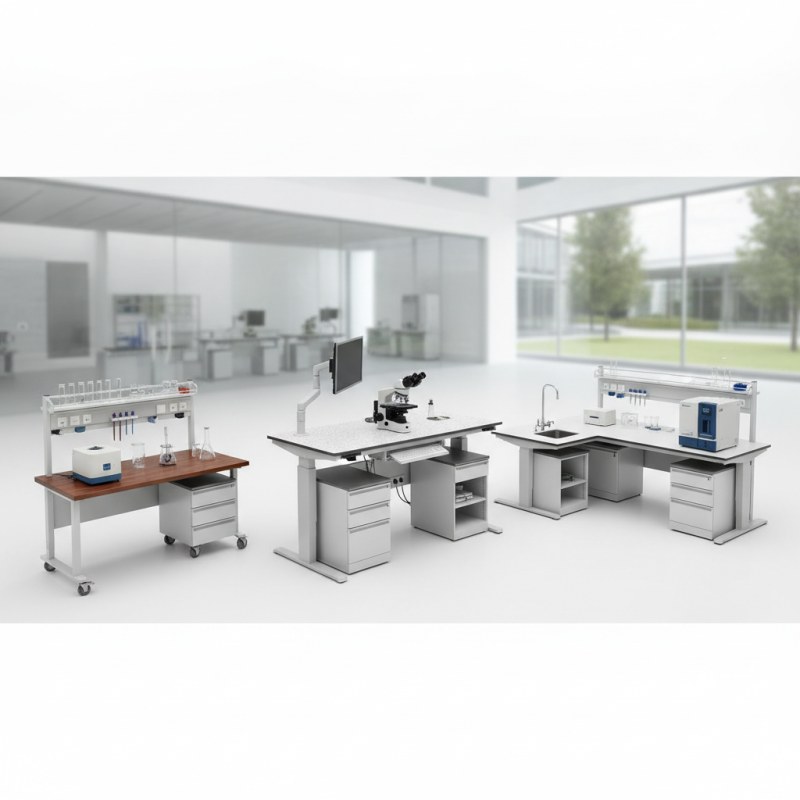
When designing an efficient laboratory workspace, choosing the right type of desk is essential. One popular option is the fixed laboratory desk. These desks provide stability and are suitable for tasks requiring precision. However, they can limit flexibility. According to a 2021 report from a leading workspace design institute, fixed desks found in laboratories can enhance productivity by up to 30%. Yet, users often express concerns about their adaptability to changing needs.
Mobile laboratory desks offer a different perspective. They can be easily moved to accommodate various tasks or team sizes. This versatility allows for a dynamic workspace, fostering collaboration. A survey indicates that 65% of lab workers prefer mobile options due to their adaptability. However, frequent relocation can lead to instability in workflows. Additionally, these desks may not provide the same durability as fixed options, raising questions about long-term reliability.
Adjustable laboratory desks present another layer of options. They allow users to switch between sitting and standing positions. This adaptability can enhance user comfort and potentially reduce fatigue. A study published in a renowned ergonomics journal found that adjustable desks could improve focus by 15%. Yet, they may come with a higher initial investment, and some users report mechanical failures after prolonged use. Thus, while adjustable desks can enhance the workspace, their maintenance concerns require consideration.
Materials Used for Laboratory Desks and Their Impact on Efficiency
When designing an efficient laboratory workspace, the materials chosen for desks significantly impact productivity. A report by the American Society for Testing and Materials indicates that high-density laminate surfaces resist chemicals and scratches better than traditional wood. This durability can lead to fewer replacements and less downtime in busy labs. Researchers have also found that ergonomic designs made of lightweight, sturdy materials reduce fatigue during long hours of work.
Moreover, metal desks with powder-coated finishes emerge as a practical choice. They are resistant to rust and easy to clean, which is vital for maintaining sterile environments. A study from the International Journal of Lab Design notes that an organized workspace reduces errors by up to 30%. Thus, the choice of materials does not just affect aesthetics; it directly influences the efficiency and accuracy of lab work.
Laboratories often require adaptability, and modular workstation designs are increasingly popular. However, they can be less stable compared to traditional desks. When evaluating options, consider the trade-offs between flexibility and robustness. Finding the right balance is key to a truly efficient laboratory setup.
Top Laboratory Desk Options for Efficient Workspace Design
| Material |
Durability |
Cost |
Ease of Maintenance |
Impact on Efficiency |
| High-Density Laminate |
High |
$$ |
Easy |
Promotes efficient workflow |
| Stainless Steel |
Very High |
$$$ |
Very Easy |
Minimizes contamination risk |
| Wood |
Medium |
$ |
Moderate |
Aesthetically pleasing but prone to damage |
| Epoxy Resin |
High |
$$$ |
Easy |
Highly resistant to chemicals |
| Phenolic Resin |
High |
$$$ |
Very Easy |
Excellent chemical resistance |
Tips for Organizing a Functional Laboratory Desk Workspace
Creating a functional laboratory desk workspace requires thoughtful organization. Research indicates that an efficiently arranged workspace can boost productivity by up to 30%. Start by prioritizing essential tools. Whether measuring equipment, notebooks, or computer systems, keep these within reach. Use drawer organizers to sort small items. This reduces time spent searching for supplies.
Consider the layout of your desk. A clutter-free surface promotes focus. Use vertical storage solutions, like shelves, to maximize space. This prevents overcrowding on the desk itself. Ensure lighting is optimal; bright, natural light improves mood and decreases eye strain.
Furthermore, regular assessments of your workspace can reveal areas needing improvement. Are you frequently misplacing items? If so, reevaluate your organization system. Incorporating flexibility, like adjustable shelves, can adapt to changing needs. A cluttered desk can hinder progress, so it’s important to keep evaluating your setup. A well-organized workplace not only enhances efficiency but also creates a calmer, more enjoyable work environment.