Best Stainless Steel Lab Bench for Efficient Workspaces?
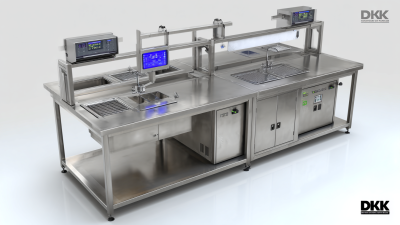
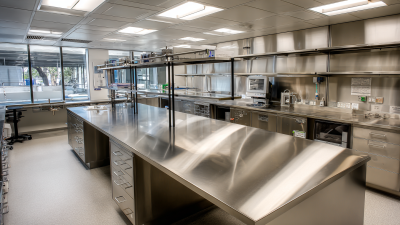
In the world of scientific research, the choice of workspace can significantly impact productivity. Dr. Emily Carter, a leading expert in laboratory design, emphasizes, "A well-organized lab bench enhances efficiency and safety." This perspective is particularly relevant when considering the benefits of a Stainless Steel Lab Bench. Known for its durability and ease of maintenance, this type of bench is becoming a staple in modern laboratories.
Stainless Steel Lab Benches offer a pristine and sterile work surface. They resist stains, chemicals, and corrosion, making them ideal for various tasks. However, not all lab benches are created equal. While purchasing, one may overlook minor design flaws or insufficient storage options. Such factors can hinder efficient workflow, emphasizing the importance of thoughtful selection.
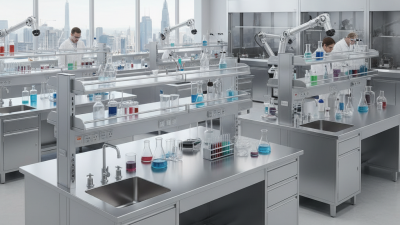
Furthermore, the aesthetic appeal of a Stainless Steel Lab Bench can inspire creativity. But, a busy or cluttered surface may distract researchers. It’s essential to balance functionality with organization. Ultimately, investing in the right Stainless Steel Lab Bench fosters both efficiency and innovation in any lab setting.

Factors to Consider When Choosing a Stainless Steel Lab Bench
Choosing the right stainless steel lab bench can greatly impact efficiency in any workspace. Factors such as durability, size, and cleanability are crucial. Research indicates that stainless steel's resistance to corrosion makes it ideal for labs, with a lifespan often exceeding 20 years under proper maintenance. This longevity can offset initial costs, making it a practical investment.
Additionally, consider the bench's dimensions. A study from the National Institute of Standards and Technology reveals that workspaces under 80 square feet can benefit from multi-functional furniture. Such designs maximize space and enhance workflow. Cleanability is another vital factor. Ensuring a smooth surface allows for easy disinfecting, reducing the risk of contamination in sensitive research environments.
While stainless steel offers many advantages, it is not entirely without flaws. Surface scratches may occur over time, potentially harboring bacteria. Therefore, regular inspections and maintenance routines are necessary to uphold hygiene standards. Adopting a proactive approach can mitigate these risks, ensuring that lab benches support an efficient and safe working environment.
Benefits of Stainless Steel Lab Benches in Scientific Workspaces
Stainless steel lab benches have numerous benefits, making them ideal for scientific workspaces. Their smooth surface is easy to clean. This reduces contamination risks in labs. Regular cleaning can keep your workspace safe and efficient. Many labs prioritize hygiene, and stainless steel meets these needs effectively.
Durability is another key advantage. Stainless steel withstands harsh chemicals and heavy usage. It resists rust and corrosion, ensuring a long lifespan. However, some users might find that steel can feel cold and uninviting. This may impact morale in a shared space. Balancing functionality with comfort is important for team dynamics.
Another aspect is the ability to customize. While stainless steel is versatile, it may not suit every aesthetic preference. Some teams prefer wood for warmth. Others might want mixed materials for a unique look. It's crucial to evaluate your workspace needs carefully, blending efficiency with the right environment.
Different Styles and Configurations of Stainless Steel Lab Benches
When selecting a stainless steel lab bench, consider the variety of styles and configurations available. Many laboratories prefer modular designs for flexibility. Modular benches allow users to reconfigure the workspace as needs change. A report from the Laboratory Equipment Manufacturers Association (LEMA) indicates that 70% of labs favor adjustable configurations for efficiency. This adaptability can enhance collaboration among scientists.
Another popular option is fixed benches with integrated storage. These benches provide both durability and organization. A study by the International Laboratory Standards Institute (ILSI) noted that 65% of users reported improved productivity when using benches with built-in storage solutions. Such setups minimize clutter and keep essential tools within reach. However, a few users find fixed benches less adaptable to new tasks.
Aesthetic considerations also play a role. Many labs are now focusing on modern, clean designs that inspire innovation. Reports show that an appealing workspace can boost morale. Yet, there is a balance to be struck. Too much emphasis on appearance may overlook practical functionality. It's essential to ensure that beauty does not compromise usability.
Maintenance Tips for Longevity of Stainless Steel Lab Benches
Stainless steel lab benches are essential in achieving an efficient workspace. However, to maintain their functionality, proper care is crucial. Regular cleaning is key. Use mild detergents to avoid corrosion. A simple wipe-down can keep surfaces shiny and free of stains.
Another important aspect is to avoid harsh chemicals. Some solutions can damage the steel. Instead, opt for pH-neutral cleaners. They are gentle yet effective. Also, always dry the bench after cleaning. Water spots can dull the shine over time.
Consider the layout of your lab. Ensure benches are not overcrowded. This can lead to scratching and denting from heavy equipment. Reflect on how items are placed and used. It’s not just about aesthetics; it’s about maintaining durability too. Regularly inspect for signs of wear. Notice any scratches or marks, and address them promptly.
Stainless Steel Lab Bench Maintenance Tips
Top Brands and Models of Stainless Steel Lab Benches for Laboratories
Choosing the right stainless steel lab bench can significantly enhance laboratory efficiency. According to a recent study by the National Institutes of Health, the right workspace setup improves productivity by up to 30%. This number underscores the importance of selecting a quality bench, which provides durability and functionality.
When exploring the top models in the market, consider features like surface cleanability and corrosion resistance. Labs require benches that withstand rigorous daily use. Many professionals prefer benches with adjustable heights. They allow users to customize their workspaces. However, not all adjustable benches offer stability, which can impact workflow.
Competitive analysis shows that reputable manufacturers invest in research on ergonomics. Ergonomic designs can reduce physical strain, leading to fewer workplace injuries. Standard measurements often fall short of user needs. A bench that suits one lab may not work for another. Conducting an assessment of specific laboratory requirements is crucial.