2026 Best Laboratory Bench Options for Global Buyers?
In the dynamic landscape of laboratory equipment, choosing the right "Laboratory Bench" is crucial for efficiency and productivity. According to a recent market report by ResearchAndMarkets, the global laboratory furniture market is expected to reach $13 billion by 2026. This growth highlights the increasing importance of high-quality laboratory benches in various scientific environments.
Dr. Emily Chen, a leading expert in laboratory design, emphasizes, "A well-designed laboratory bench can significantly enhance workflow and safety." These benches are pivotal in supporting various laboratory tasks, from experimentation to analysis. Selecting an appropriate bench requires an understanding of space, materials, and specific needs.
Despite the promising market trends, many facilities still overlook essential features in their laboratory bench selections. Insufficient consideration of ergonomics and storage can lead to inefficient workspaces. Thus, potential buyers must reflect critically on their choices and seek guidance from industry experts for optimal setups. An investment in the right "Laboratory Bench" is not merely a purchase, but a foundation for scientific success.
Overview of Laboratory Bench Types and Their Uses
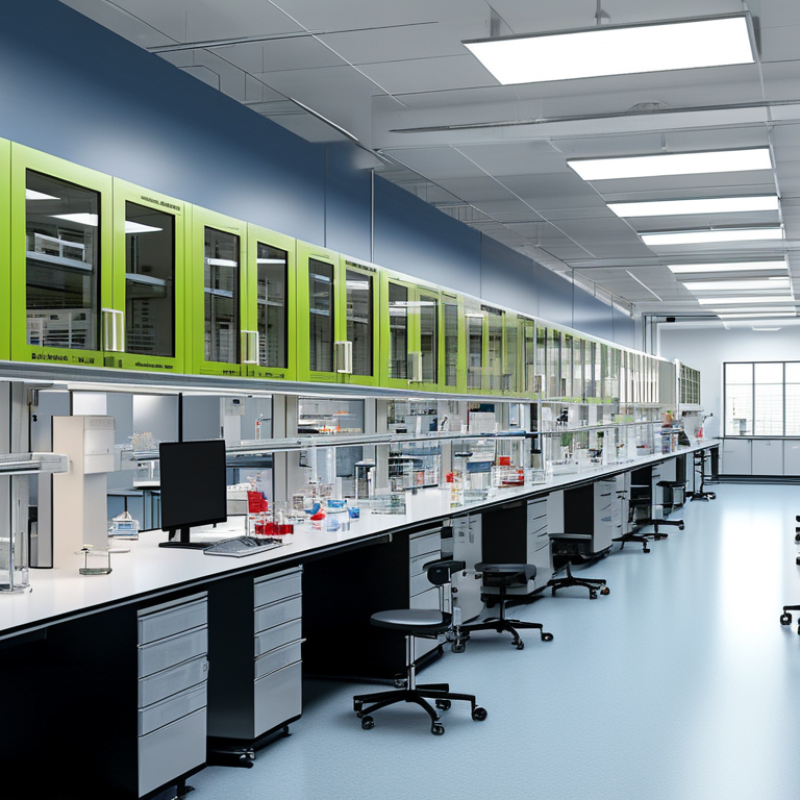
Laboratory benches are essential in various settings. They come in different styles to suit specific needs. For instance, a general-purpose bench is necessary for routine tasks. These benches are sturdy and provide a large work surface.
Specialty benches cater to different applications. A fume hood bench includes a ventilated hood for safety. This design protects users from hazardous fumes. In contrast, a wet bench is ideal for procedures involving liquids. It features drainage systems to manage spills effectively.
Selecting the right type involves examining the lab’s requirements. A bench should match the tasks performed daily. Sometimes, the available space might limit choices. Reflect on how furniture impacts workflow. A well-designed bench enhances productivity and safety. However, think about flexibility too. Will future changes in lab activities require adjustments? Always consider potential growth when choosing the best laboratory bench.
Key Features to Consider When Selecting Laboratory Benches
Choosing the right laboratory bench is crucial for efficiency. It affects workflow and organization. Consider the dimensions and layout of your lab space. A bench should fit seamlessly, allowing easy movement and access to equipment.
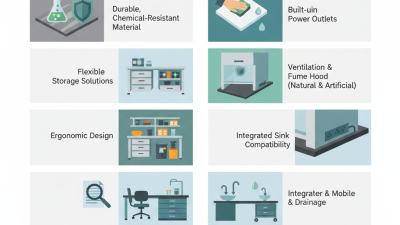
Materials used for laboratory benches significantly impact durability. Choose surfaces resistant to chemicals and easy to clean. A good workbench can withstand spills and wear over time. Think about your specific needs.
Tips: Look for benches with adjustable heights. This option accommodates different users and tasks. Additionally, consider storage features. Shelves and drawers help keep the workspace tidy and organized.
Don’t overlook the importance of ergonomics. Workbench design should promote comfort. Uncomfortable setups can lead to fatigue. Investing time in selecting the right features pays off in productivity.
Top Laboratory Bench Brands and Models in 2026
In 2026, the landscape of laboratory benches evolves, catering to diverse user needs. Selecting the right bench is crucial. It impacts workflow, efficiency, and safety. Top laboratory bench models focus on durability and flexibility. They accommodate various laboratory tasks, from research to teaching.
Many buyers prioritize features such as adjustable heights or chemical-resistant surfaces. These elements enhance usability and comfort. Some models offer integrated storage solutions, which can minimize clutter. However, not all designs are equally intuitive. It's essential to test layouts and surfaces when possible.
Buyers should also consider materials. High-quality wood or metal options may provide longevity. Yet, they can be heavier and more challenging to move. Additionally, while aesthetics may attract attention, functionality remains paramount. Observing reviews and feedback from users can reveal vital insights. Sharing experiences will uncover both strengths and weaknesses that may not be immediately apparent.
Comparative Pricing and Value Analysis for Global Buyers
When exploring laboratory bench options for 2026, global buyers must consider various pricing strategies and value analyses. Industry reports indicate that the global laboratory furniture market is projected to reach over $2 billion by 2027. This growth reflects increased investments in research and development across various sectors. Buyers should focus on cost-effectiveness, often seeking the right balance between price and functionality.
Tip: Prioritize your lab's specific needs. Assess the materials, design, and features for optimal performance. The right choices can enhance workflow efficiency. For instance, adjustable-height benches can cater to different research requirements, making them a noteworthy investment.
Additionally, it’s essential to reflect on the long-term costs associated with laboratory benches. While initial pricing may be attractive, durability and maintenance should play significant roles in decision-making. Some reports suggest that high-quality materials can reduce replacement frequency, ultimately saving costs.
Tip: Conduct thorough research. Comparing options across suppliers can uncover valuable deals. Online platforms often feature user reviews, which provide insights into performance and satisfaction. Look for data on user experiences to ensure informed purchasing decisions.
2026 Best Laboratory Bench Options for Global Buyers
| Bench Type |
Material |
Dimensions (L x W x H) |
Price Range (USD) |
Weight Capacity (kg) |
| Standard Lab Bench |
Laminate |
150 x 60 x 90 cm |
200 - 300 |
200 |
| Heavy-Duty Bench |
Steel |
180 x 75 x 90 cm |
400 - 600 |
500 |
| Mobile Workbench |
Wood and Metal |
120 x 60 x 85 cm |
150 - 250 |
150 |
| Chemical Resistant Bench |
Epoxy Resin |
160 x 70 x 90 cm |
350 - 500 |
300 |
| Antimicrobial Bench |
Polypropylene |
140 x 60 x 85 cm |
300 - 450 |
250 |
Future Trends in Laboratory Bench Design and Innovation
In designing laboratory benches, there's a significant shift towards user-centered approaches. The emphasis is on ergonomics, enabling researchers to work comfortably. Adjustable heights are becoming commonplace. They allow individuals of varying statures to engage effectively with their workstations. This enhances productivity and reduces physical strain.
Another trend is the integration of smart technologies. Workbenches are now equipped with sensors that monitor environmental conditions. These sensors can detect humidity and temperature levels, ensuring optimal working conditions for sensitive experiments. However, there is a concern about over-reliance on technology. What happens when systems fail? Laboratories must have backup protocols in place to maintain efficiency.
Sustainability is also at the forefront of future designs. Bench materials are increasingly sourced from eco-friendly options. This evolution reflects a growing commitment to environmental responsibility. Yet, sourcing can sometimes compromise performance. Balancing durability with sustainability remains a challenge for manufacturers. As these trends emerge, continuous innovation and reflection will be essential.
2026 Best Laboratory Bench Options for Global Buyers