2026 Top Metal Laboratory Bench Trends and Innovations for Your Lab Needs?
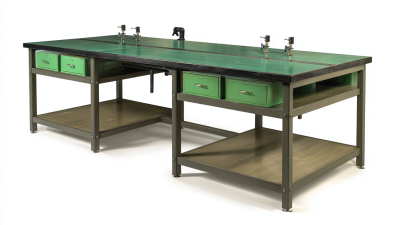
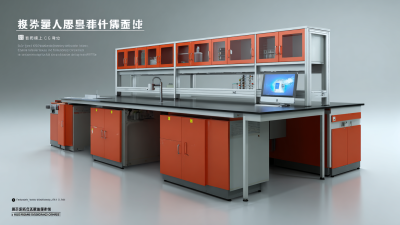
The landscape of laboratory furniture is evolving, particularly in the realm of metal laboratory benches. With a projected market growth of 6.5% annually through 2026, these benches are becoming crucial for modern labs. This growth reflects the increasing focus on durability, flexibility, and hygiene in laboratory settings. Metal laboratory benches are not just functional; they are central to efficient workflows and safety protocols.
According to the latest industry reports, labs are investing heavily in innovative designs. Features such as corrosion resistance, adjustable heights, and integrated power sources are becoming essential. However, not every lab might fully utilize these innovations. Some still rely on outdated furniture, lacking the benefits of modern materials and technologies. This gap suggests an area for improvement, where labs must reassess their equipment choices.
Additionally, the rise of sustainable materials presents both opportunities and challenges. While many manufacturers aim to produce eco-friendly metal laboratory benches, the transition requires careful planning and adaptation. Labs must weigh the benefits against potential costs. The trend toward customization also encourages reflection. Are lab planners considering the specific needs of their teams? Addressing these questions can lead to more effective and user-friendly solutions tailored to future demands.
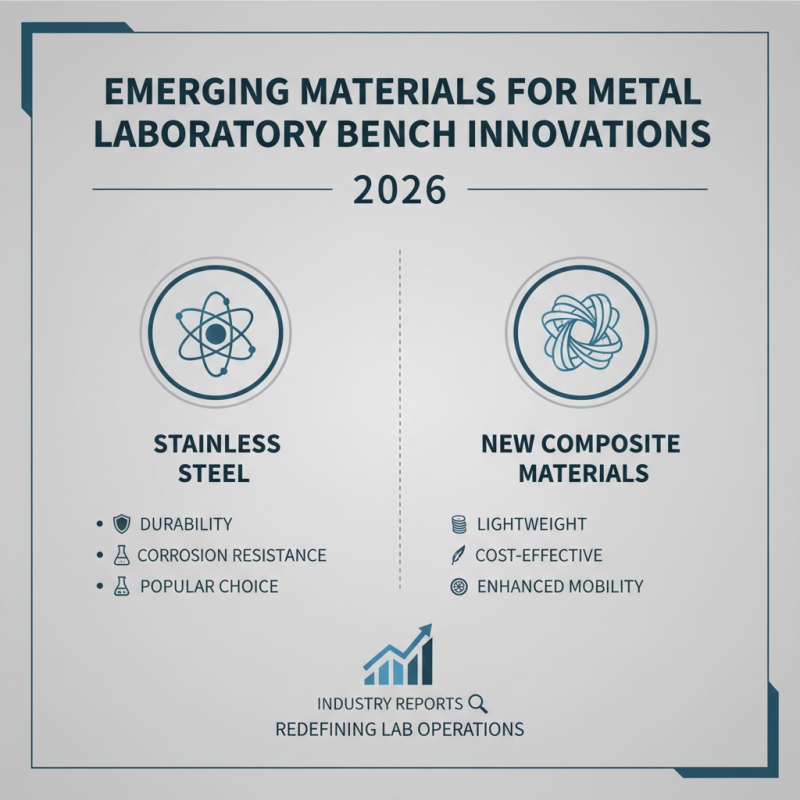
Emerging Materials for Metal Laboratory Bench Innovations in 2026
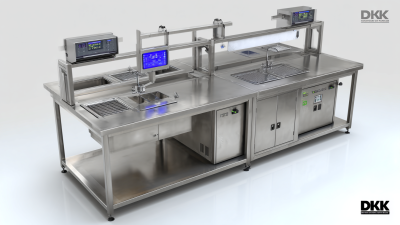
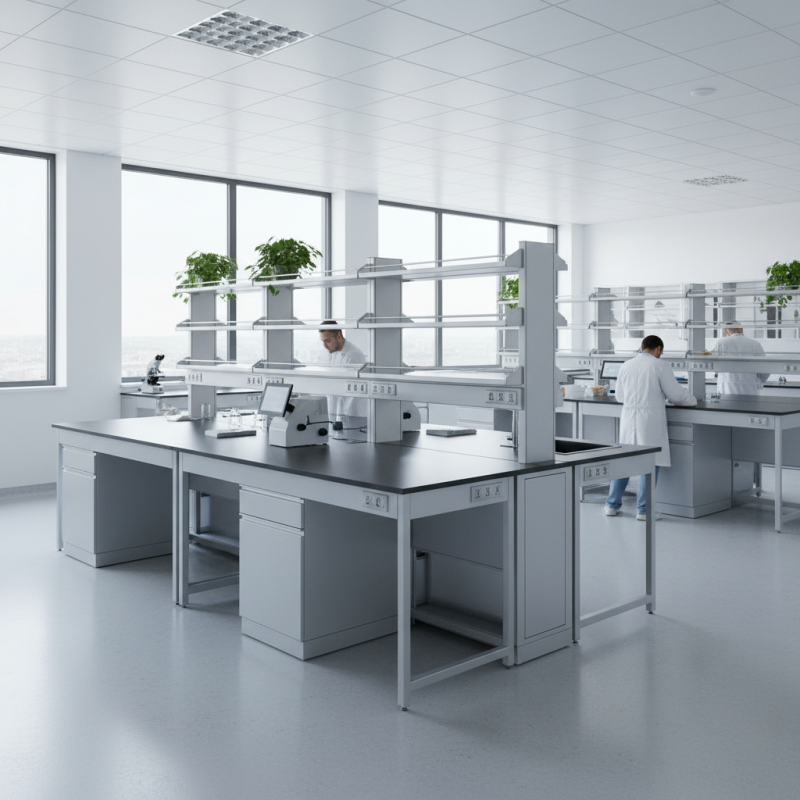
Emerging materials for metal laboratory benches in 2026 are redefining how labs operate. Recent industry reports indicate that stainless steel remains popular due to its durability and resistance to corrosion. However, new composite materials are gaining traction, offering a lightweight and cost-effective alternative. These composites can reduce the overall weight of lab furniture, enhancing mobility.
Innovative designs focus on functionality. For instance, modular benches allow quick reconfiguration for diverse experiments. This flexibility meets the evolving needs of laboratories. Some reports suggest that using anti-microbial coatings on metal surfaces can reduce contamination risks by up to 50%. While these advancements are promising, there remains a challenge in balancing cost and quality.
Lab managers must consider their specific requirements when upgrading. Not all new materials can deliver the same durability and performance. The market is flooded with options, but not every one is reliable. Ongoing research is needed to identify which innovations truly enhance lab efficiency without compromising safety. As the landscape evolves, attention to detail will be crucial for effective lab environments.
Key Design Considerations for Metal Laboratory Benches in Modern Labs
When designing modern metal laboratory benches, several key considerations emerge. Durability is paramount; benches must withstand heavy use and harsh chemicals. Choosing high-quality materials ensures longevity. A stable surface supports rigorous experiments, while a resistant finish prevents corrosion.
Ergonomics play a crucial role. The height of the benches should accommodate various users. Adjustable features could enhance comfort and promote productivity. Also, maintaining clear workspace layouts can reduce clutter, allowing for efficient workflow.
Another aspect is flexibility. Modular designs offer adaptability as lab needs evolve. Integrating storage solutions can help organize tools and supplies effectively. However, it's important to avoid overcrowding; an overly complex design might hinder functionality. Regular assessments of bench performance and user feedback can lead to continuous improvement. This reflection fosters a lab environment that promotes innovation and efficiency.
2026 Top Metal Laboratory Bench Trends and Innovations
Sustainability Trends in Metal Laboratory Bench Production and Use
The growing focus on sustainability is reshaping the production of metal laboratory benches. Manufacturers are increasingly prioritizing eco-friendly materials. Recycled metals are becoming popular, reducing waste and conserving natural resources. These changes reflect a broader commitment to environmental stewardship in laboratory settings.
Laboratories are also seeking modular designs in their benches. Modular benches allow for adaptability, extending the life cycle of the product. By easily modifying setups, labs can address shifting needs without complete replacement. This approach cuts down on waste and resource consumption. However, not all companies offer sustainable options, leading to a gap in the market.
The long-term durability of metal benches is another sustainability factor. They withstand wear and tear better than traditional materials. This resilience translates to fewer replacements over time. Yet, some organizations struggle to balance cost with sustainable choices. They may choose cheaper options, overlooking the environmental impact. This ongoing dilemma highlights the need for greater awareness and better solutions in lab environments.
2026 Top Metal Laboratory Bench Trends and Innovations for Your Lab Needs
| Trend/Innovation |
Description |
Sustainability Aspect |
Estimated Impact (%) |
| Modular Design |
Flexible bench components that can be customized for various lab needs. |
Reduces waste by allowing upgrades instead of full replacements. |
40% |
| Recycled Materials |
Use of aluminum and steel sourced from recycled materials for bench construction. |
Lowers carbon footprint in production processes. |
35% |
| Energy-Efficient Lighting |
Incorporation of LED lighting integrated into benches for better visibility and energy savings. |
Significantly reduces energy consumption in the lab. |
25% |
| Antimicrobial Surfaces |
Use of coatings that prevent bacterial growth on bench surfaces. |
Enhances safety and reduces the need for harmful cleaning agents. |
30% |
| Smart Technology Integration |
Incorporation of IoT devices for monitoring usage and environmental conditions. |
Improves efficiency and reduces resource waste. |
20% |
Customization Options for Metal Laboratory Benches to Meet Diverse Needs
In modern laboratories, customization is essential for metal laboratory benches. Each lab has unique workflows and needs. The ability to tailor bench designs can significantly enhance efficiency. For instance, a report from the Laboratory Equipment Manufacturers Association indicates that 70% of lab managers prioritize adjustable features in their workspaces. This flexibility allows researchers to focus on their tasks rather than deal with unsuitable setups.
Dimensions, surface materials, and storage options are crucial aspects of customization. Some labs require anti-corrosive finishes, while others benefit from additional shelving or integrated utilities. According to recent industry studies, 65% of laboratory personnel feel more productive with customized furniture. This correlation highlights the importance of investing in fixtures that align with specific research activities. However, not every customization option may prove effective. Some features can complicate workflow rather than simplify it, necessitating careful consideration of each choice made.
Another factor to consider is adaptability. The needs of research can change frequently, influenced by project demands or new technologies. Therefore, metal laboratory benches should be designed for quick upgrades. Reports indicate that 60% of lab directors regret not opting for modular solutions as projects evolved. This reflection on past decisions can guide future investments, ensuring that labs remain functional and effective in the face of change.