Leave Your Message

Top 10 Tips for Choosing Your Biology Laboratory Bench?

Choosing the right Biology Laboratory Bench can significantly impact your research results. An ideal bench supports various tasks while ensuring safety and efficiency. Laboratory benches vary in design and features, making the selection process somewhat daunting.

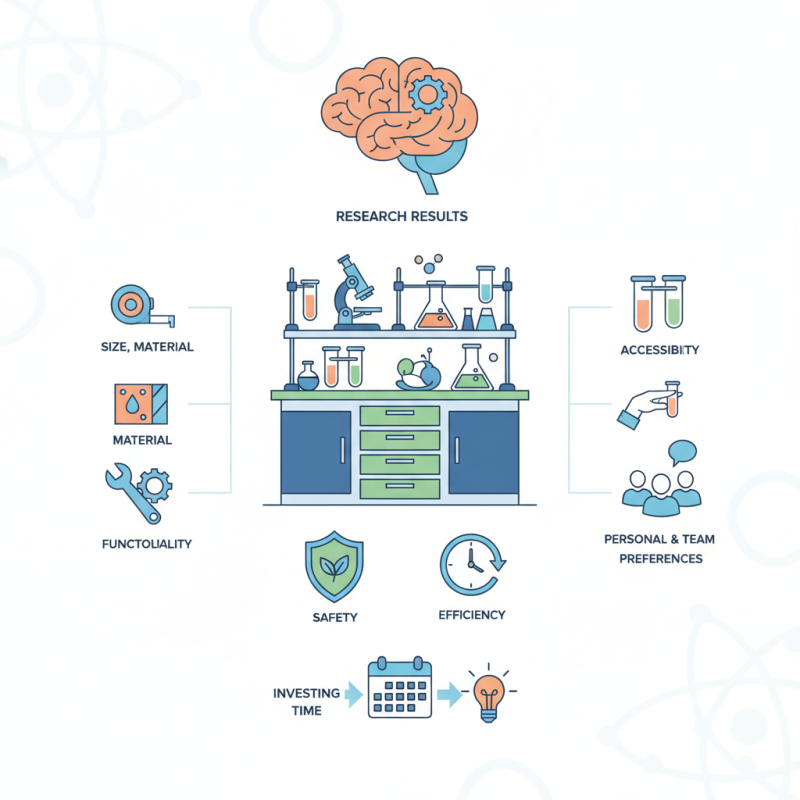
Consider factors such as size, material, and functionality. The bench should fit your space and needs, accommodating equipment and workflows. Durable surfaces resist spills and stains, crucial for biology work. Accessibility is another essential aspect; you need to reach everything without straining.

Remember that personal and team preferences play a role too. A bench that works for one group may not suit another. Investing time in choosing a suitable Biology Laboratory Bench is key to fostering productivity. Reflect on your requirements thoroughly to make the best choice.
Top 10 Tips for Choosing Your Biology Laboratory Bench?

Understanding the Purpose of Your Biology Laboratory Bench

Top 10 Tips for Choosing Your Biology Laboratory Bench?

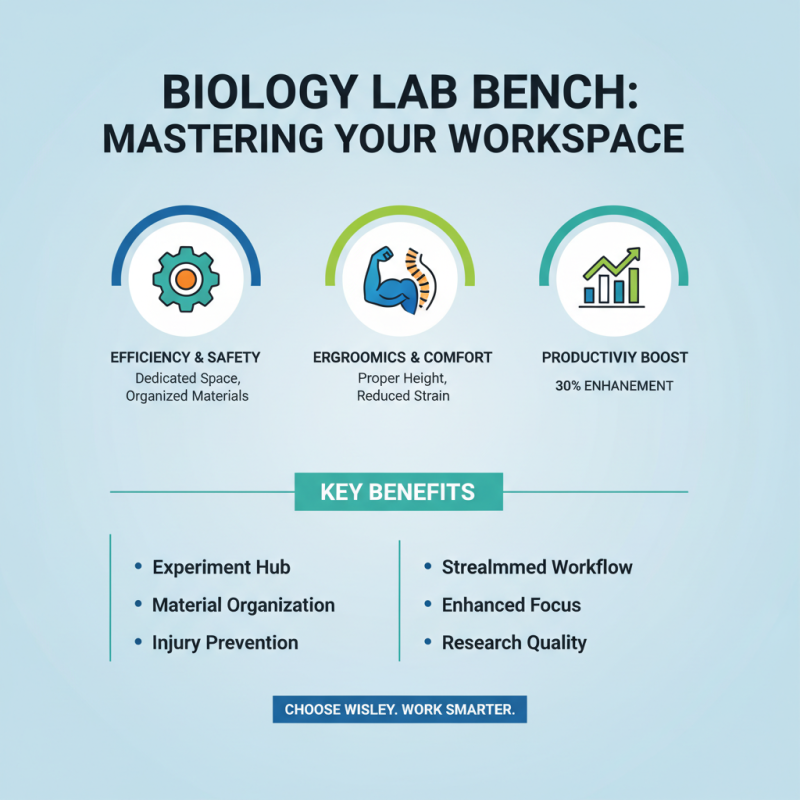
Choosing the right biology laboratory bench is crucial for both efficiency and comfort. A bench provides a dedicated space for conducting experiments, organizing materials, and ensuring safety. Reports indicate that well-designed lab spaces can enhance productivity by up to 30%. Proper bench height and workspace layout are essential for minimizing strain and facilitating workflow.

Understanding the purpose of your biology laboratory bench goes beyond mere functionality. A bench should accommodate equipment, samples, and safety measures while allowing for proper ventilation. This is especially important when handling biological materials. Laboratories need at least 20% of their bench space dedicated to safety equipment. Poor spatial planning can lead to accidents and hinder research progress.

Furthermore, the choice of materials impacts durability and cleanliness. Surfaces that are easy to disinfect are vital in biological labs to prevent contamination. Data shows that nearly 25% of lab accidents are due to inadequate workspace maintenance. Regular evaluations of bench setups can help identify areas for improvement and optimize the laboratory environment.

Evaluating Materials and Durability for Longevity

When choosing a biology laboratory bench, evaluating materials is crucial. Common materials include stainless steel, epoxy resin, and laminate. Stainless steel offers durability and resistance to spills. It's easy to clean but can be cold and uninviting. Wood can provide warmth but is less durable in wet environments.

Durability is vital for longevity. A bench that withstands daily wear and tear ensures consistent research output. Consider the surface finish. Smooth finishes resist stains but may show scratches over time. A textured surface can help hide flaws but might gather dirt. It’s essential to balance aesthetics with functionality.

Reflecting on these choices is necessary. Sometimes, we prioritize looks over practicality. A beautiful bench may not hold up under heavy use. Evaluate your lab's specific needs and choose wisely. The right materials can make a significant difference in your research environment.

Top 10 Tips for Choosing Your Biology Laboratory Bench

This chart displays the evaluation of different materials and their durability for laboratory benches based on user preferences and longevity criteria.

Considering Ergonomics and Comfort in Laboratory Design

Selecting a laboratory bench requires attention to ergonomics and comfort. These factors are vital for long-term productivity and well-being. According to a study by the American Society of Safety Professionals, around 50% of laboratory workers experience discomfort due to poor bench design. This discomfort can lead to decreased focus and productivity, impacting research outcomes.

Height-adjustable benches can accommodate various users, promoting better posture. A report from the National Institute for Occupational Safety and Health shows that ergonomic benches reduce musculoskeletal injuries by 41%. Choosing the right material also matters. A bench with a non-slip surface can prevent accidents, ensuring safety in high-paced environments.

Customization is another critical aspect. Laboratories with personalized setups report 30% higher satisfaction among users. Flexibility in design allows for changes as needs evolve. However, it's essential to consider budget constraints versus ergonomic needs. Many labs still opt for standard options, risking worker comfort and efficiency in the long run. Investing in ergonomic designs is not just an expense; it's a step towards fostering a healthier working environment.

Assessing Space and Layout for Optimal Workflow

Top 10 Tips for Choosing Your Biology Laboratory Bench?

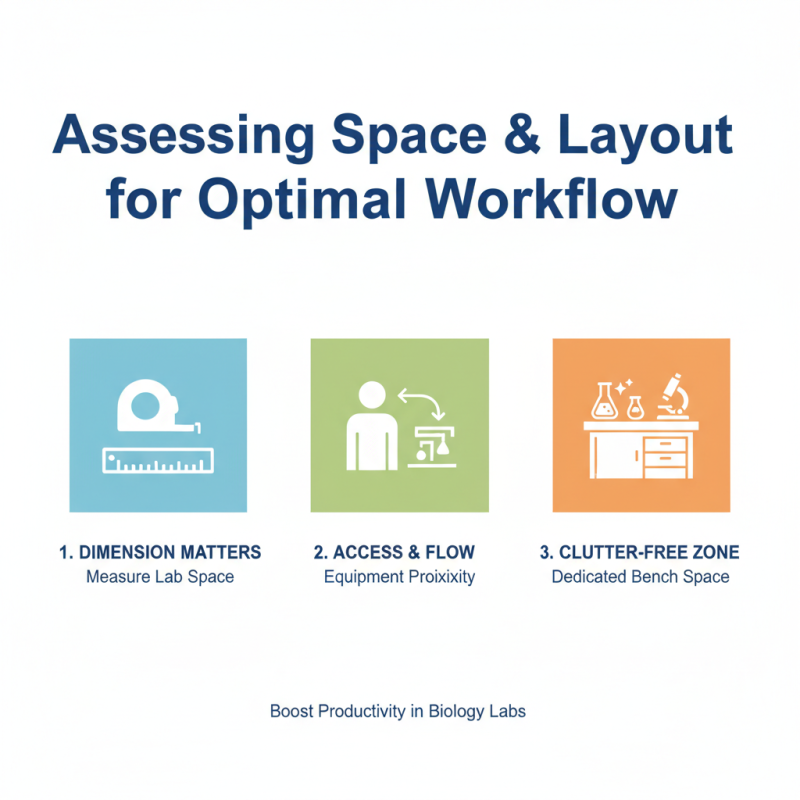
When designing a biology laboratory, space assessment is critical. Understanding the dimensions of your laboratory can significantly enhance productivity. Ensure that the layout allows easy access to essential equipment and supplies. A cluttered workspace often leads to inefficiencies and frustration. Appropriately allocated bench space can help minimize distractions during experiments.

Workflow optimization is another key factor. Organizing tools and materials in a logical manner supports collaborative efforts among team members. Consider the tasks your lab performs most frequently. Is the setup conducive to smooth transitions between different stages of work? Sometimes, what seems intuitive needs reconsideration. An inefficient layout may hinder progress or even compromise results.

Taking time to rethink the design can uncover hidden opportunities. It’s essential to involve the team in the decision-making process. Vendors or consultants can offer professional insights, but the lab users know their workflow best. Imagine adjusting the layout after a few months of use. Revisiting the design may reveal flaws that impact efficiency. Regular reflections on the setup will drive continuous improvement in your lab's dynamics.

Exploring Budget Constraints and Funding Options for Your Bench

When setting up your biology laboratory bench, budget constraints play a significant role. Knowing your limits can help you prioritize essential equipment. Consider what is necessary for your specific research needs. Allocating funds wisely can prevent overspending on less vital items. It's crucial to explore various funding options. Grants, institutional resources, and collaborations can provide the financial support needed for your bench.

One tip is to compare costs for essential lab supplies. This ensures you get quality items without breaking the bank. Check local suppliers and online sources for deals. Reach out to other labs for recommendations on affordable yet reliable products. Networking can also lead you to potential funding opportunities. Collaborating on projects can help you share costs while accessing a broader range of resources.

Keep in mind that sometimes, less is more. A simple, well-organized bench can enhance productivity. Overloading your workspace with unnecessary gear can lead to confusion. It’s about finding a balance between quality and quantity. Prioritize items that will have the most significant impact on your research. Ultimately, thoughtful planning will help you create an efficient and effective laboratory environment.

Top 10 Tips for Choosing Your Biology Laboratory Bench

Tip Description Budget Considerations Funding Options
1. Define Your Needs Identify essential equipment and workspace requirements for your projects. Consider long-term vs. short-term costs for equipment. Look into institutional grants for specific needs.
2. Space Availability Measure the physical space to ensure the bench fits well. Space constraints may limit more cost-effective options. Seek assistance from campus facilities for optimizing space.
3. Ergonomics Ensure the bench height and layout promote comfortable working conditions. Investing in ergonomic solutions can reduce long-term health costs. Look for funding for health and safety improvements.
4. Material Quality Select materials that withstand chemicals and wear over time. Higher quality materials may mean higher upfront costs. Grants may cover durable material options.
5. Versatility Consider benches that can be adapted for various experiments. Flexible options may reduce the need for multiple purchases. Apply for funding aimed at innovative lab setups.
6. Compliance with Regulations Ensure the bench meets safety and industry standards. Compliance costs can affect budget; plan accordingly. Funding for compliance upgrades may be available.
7. Storage Solutions Incorporate adequate storage for tools and materials. Storage solutions can increase overall costs; evaluate their necessity. Grants for organizing labs can subsidize costs.
8. Aesthetic Preferences Choose an appealing design that inspires creativity. Aesthetic options can be more expensive; prioritize functionality first. Consider small project grants for lab enhancements.
9. Supplier Reliability Research suppliers with good reviews and service records. Avoiding unreliable suppliers saves future costs on replacements. Supplier partnerships may offer funding or discounts.
10. Future Expansion Plan for potential future expansions or modifications. Designing with growth in mind can save costs later. Innovation grants may support future lab developments.