Top Laboratory Table Designs for Optimal Workspace Efficiency?
In the world of scientific research, the design of a Laboratory Table plays a crucial role in enhancing productivity. Dr. Emily Chen, a leading expert in laboratory workspace optimization, emphasizes, "A well-designed laboratory table can transform how researchers interact with their environment." The efficiency of a laboratory is heavily influenced by its layout and equipment placement.
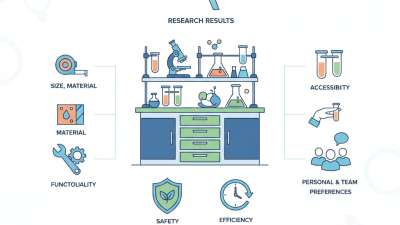
Choosing the right laboratory table requires careful consideration of function and form. Different research fields demand varying needs. For instance, chemistry labs often require durable surfaces resistant to spills. Meanwhile, biology labs benefit from tables with integrated storage for tools and samples. These features can greatly improve workflow and reduce clutter.
However, achieving optimal efficiency is often a challenge. Many labs struggle to balance space constraints with the need for comprehensive functionality. Inadequate table design can lead to accidents and decreased productivity. To create an effective workspace, constant evaluation and adaptation of laboratory tables are necessary. This reflection can guide researchers toward better solutions, ensuring a safe and efficient work environment.
Key Features of Laboratory Table Designs for Efficiency
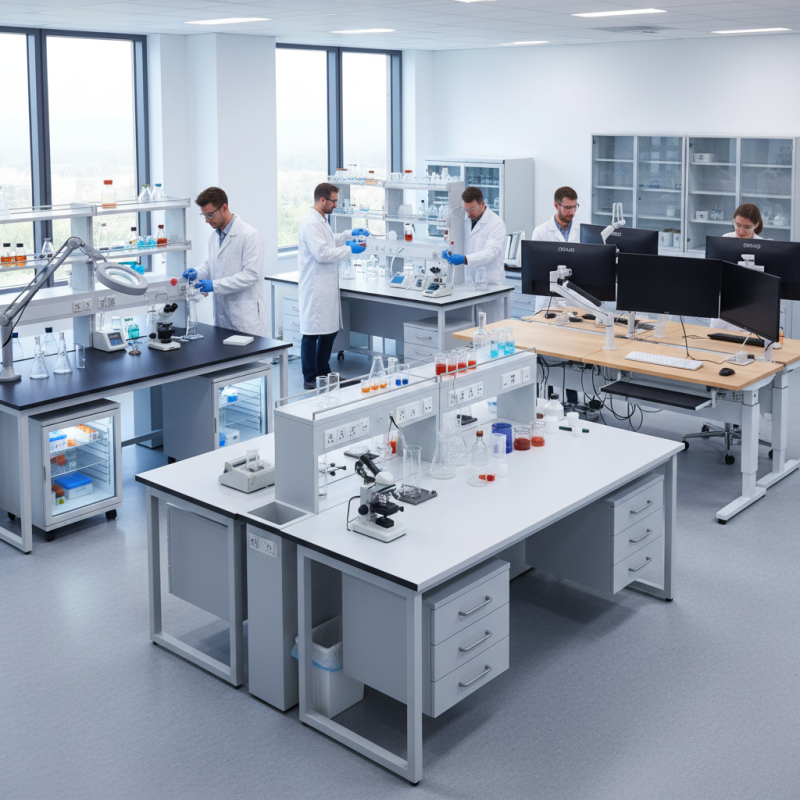
In modern laboratories, table designs play a crucial role in ensuring workspace efficiency. A good laboratory table should optimize space while facilitating organization. Adjustable height features can enhance ergonomic comfort for various tasks. These tables often include built-in storage solutions, allowing users to keep equipment and materials within reach. Flexible configurations help accommodate different activities, which can enhance productivity.
Durability is another key aspect. Laboratory tables should withstand wear caused by chemicals and heavy equipment. Easy-to-clean surfaces are vital for maintaining hygiene. Additionally, lightweight materials used in construction can make reconfiguration easier when the space needs to adapt quickly. However, finding the right balance between stability and weight can be challenging.
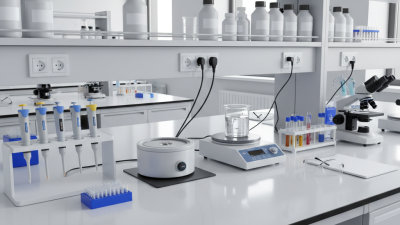
Reflection on current laboratory table designs reveals ongoing issues. Some tables lack sufficient cable management, leading to cluttered workspaces. Users often neglect how important a clear surface is. Another common problem is inadequate power access, limiting the use of electronic devices. Improving these small details can significantly enhance overall efficiency and workflow in any lab setting.
Top Laboratory Table Designs for Optimal Workspace Efficiency
Types of Laboratory Tables and Their Specific Uses
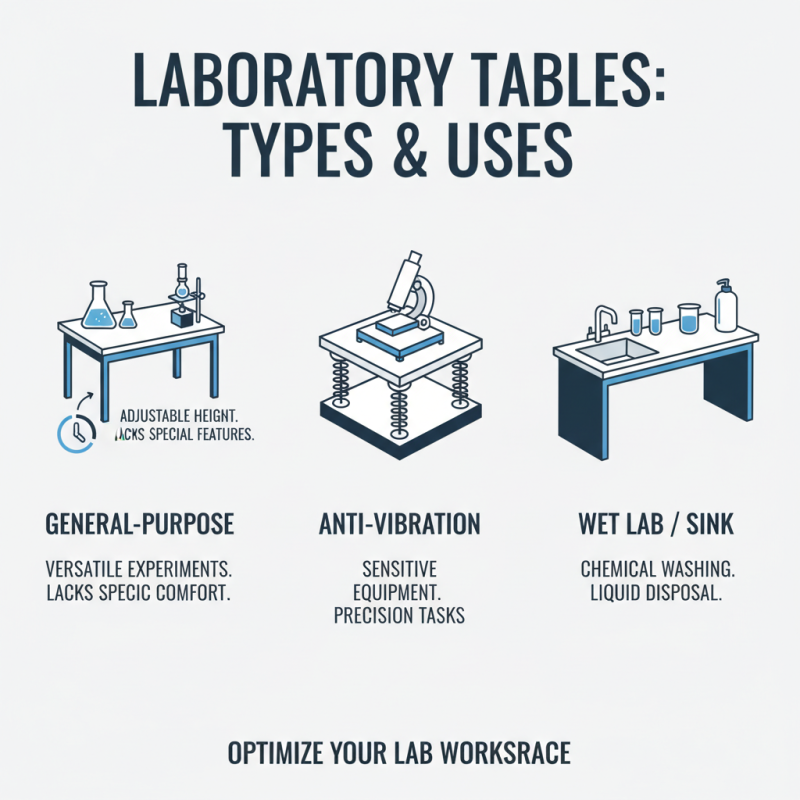
Laboratory tables vary widely, each designed for specific tasks. A general-purpose table is versatile, suited for many experiments. However, it may lack special features. Consider incorporating adjustable height options to promote ergonomic practices. This simple change can greatly enhance work comfort over long hours.
Specialized tables cater to distinct fields. For chemistry labs, chemical-resistant surfaces are essential. In contrast, biological labs benefit from tables with integrated sinks and ventilation. Such designs help maintain safety and streamline processes, but they can come with higher costs. Balancing budget and functionality is a common challenge.
Another consideration is mobility. Mobile laboratory tables allow easy reconfiguration of spaces. Flexibility can enhance collaboration but may lead to clutter if not managed well. Assessing the workspace layout is crucial. A table’s design should support workflow, not disrupt it. The right table can transform efficiency, but achieving that requires careful thought and reflection.
Materials for Laboratory Tables: Durability and Functionality
When choosing materials for laboratory tables, durability and functionality are paramount. Reports indicate that tables made from high-density polyethylene (HDPE) can withstand significant impact and corrosive substances. This makes HDPE a preferred choice for environments dealing with harsh chemicals. Additionally, laminate surfaces provide a reliable barrier; they resist scratches and are easy to clean.
Steel frames are essential for structural support. A study by the National Institute of Standards and Technology points out that stainless steel tables offer good resistance to rust and wear. However, these tables can show surface damage over time, reflecting a need for regular maintenance. Additionally, solid wood tables offer aesthetic appeal but often lack the chemical resistance of synthetic materials.
Choosing the right material involves trade-offs. For instance, while HDPE and laminate are less costly, they may lack the elegance of wood. Some facilities might prioritize appearance over functionality, leading to potential inefficiencies. On the other hand, heavy-duty tables could make shifts and relocations a challenge. Balancing these factors is key to optimizing workspace efficiency in any laboratory setting.
Innovative Features Enhancing Workspace Productivity
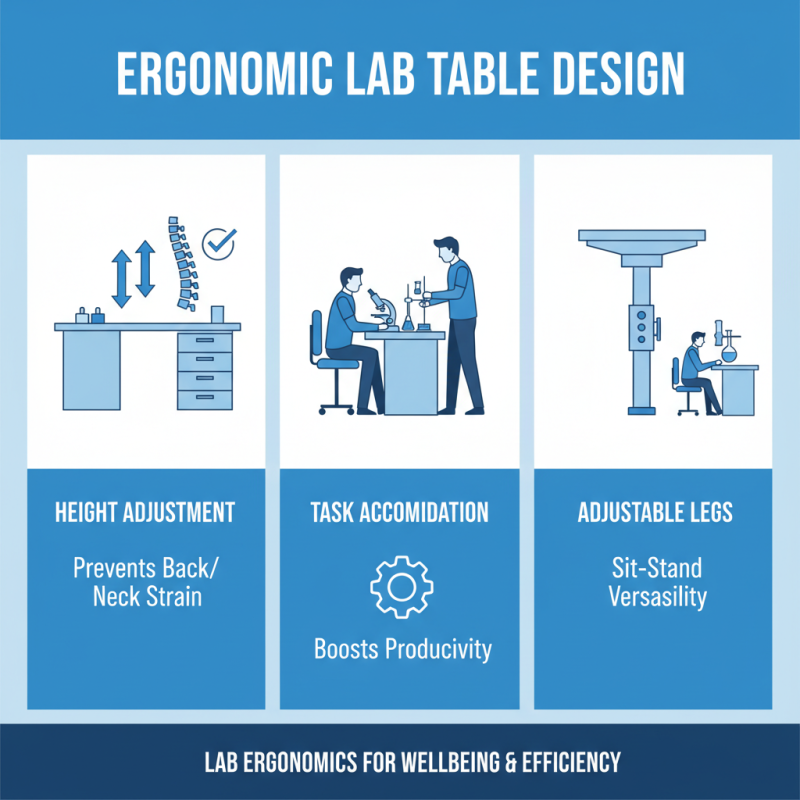
In laboratory settings, workspace design significantly influences productivity. Innovative features in laboratory tables are changing how scientists work. According to a report by the Laboratory Design Institute, an optimized lab environment can enhance efficiency by up to 25%. Ergonomically designed surfaces prevent strain and promote comfort, allowing researchers to focus on their tasks.
Adjustable height tables cater to different users, making it easier to switch between tasks. Studies show that workplaces with customizable elements see a remarkable increase in employee satisfaction. Features like integrated storage solutions also help maintain an organized workspace. Clutter-free environments allow for quick access to essential tools and materials.
Tip: Keep your workspace clutter-free. Allocate time each week to organize your materials. This encourages a clear mind and potentially improves your research output.
Tip: Consider the lighting in your workspace. Proper illumination not only reduces eye strain but also enhances concentration.
While many laboratories have made improvements, there is still room for growth. Regular evaluations of workspace designs can reveal areas for enhancement. An upfront assessment might identify that traditional setups hinder creativity and collaboration. A proactive approach is essential for ongoing productivity in laboratory environments.