Top Laboratory Furniture Suppliers for 2025 What to Look For and Key Trends
As the world of science continues to evolve, the demand for high-quality laboratory furniture is becoming increasingly critical. In 2025, laboratories will need to adapt to new trends in design, functionality, and sustainability. According to Dr. Emily Carter, a leading expert in lab infrastructure, "The right laboratory furniture enhances not only the efficiency of scientific work but also ensures the safety and well-being of its users." This underscores the importance of selecting the right laboratory furniture supplier who understands these emerging needs.
When navigating the evolving landscape of laboratory furniture suppliers, it is essential to consider key factors such as innovation, ergonomic design, and environmental responsibility. Labs require versatile and durable furniture solutions that can adapt to changing technological demands, while also prioritizing the health and safety of researchers. The trends shaping the industry include a move towards modular furniture systems, sustainable materials, and integrated technology that streamline workflows.
As we approach 2025, laboratory managers and procurement teams must be prepared to invest in suppliers that not only offer quality products but also align with the evolving needs and values of scientific research. Partnering with the right laboratory furniture supplier can significantly impact a laboratory's operational effectiveness and its overall research outcomes.
Top Laboratory Furniture Suppliers for 2025: An Overview
When considering top laboratory furniture suppliers for 2025, it's essential to evaluate their offerings based on innovation, sustainability, and adaptability to changing laboratory needs. Today's laboratories require furniture that not only supports advanced research but also complies with strict safety standards. Therefore, suppliers are increasingly focusing on ergonomic designs that enhance user comfort while providing durability and functionality. This trend reflects the growing need for collaborative workspaces that support multidisciplinary teams and foster innovation.
Another critical aspect when selecting laboratory furniture suppliers is their commitment to sustainability. With an increasing emphasis on environmental responsibility, many suppliers are now offering furniture made from eco-friendly materials and employing sustainable manufacturing practices. This trend not only benefits the planet but also aligns with the values of organizations that are striving to reduce their ecological footprint. Additionally, suppliers that prioritize flexible modular systems can cater to evolving laboratory configurations, allowing institutions to adapt their environments as research needs change. By focusing on these key factors, laboratories can ensure that they invest in furniture that meets both current and future demands.
Key Factors to Consider When Choosing Laboratory Furniture
When choosing laboratory furniture, several key factors should be carefully considered to ensure that the selected items meet both functional and safety requirements. First and foremost, durability is crucial; laboratory environments often involve exposure to chemicals, heat, and wear and tear. It is essential to select materials that can withstand these conditions while maintaining their structural integrity over time. Additionally, the furniture should be easy to clean and resistant to staining, which will help maintain a hygienic workspace.
Another essential aspect to consider is ergonomics. Laboratory personnel often spend long hours at their workstations, so furniture design should prioritize comfort and accessibility. Adjustable tables and chairs can help accommodate different user heights and preferences, reducing the risk of strain and injury. Furthermore, the layout of the laboratory should facilitate easy movement and collaboration among team members, allowing for a more efficient workflow.
Lastly, staying updated with key trends in laboratory furniture is vital. Trends such as sustainable materials and flexible designs are becoming increasingly important in laboratory setups. Eco-friendly materials not only minimize environmental impact but can also enhance the overall aesthetic of the workspace. As technology continues to evolve, integrating smart storage solutions and modular furniture can further enhance efficiency and adaptability in modern laboratories. By considering these factors, organizations can create a laboratory space that is not only functional but also conducive to innovation and productivity.
Emerging Trends in Laboratory Furniture Design for 2025
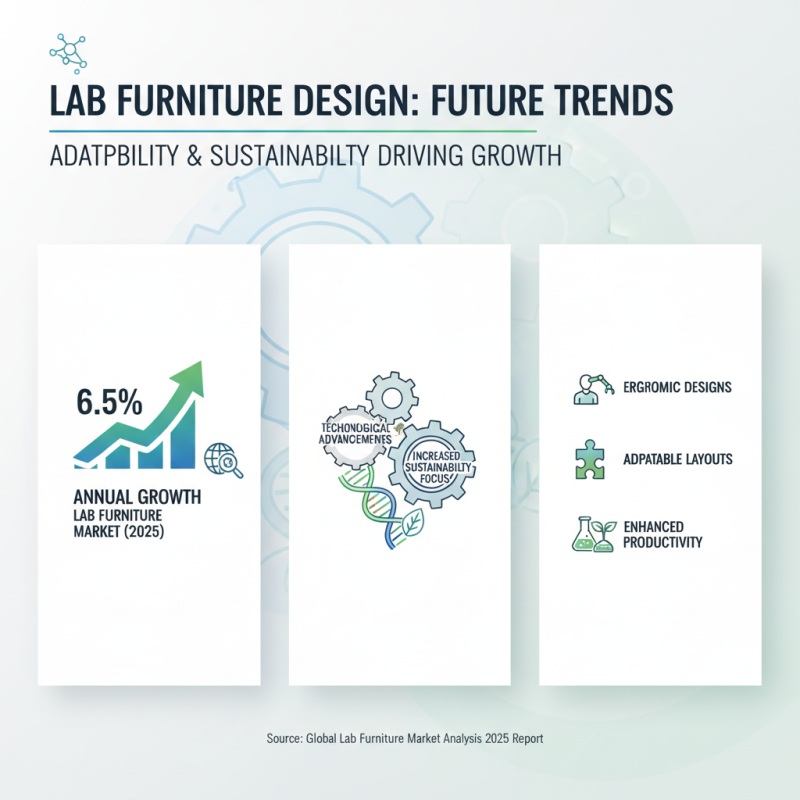
The landscape of laboratory furniture design is evolving rapidly, influenced by technological advancements and an increasing focus on sustainability. According to the latest industry report released by the Global Lab Furniture Market Analysis for 2025, there is a projected annual growth rate of approximately 6.5% in demand for laboratory furniture. This growth is fueled by the need for adaptable and ergonomic designs that enhance productivity and support the various functions of modern laboratories.
One of the emerging trends highlighted in the report is the integration of smart technology into laboratory furniture. Features such as adjustable height workstations, smart storage solutions, and built-in connectivity options are becoming essential to meet the dynamic needs of researchers. Furthermore, growing environmental awareness is driving the adoption of eco-friendly materials and sustainable manufacturing practices. A significant 55% of laboratory professionals surveyed noted that they prioritize sustainability when selecting furniture, indicating a clear shift towards greener solutions in the industry.
In addition, customization is gaining momentum, with laboratories seeking furniture that can be tailored to specific workflows and spatial constraints. Modular designs allow for flexibility and reconfiguration, which is crucial as research needs evolve. The flexibility provided by customizable laboratory furniture not only maximizes workspace efficiency but also supports collaborative efforts within research teams, thereby fostering innovation in laboratory environments. These trends reflect a broader transition towards creating optimized, high-functioning spaces that cater to the future of scientific discovery in laboratories.
Sustainability in Laboratory Furniture: Importance and Examples
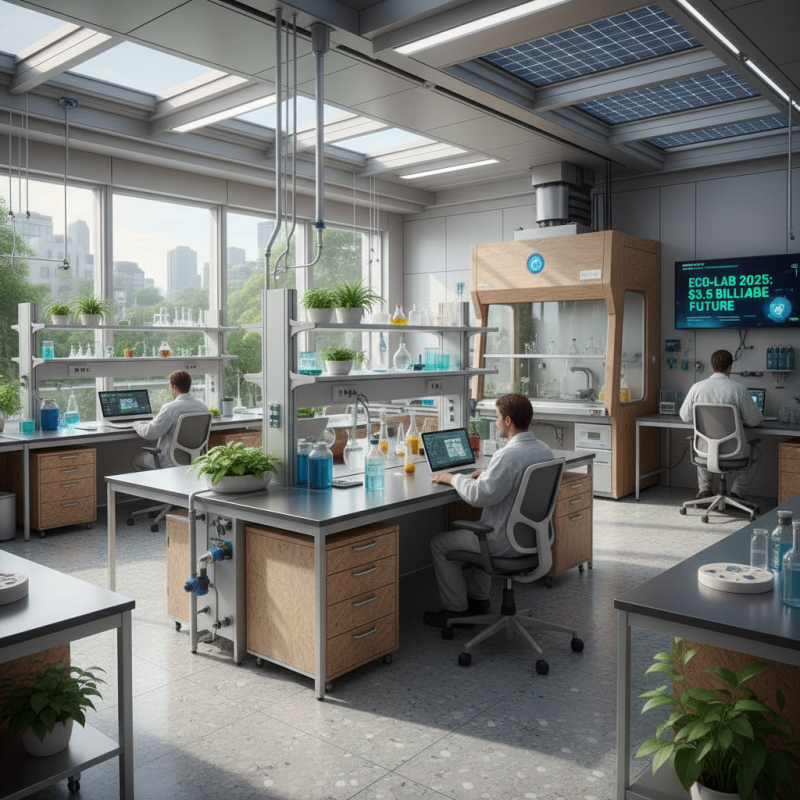
Sustainability has emerged as a critical factor in the design and production of laboratory furniture, with a growing emphasis on environmentally responsible practices. According to a report by Grand View Research, the global laboratory furniture market is expected to reach $3.5 billion by 2025, propelled by the increasing awareness of sustainability and the need for eco-friendly materials. The incorporation of sustainable materials, such as recycled metals and bio-based plastics, not only reduces the carbon footprint of laboratory setups but also aligns with regulatory guidelines aimed at minimizing environmental impact.
Moreover, the trend towards modular and flexible designs in laboratory furniture is gaining traction as organizations seek to optimize space and resources. A study by MarketsandMarkets found that modular laboratory furniture can improve functionality and sustainability by allowing for reconfiguration without the need for extensive new materials. This adaptability not only conserves resources but also caters to the evolving needs of scientific research environments. Integrating elements like energy-efficient lighting and low-VOC finishes further enhances the sustainability of laboratory spaces, making them healthier for both users and the planet.
Innovative Materials and Technologies in Laboratory Furniture Production
The landscape of laboratory furniture production is evolving rapidly, driven by innovative materials and technologies that enhance functionality, sustainability, and ergonomics. A recent industry report indicates that the global laboratory furniture market is projected to grow at a CAGR of 5.6% from 2023 to 2028, highlighting the increasing demand for advanced solutions tailored to modern laboratory needs. This growth is primarily fueled by the adoption of materials such as epoxy resin, which is known for its chemical resistance and durability, making it a favored choice for lab countertops and work surfaces.
Furthermore, the integration of smart technology into laboratory furniture is redefining workspace efficiency. For example, adjustable workbenches equipped with sensors that monitor workload and track usage patterns are becoming more prevalent. According to a study from the Laboratory Equipment Manufacturers Association, over 60% of lab managers are considering workspace automation as a means to enhance productivity and reduce manual errors. This trend reflects a broader shift toward customizable and flexible laboratory environments that cater to specific research and operational needs, ensuring both safety and performance are prioritized.
Top Laboratory Furniture Suppliers for 2025: Innovations and Trends