Top Laboratory Furniture Manufacturers in 2026 What to Know?
As the demand for innovative laboratory environments grows, the laboratory furniture manufacturer sector is witnessing significant changes. Reports from the International Laboratory Equipment Association projected a steady growth rate of 6% over the next five years. This growth emphasizes the need for higher quality and more adaptable lab furniture solutions.
Dr. Sarah Evans, a leading expert in laboratory design, emphasizes, "The right laboratory furniture can greatly enhance productivity and safety." This sentiment resonates in a time when both functionality and aesthetics are crucial in laboratory spaces. Manufacturers are now focusing on customizable options to meet diverse needs, from research labs to educational institutions.
Challenges remain, however. Some manufacturers struggle with sustainability and material sourcing. Balancing quality with eco-friendly practices is increasingly important. Industry leaders must reflect on these issues and adapt to ensure long-term success. The evolution of the laboratory furniture manufacturer landscape relies on innovative thinking and responsiveness to market demands.
Overview of Laboratory Furniture Manufacturing Industry in 2026
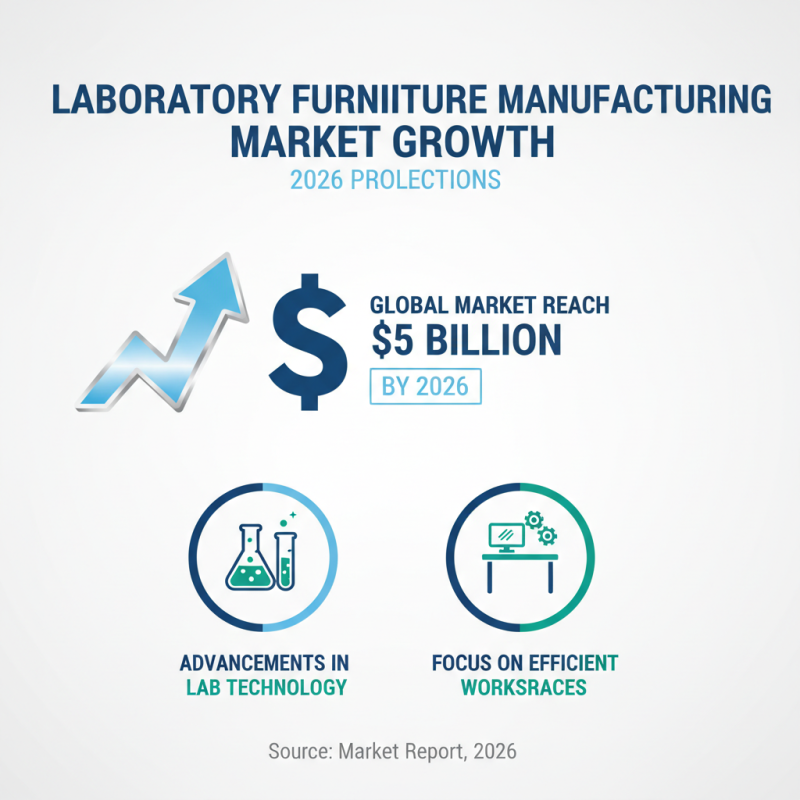
The laboratory furniture manufacturing industry is poised for significant growth in 2026. According to a recent market report, the global market is projected to reach $5 billion by 2026. This growth is driven by advancements in laboratory technology and an increasing focus on efficient workspaces.
A shift towards modular and flexible furniture solutions reflects the evolving needs of modern laboratories. For instance, laboratories now demand furniture that allows easy reconfiguration. This need arises from the growing trend of collaborative work. Ergonomic designs also gain traction, catering to the comfort of long-term users. Despite advancements, the industry faces challenges such as meeting stringent safety regulations and the need for sustainable materials.
Manufacturers must adapt to the changing landscape. Investing in eco-friendly materials is becoming essential, with 30% of consumers prioritizing sustainability in their purchasing decisions. However, quality control remains an area requiring attention. Ensuring that all products meet rigorous standards is critical for both safety and longevity. As the market expands, manufacturers must continually reflect on their practices. Balancing innovation with quality and sustainability will define success in this dynamic environment.
Key Factors Influencing the Growth of Laboratory Furniture Manufacturers
The laboratory furniture market is evolving rapidly. Recent studies predict a growth rate of 6.5% annually by 2026. There are several key factors driving this change. Increased funding for scientific research is one major aspect. Governments and private sectors are investing heavily in laboratory infrastructure. This demand impacts furniture manufacturers significantly.
Sustainability is another vital factor. Many laboratories are adopting eco-friendly materials. This shift aims to minimize environmental impacts and comply with regulations. A report from the Environmental Protection Agency shows that over 50% of laboratories are planning to upgrade to sustainable options in the next few years.
Customization is also crucial. Lab operators seek specific designs to meet their unique needs. This trend can complicate production processes. Yet, it offers opportunities for manufacturers to stand out. A significant number of labs report issues with standard furniture not fitting their workflows. Balancing versatility and production efficiency is essential for future success.
Top Laboratory Furniture Manufacturers in 2026 - Key Factors Influencing Growth
| Factor |
Description |
Impact on Growth (%) |
| Innovation in Design |
Adoption of cutting-edge designs to improve functionality and aesthetics. |
25% |
| Sustainability |
Increasing demand for eco-friendly materials and sustainable practices. |
30% |
| Customization |
Growing need for customized laboratory furniture to meet specific research needs. |
20% |
| Technological Advancements |
Integration of technology in furniture design for enhanced usability. |
15% |
| Regulatory Standards |
Compliance with new safety and quality regulations impacting manufacturing processes. |
10% |
Leading Laboratory Furniture Manufacturers and Their Market Position
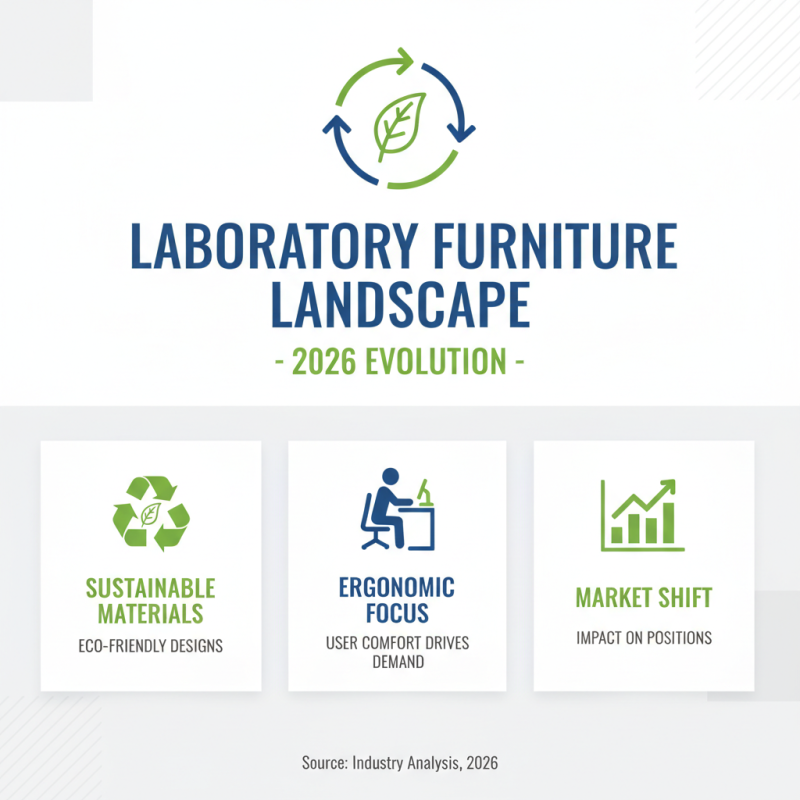
The landscape of laboratory furniture manufacturers is evolving. In 2026, there's a noticeable shift towards sustainable materials. Companies are increasingly focusing on eco-friendly designs. This trend impacts market positions heavily. The demand for ergonomic furniture is also rising, driven by user comfort.
Many leading manufacturers are adapting to these changes. They invest in technology to create functional and stylish solutions. However, some still struggle to meet these new demands. Designing furniture that meets diverse needs can be challenging. Innovations must consider safety, durability, and aesthetics.
Competition remains fierce in the laboratory furniture sector. Some firms excel, but others lag behind. Those who fail to adapt may lose market share. Constant evaluation and improvement are essential. The future success of these manufacturers depends on their ability to innovate.
Innovations and Trends in Laboratory Furniture Design and Materials
Laboratory furniture is evolving rapidly in 2026. Innovations in design and materials play a crucial role in this transformation. Ergonomics is now a central focus. As researchers spend long hours in labs, furniture must promote comfort and efficiency.
Adjustable tables and customizable workstations have gained popularity. According to a recent industry report, ergonomic furniture can increase productivity by at least 30%.
Sustainability is another trend influencing laboratory furniture design. Materials like bamboo and recycled metals are making waves. More lab managers are prioritizing eco-friendly options. A study showed that 68% of laboratories are considering green alternatives due to environmental concerns. However, the challenge remains in balancing durability with sustainability. Some materials may lack long-term reliability, raising questions about their viability in high-demand settings.
Furthermore, technology integration is essential. Incorporating smart features, such as built-in power sources and data ports, is becoming standard. Yet, the high costs associated with smart furniture pose dilemmas for many facilities. A significant number of laboratories may struggle to adopt these innovations. Investing in advanced solutions is necessary but not always feasible for all institutions.
Such complexities create a landscape filled with both opportunity and challenges.
Sustainability Practices Among Top Laboratory Furniture Manufacturers
Sustainability is becoming crucial for laboratory furniture manufacturers. Recent data shows that about 70% of consumers prefer eco-friendly products. This shift is driving companies to adopt sustainable practices.
Many manufacturers are exploring recyclable materials. For instance, high-quality metals and sustainable wood reduce waste. Some companies are transitioning to biodegradable adhesives and coatings. Such materials can decrease harmful chemical emissions.
However, challenges remain. Some manufacturers still rely on traditional production methods. These methods can produce excess waste. Additionally, not all sustainable materials are cost-effective. This poses a dilemma for manufacturers balancing profit and environmental responsibility. The journey toward sustainability is ongoing and complex.
Top Laboratory Furniture Manufacturers in 2026 - Sustainability Practices