Top Laboratory Faucet Options for 2026 What to Consider?
When selecting a laboratory faucet, making the right choice is crucial. According to expert Dr. Emily Carter, a leading figure in laboratory design, “The right laboratory faucet can enhance safety and efficiency.” In 2026, lab professionals face unique challenges. An efficient faucet should cater to both functionality and durability.
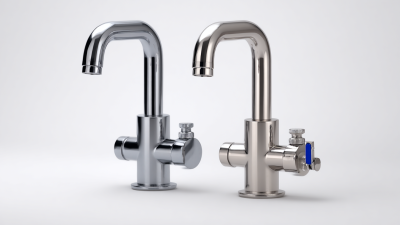
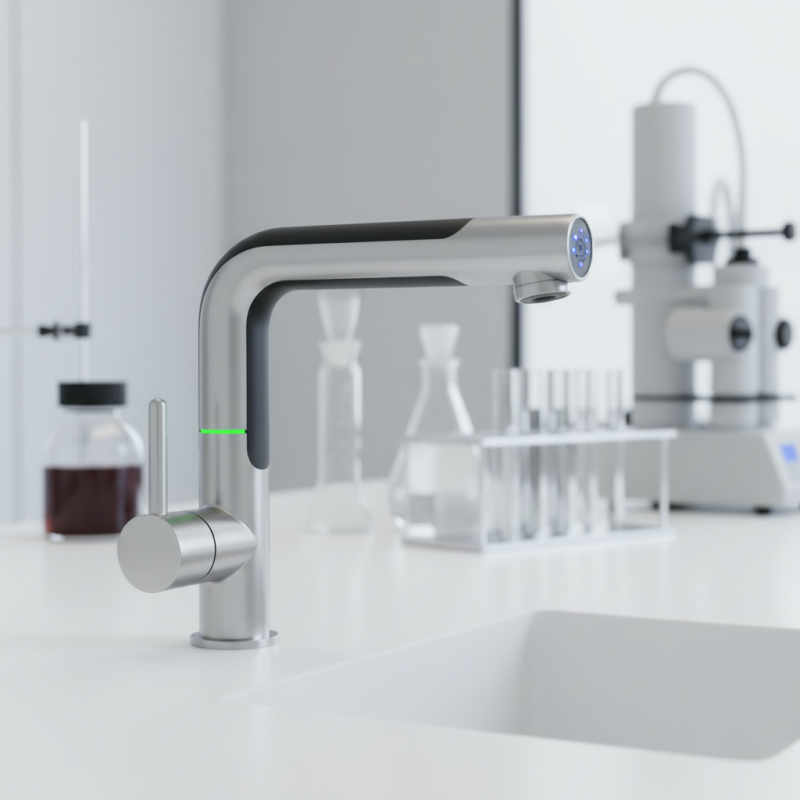
Laboratory faucets come in various designs. Some offer swivel features, while others have specialized nozzles. The materials used can also impact longevity. Stainless steel is a common choice due to its resistance to corrosion. However, these faucets require proper installation and maintenance, which can be overlooked.
While aesthetics may not seem important, a well-designed laboratory faucet can improve workflow. Yet, many labs stick to outdated models. This could lead to inefficiencies and safety hazards. A thoughtful review of options is essential for the future of lab environments. Emphasizing both utility and modern design will keep laboratory spaces safe and effective.
Top Laboratory Faucet Materials: Durability and Chemical Resistance
When selecting laboratory faucets, the choice of materials is critical. Laboratory environments encounter various chemical substances. Therefore, durability and resistance to corrosive agents are paramount.
Stainless steel, for instance, is commonly used due to its robustness. A recent industry report indicates that stainless steel faucets last up to 15 years under normal usage conditions.
However, they can corrode if exposed to harsh chemicals consistently.
Another option includes plastic faucets, which offer excellent chemical resistance. They are lighter and often more affordable. Yet, they may not endure high temperatures as well as metals.
While they can resist many acids, their lifespan in extreme conditions is often shorter. It’s notable that a significant portion of facilities experience premature faucet failures, leading to costly repairs.
Tips: Always assess the specific chemicals your lab uses. Understanding your environment can avert potential issues. Also, consider maintenance needs; some materials require more frequent upkeep than others.
Recognizing these elements can save time and expenses in the long run. It’s essential to weigh the pros and cons of each material type to ensure it fits your lab's unique requirements.
Understanding Flow Rates: Choosing the Right Faucet for Your Needs
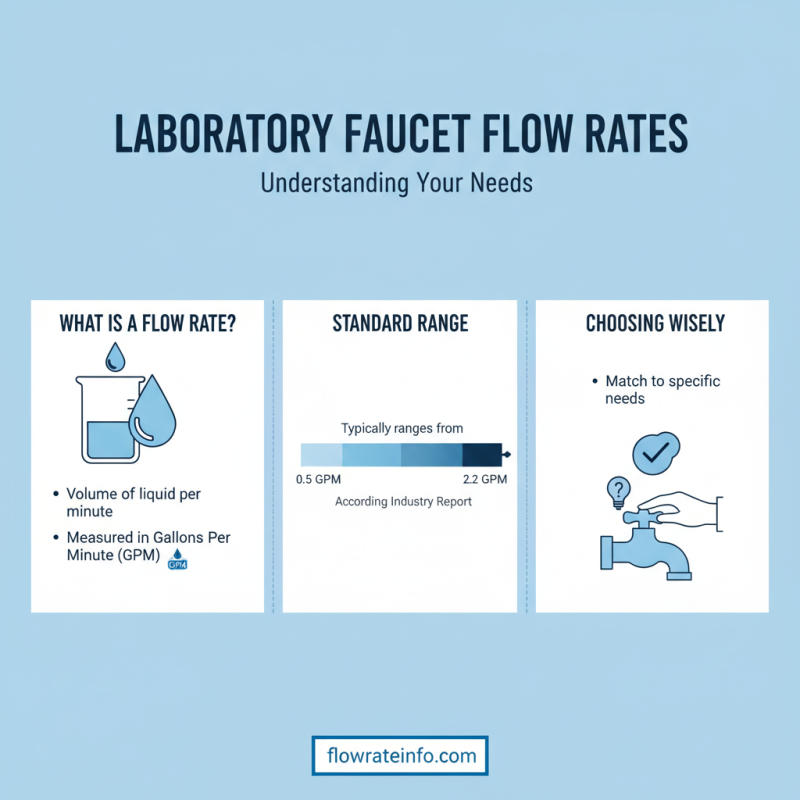
Choosing the right laboratory faucet involves understanding flow rates. Flow rates are defined as the volume of liquid passing through a faucet per minute, measured in gallons per minute (GPM). According to a recent industry report, the standard flow rate for laboratory faucets typically ranges from 0.5 GPM to 2.2 GPM. It’s crucial to select a rate that meets your specific needs.
High-flow faucets can quickly fill large containers. However, they may waste water if not managed properly. On the other hand, low-flow faucets conserve water but can hinder certain tasks. It’s essential to find a balance. A faucet with adjustable flow rates offers versatility. This way, users can tailor the flow for different applications.
When selecting a faucet, consider the tasks performed in your lab. Water-sensitive experiments may require precision. A precise flow rate helps maintain consistency. Additionally, be mindful of local water regulations. Some regions have stringent guidelines on water usage. Failing to comply can lead to issues. Thus, an informed approach to flow rate selection is vital for both efficiency and regulatory compliance.
Ergonomic Design Features in Laboratory Faucets: A User-Centric Approach
When selecting a laboratory faucet, ergonomic design plays a crucial role. A recent study indicated that around 65% of lab workers reported discomfort due to poorly designed faucets. To address this, features like high-arc spouts are gaining traction. These elements provide ample space for large containers. Adjustability and ease of use are vital for long hours of operation.
Users also favor lever handles that can be operated with an elbow or forearm. This design minimizes the need for direct hand contact, reducing the risk of cross-contamination. According to industry reports, 70% of experiments fail due to improper setup, emphasizing the importance of intuitive faucet designs.
Incorporating user feedback leads to practical designs. However, some faucets focus too heavily on aesthetics, leaving functionality behind. Striking a balance between visual appeal and ergonomic efficiency is essential. Observing lab users' interactions with faucets can reveal underlying flaws and opportunities for enhancement in design and usability.
Compliance and Safety Standards for Laboratory Faucets in 2026
When choosing laboratory faucets in 2026, compliance with safety standards is crucial. Proper faucets must meet specific regulations. These regulations ensure protection for lab personnel. A reliable faucet reduces risks associated with daily lab activities.
Consider the materials used in faucets. Stainless steel is often a preferred choice due to corrosion resistance. Inspect the faucet's design. Smooth lines and minimal crevices can enhance hygiene. Regular cleaning is essential.
Tips for choosing laboratory faucets: look for models with easy-to-use handles. This helps prevent accidental leaks. Pay attention to flow rate as well. High flow rates can enhance efficiency but may waste water. Look for eco-friendly options available on the market. They might help reduce water consumption effectively.
The Importance of Maintenance: Ensuring Longevity of Lab Faucets
Maintaining lab faucets is vital for their longevity. Regular upkeep prevents leaks and corrosion. Simple tasks like tightening loose fittings can make a significant difference. Inspecting hoses and valves regularly ensures efficient operation. Replace any worn components immediately to avoid bigger issues later.
Cleaning is also essential. Residue can build up over time, affecting performance. Use non-corrosive cleaners that won't damage fixtures. However, many overlook this. They forget that neglecting small details can lead to costly repairs. Creating a maintenance schedule can help.
Lastly, training staff on proper usage is crucial. Many users mishandle faucets, causing wear and tear. Promote gentle handling and awareness of signs of wear. Over time, simple actions can enhance the lifespan of lab faucets significantly. Reflecting on these practices ensures better functioning equipment in the long run.