Top 10 Laboratory Desk Options for Efficient Workspace Setup?
In the realm of laboratory settings, choosing the right laboratory desk is paramount. According to Dr. Emily Carter, a leading expert in laboratory design, "A well-organized laboratory desk can enhance productivity and safety." This insight underscores the importance of an efficient workspace.
Laboratory desks come in various shapes and sizes. They must accommodate equipment, materials, and personal space. A clutter-free desk not only expedites experiments but also fosters creativity. However, the challenge lies in selecting the most suitable options. Many scientists often settle for standard desks, overlooking ergonomics and functionality. They risk hindering their work efficiency.
Bring attention to the aesthetics as well. An appealing workspace can inspire innovation. Desks should reflect the activities conducted in the lab. Their design impacts a lab's overall ambiance. Nonetheless, the best desk for one person may not suit another. Each laboratory has unique needs that deserve individual consideration.
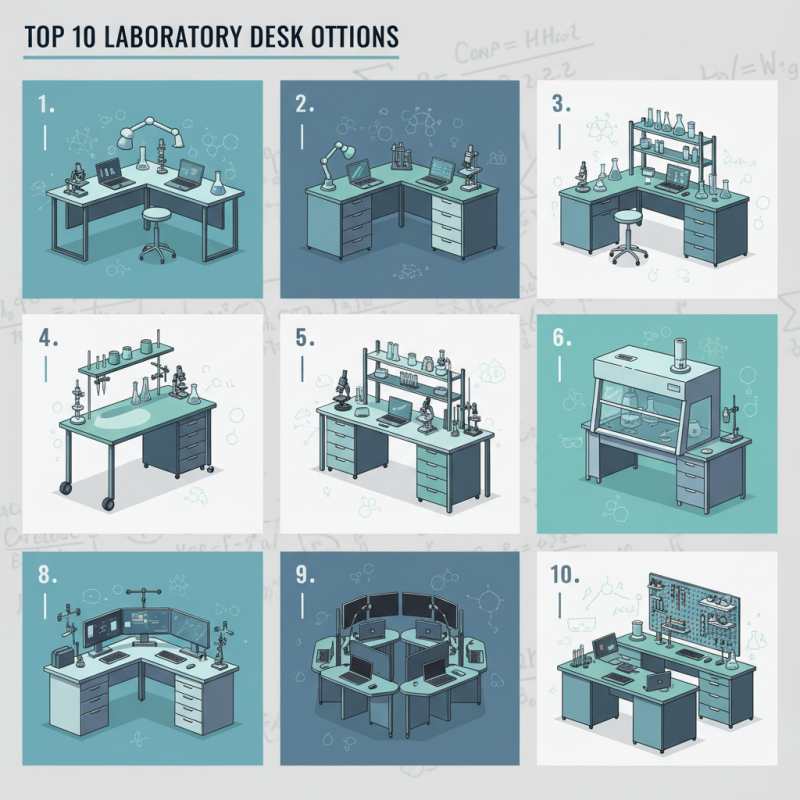
Top 10 Laboratory Desk Options for Efficient Workspace Setup
Creating an efficient laboratory workspace begins with the right desk. A functional desk can enhance productivity significantly. Consider desks that provide ample surface area for equipment and materials. Adjustable height options are ideal for accommodating various tasks and promoting comfort.
Storage is crucial in a lab setting. Some desks come with drawers or shelves to keep supplies organized. This reduces clutter and improves focus. However, not all desks have sufficient storage, so think about your specific needs. A desk with limited space can lead to frustration, especially during busy experiments.
Ergonomics should also be a priority. A well-designed desk can minimize strain during long hours of work. Features like cable management systems can help maintain a clean workspace. Yet, some desks may lack these considerations. Reflect on what features matter most for your work style. Balancing functionality and comfort is key to creating an efficient laboratory setup.
Importance of Ergonomics in Laboratory Desk Design for Efficiency
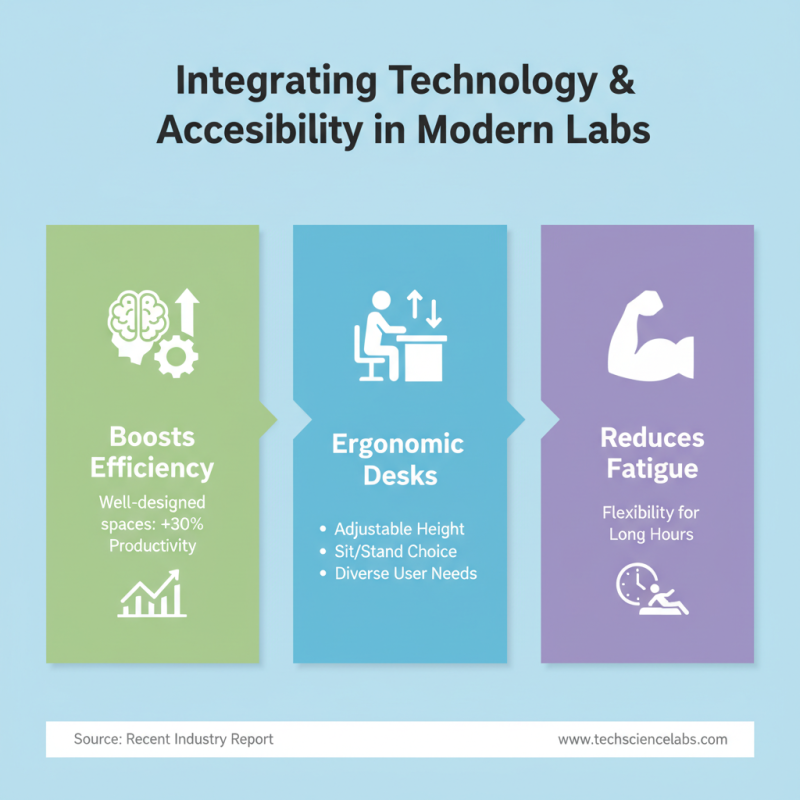
Ergonomics plays a vital role in laboratory desk design. A well-designed workspace can significantly enhance productivity. Studies show that ergonomic setups can improve efficiency by up to 30%. An ideal desk encourages proper posture and reduces physical strain. This directly impacts workers' comfort and output levels.
In a laboratory, tasks often require long hours of standing or sitting. The right desk height can minimize back pain and fatigue. A desk that allows for adjustability can also accommodate various tasks. For instance, a desk that transitions from sitting to standing can keep energy levels high. Data indicates that 56% of workers report less discomfort when using adjustable desks.
Attention to detail in desk design cannot be overlooked. The placement of tools and equipment is crucial. Workers need easy access to materials to avoid interruptions. Cluttered spaces can lead to errors. A strategic layout also fosters collaboration, enhancing the overall workflow. Yet, many labs fail to prioritize these elements. This oversight can lead to increased error rates and lower morale among staff.
Top 10 Laboratory Desk Options for Efficient Workspace Setup
| Desk Model |
Dimensions (L x W x H) |
Weight Capacity |
Material |
Features |
| Standard Lab Desk |
60" x 30" x 36" |
300 lbs |
Laminate |
Chemical resistant surface |
| Height Adjustable Desk |
48" x 24" x 28-45" |
200 lbs |
Metal frame with wood top |
Electric height adjustment |
| Mobile Lab Bench |
72" x 30" x 36" |
250 lbs |
Steel frame |
Lockable wheels |
| Compact Lab Desk |
48" x 24" x 30" |
150 lbs |
Plastic |
Lightweight and portable |
| Round Lab Table |
48" Diameter x 30" |
180 lbs |
Wood |
Collaborative workspace |
| Ergonomic Lab Desk |
60" x 30" x 30-36" |
300 lbs |
Bamboo |
Curved edges for comfort |
| Lab Workstation |
72" x 30" x 36" |
400 lbs |
Metal and Glass |
Integrated storage |
| Fume Hood Table |
60" x 30" x 34" |
350 lbs |
Steel |
Ventilated surface |
| Foldable Lab Desk |
60" x 30" x 30" |
200 lbs |
Plastic |
Easy storage |
| Wet Lab Table |
72" x 36" x 36" |
350 lbs |
Stainless Steel |
Water-resistant |
Evaluating Material Durability and Chemical Resistance in Lab Desks
When selecting laboratory desks, material durability is crucial. Laboratory environments often expose furniture to harsh chemicals and rigorous usage. It's vital to examine how different materials react to spills and wear over time. For example, wood surfaces can warp or absorb liquids, leading to long-term damage. In contrast, materials like epoxy resin provide superior chemical resistance. They withstand aggressive cleaning agents and are less prone to staining.
Chemical resistance extends beyond just the surface. Look for desks with edges and joints that are also resistant to damage. Some areas are prone to wear and tear due to frequent cleaning. A desk that looks sturdy may not withstand the daily rigors of a busy lab. Consider the finish and coatings; they can significantly impact durability. Lab technicians should invest time assessing these features before making a decision.
It’s also important to reflect on design. A functional desk must balance durability with comfort and usability. A poorly designed desk can lead to poor ergonomics. This can create discomfort during long hours of use. Take time to think about how the desk fits into your workflow. Perhaps it’s time to prioritize not just durability, but practicality as well. Each choice should cater to the specific needs of your laboratory tasks.