Top Lab Furniture Options for Your Scientific Workspace?
In today’s scientific environment, choosing the right lab furniture is essential. The right setup can enhance productivity and ensure safety. Lab furniture includes benches, storage units, and specialized equipment that supports various experiments.
High-quality lab furniture provides durability and functionality. Adjustable workstations can accommodate different tasks, while ample storage helps organize tools and materials. However, many labs overlook the importance of ergonomics. Comfortable seating and proper workspace height can prevent strain and improve focus.
Selecting lab furniture is more than just aesthetics. It requires careful consideration of space, workflows, and user needs. Balancing budget constraints with quality is often challenging. Some labs may compromise on durability for cost, but that can lead to future expenses. Thoughtfully chosen lab furniture can make all the difference in scientific research and innovation.

Essential Features of Lab Furniture for Scientific Workspaces
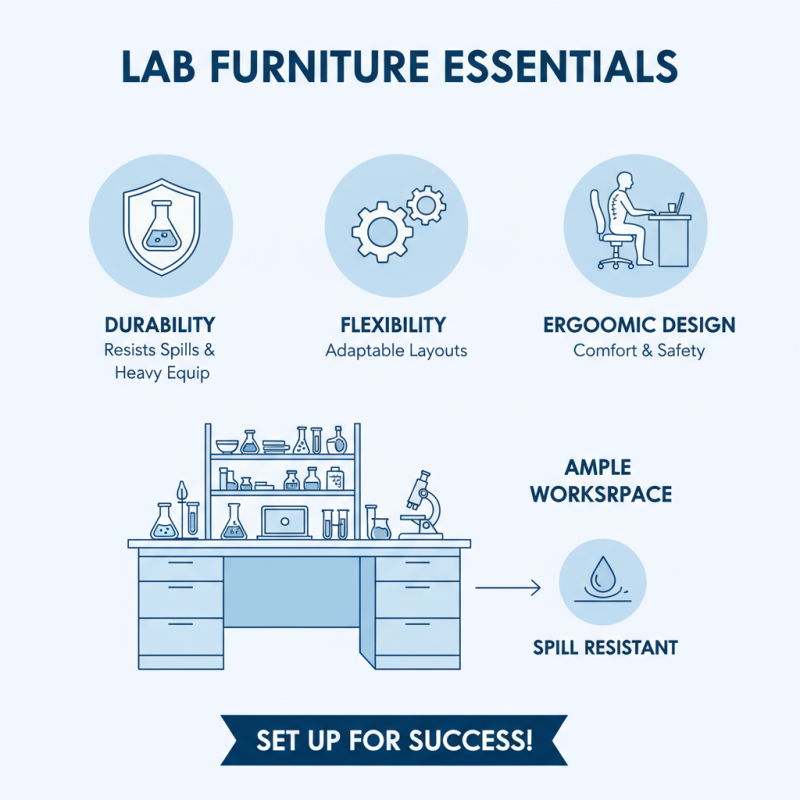
When setting up a scientific workspace, the right lab furniture is crucial. Essential features include durability, flexibility, and ergonomic design. Good lab tables should withstand heavy equipment and spills. They must offer ample workspace for experiments without compromising safety.
Consider adjustable height workstations. They allow users to switch between sitting and standing. This reduces strain during long hours of research. Also, having sufficient storage space is vital. Cabinets and drawers help keep the workspace organized and free from clutter.
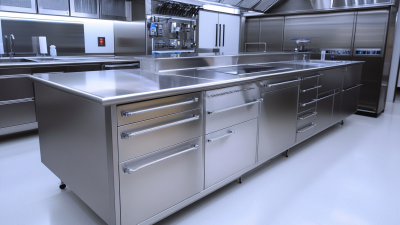
Tip: Prioritize cleanable surfaces. Materials like stainless steel or epoxy resin are ideal. They resist stains and chemicals, ensuring longevity.
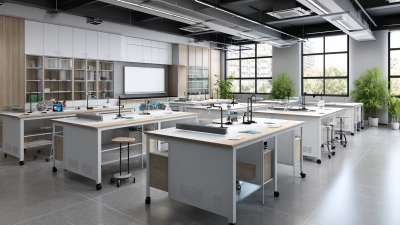
Assess your space carefully. It can be tempting to fill every corner. However, allow for movement and collaboration. A cramped area can hinder team dynamics and creativity. Flexibility in furniture design can adapt to changing needs. This means you may need to invest time in evaluating what truly works.
Types of Lab Benches and Their Uses in Various Research Settings
When setting up a scientific workspace, the type of lab bench you choose is crucial. Different research settings require specific features. For instance, a fume hood bench is essential in chemistry labs. It helps to ventilate dangerous fumes, ensuring safety. Research shows that 70% of lab accidents occur due to poor ventilation. This highlights the significance of selecting the right lab furniture.
Another common type is the adjustable-height bench, ideal for versatile projects. These benches adapt to user needs, promoting comfort and efficiency. Studies indicate that ergonomic setups can increase productivity by up to 20%. Many laboratories overlook this aspect, which can lead to fatigue and lower output. Creating a well-fitted space should be a priority.
Specialty benches exist as well. Clean rooms often utilize contamination-free surfaces. The materials used must be non-porous for maximum cleanliness. Yet, maintaining these surfaces can be challenging, requiring regular upkeep. Many teams struggle with this aspect, which often leads to inadequate cleanliness. Lab furniture choices can significantly impact the success of research outcomes.
Choosing the Right Storage Solutions for Laboratory Equipment
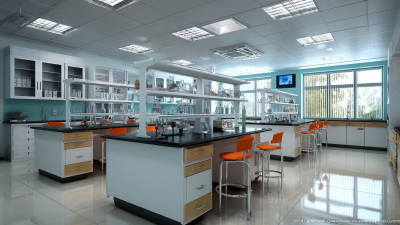
Choosing the right storage solutions for laboratory equipment is crucial. Storage can affect workflow efficiency. Various options exist, including shelving units, cabinets, and mobile carts. Each has its benefits and limitations. Shelving units offer easy access but may not provide secure storage. Cabinets are great for safety, yet they can limit visibility.
Consider your workspace dimensions. If space is tight, mobile carts are advantageous. However, they may lack stability. Evaluate the types of equipment to store. Larger instruments require different solutions than smaller reagents. Over time, decluttering is necessary. Gear that goes unused for extended periods can consume valuable space. Regular audits of storage can reveal under-utilized areas.
Personalizing storage is essential too. Labeling helps in quick identification but may confuse if not done consistently. Color coding can enhance organization but may become unwieldy over time. Each lab is unique, and solutions should reflect that individuality. Testing different setups may lead to new insights and improvements. Storage should evolve with your research needs.
Ergonomics in Lab Furniture: Importance for Scientist Well-being
Creating an ergonomic workspace in a lab is essential for scientists' well-being. When scientists are comfortable, they are more productive. Proper lab furniture can reduce strain, prevent injuries, and enhance focus. A well-designed lab bench should be adjustable. This allows users to work at a height that suits them. Chairs should support posture, especially during long hours.
Tips: Ensure that your chair has good lumbar support. It's vital to maintain the natural curve of your spine. Adjust the height to keep your feet flat on the ground. Consider using anti-fatigue mats for those who stand frequently. They can relieve pressure on your feet and legs, making long periods of standing less daunting.
Don't forget about organization. Lab furniture with built-in storage can minimize clutter. Distracting environments can hinder productivity. Regularly reassess your workspace layout. If something doesn’t feel right, it might need a change. Look for signs of discomfort, like back pain or fatigue. These indicate that adjustments may be necessary. Listen to your body; it often knows best.
Sustainability Considerations for Selecting Lab Furniture Materials
When selecting lab furniture, sustainability is key. Materials affect not only the environment but also the health of users. A report from the American Chemical Society indicates that up to 30% of lab furniture components can be recycled or reused, significantly reducing waste. Choosing sustainable materials can help mitigate the negative impacts on our planet.
Many laboratories overlook the importance of locally sourced materials. Utilizing resources close to your workspace reduces transportation emissions. Furthermore, opting for furniture made from bamboo or recycled metal can significantly lower your carbon footprint. Research suggests that buildings designed with sustainable materials can reduce overall energy consumption by up to 25%.
Tips: Always check certifications for materials. Look for Furniture that meets sustainability standards. Consider the lifecycle of each piece; durability can mean less waste over time. Investing in thoughtful design and materials may enhance long-term productivity.
Top Lab Furniture Options and Their Sustainability Ratings